
With temperatures 3.8°C above the 1991-2020 average, November 2025 ranks as Cyprus’s second warmest on record, confirming projections by the Cyprus Institute.
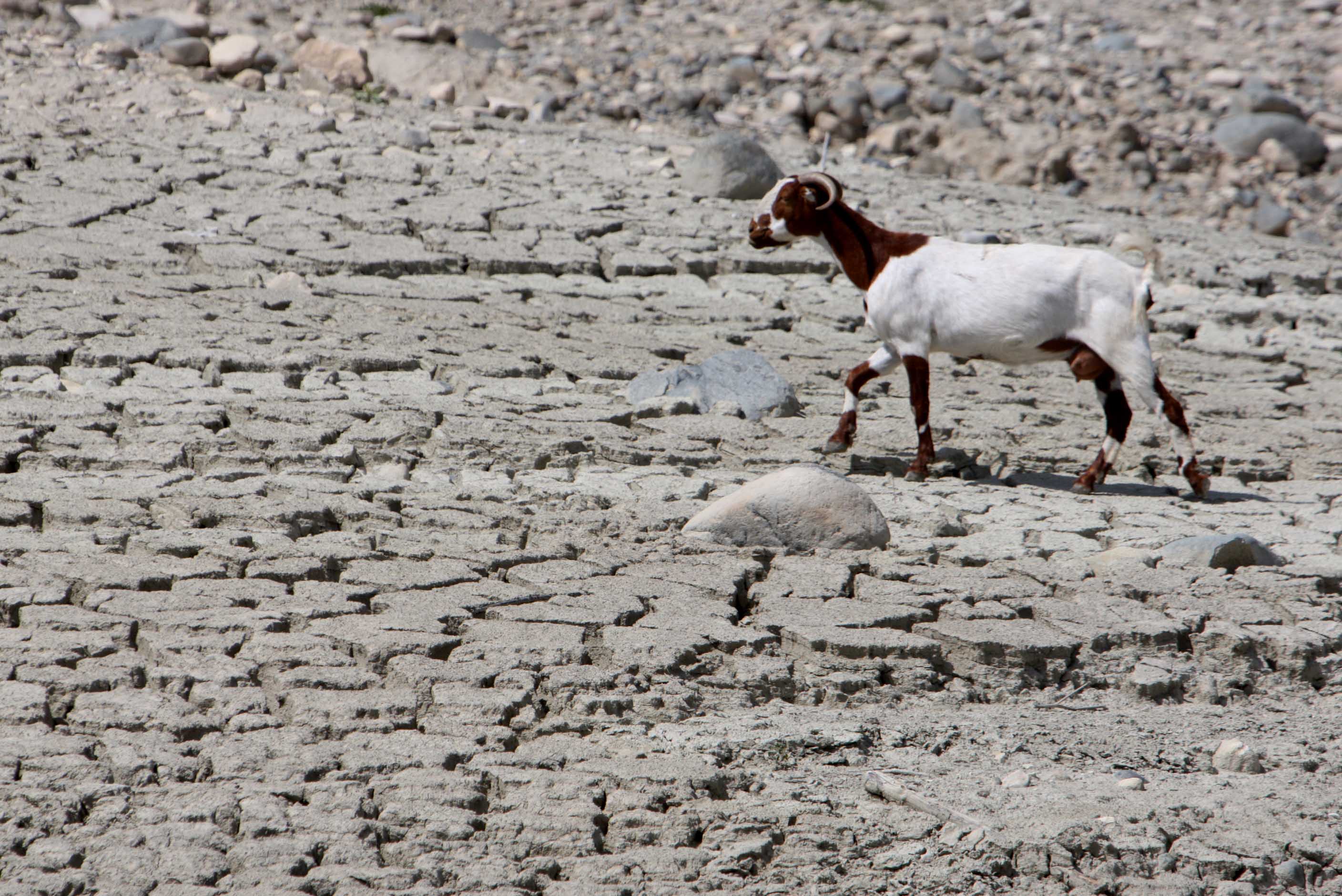
Alongside rising temperatures, drought persists, with dam inflows in November at just 18 per cent of the 2015-2025 average, part of a three-year decline, according to water development department data.
Since 2023, Cyprus has seen some of the lowest yearly water inflows in the past decade, with large year-to-year swings complicating water management.
Between November and January 2025-26, temperatures are expected to stay above normal while rainfall will be 50-75 per cent below average, with drought hitting the southeastern and interior regions hardest, according to the meteorology department’s seasonal forecast.
These trends align with the Cyprus Institute’s CARE-C study, which found temperatures rising 0.4-0.6°C per decade (1981-2018) and autumn rainfall decreasing by up to 10 mm per decade.
Looking ahead, under high-emission scenarios, Cyprus could warm by over 4°C annually and see a 20-30 per cent drop in rainfall by century’s end.
The institute warns that “November 2025 is not an isolated event – it’s part of the broader climate change pattern already affecting Cyprus.
It stresses that rising temperatures and shrinking water resources demand urgent action to adapt and protect the island’s water, agriculture, and energy sectors.





Click here to change your cookie preferences