
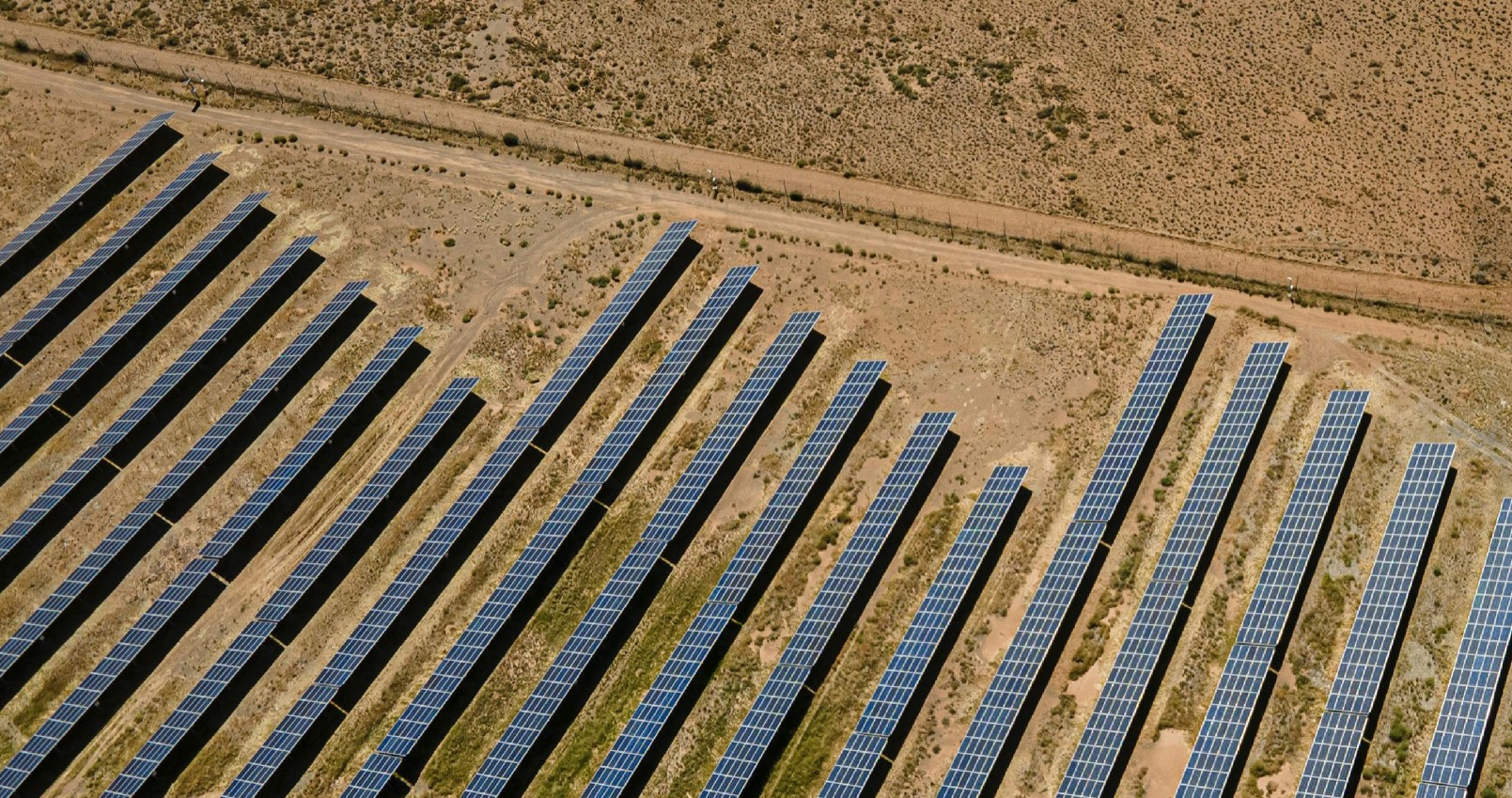
Eurostat reported that renewable energy accounted for 49.3 per cent of net electricity generated across the EU in the third quarter of 2025, a development that highlights wide disparities among member states and places Cyprus among the lowest performers despite month-to-month variations.
The EU-wide figure marked an annual increase of 3.8 percentage points compared with the 47.5 per cent recorded in the same quarter of 2024, showing steady progress in the bloc’s energy transition.
Cyprus continued to lag behind most member states, finishing fifth from last in the share of renewables in electricity production during the third quarter of 2025.
Only France, Slovakia, Czechia and Malta recorded lower proportions, with Malta again at the very bottom.
Eurostat said “renewables accounted for 49.3 per cent of EU electricity generation in the third quarter of 2025”, describing the period as one marked by higher solar and wind output.
Cyprus data showed considerable monthly fluctuation during the summer, with renewable electricity generation measured at 544.89 GWh in September 2025, compared with 640.49 GWh in August, 655.94 GWh in July and 512.39 GWh in June.
Across the EU, Denmark posted the highest share of renewables in net electricity generated during the quarter at 95.9 per cent, followed by Austria at 93.3 per cent and Estonia at 85.6 per cent.
The lowest shares were found in Malta at 16.6 per cent, Czechia at 19.7 per cent and Slovakia at 21.1 per cent.
A total of 21 EU countries recorded annual increases in the share of renewable energy sources in net electricity generation.
The largest gains were in Estonia with an increase of 20.6 percentage points, Latvia with 18.9 points and Austria with 16.3 points.
Eurostat added that most renewable electricity in the EU came from solar energy at 38.3 per cent, followed by wind at 30.7 per cent and hydro at 23.3 per cent.
Combustible renewable fuels accounted for 7.2 per cent and geothermal energy for 0.5 per cent.



Click here to change your cookie preferences