
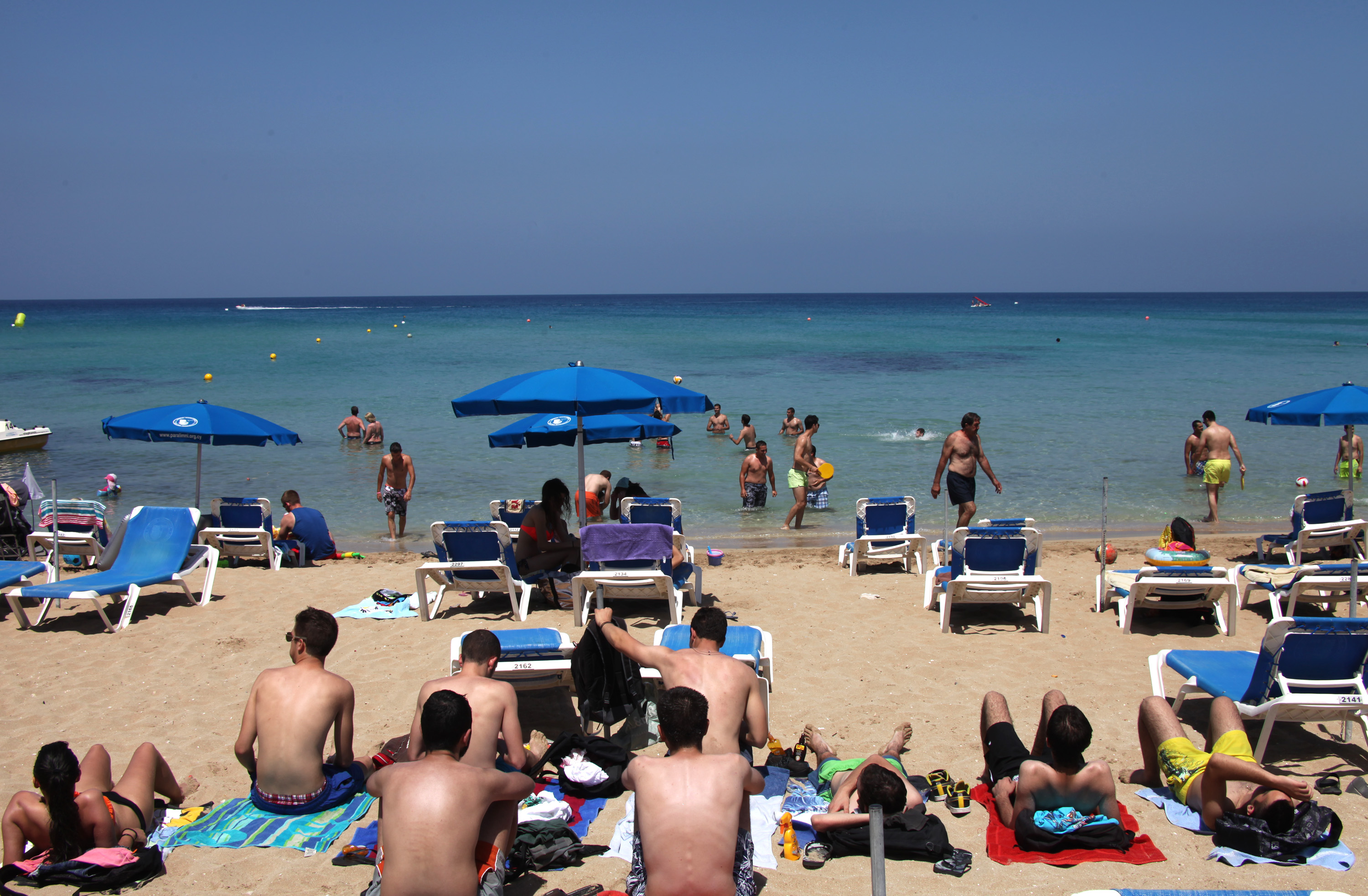
The Mediterranean remains one of the most desirable destinations for travellers seeking long summers, warm seas and dependable weather, yet the region’s climate has been moving in a direction that many holidaymakers have not fully caught up with. Temperatures climb earlier in the season, peak higher than in previous decades and stay elevated long after sunset. UV radiation has become more intense and more persistent, creating conditions that no longer resemble what tourists remember from holidays ten or fifteen years ago. The shift is subtle enough to feel familiar, yet significant enough to create real risks for anyone who arrives unprepared.
What makes this particularly important is that most visitors approach Mediterranean sunshine with a sense of assumed safety. The environment feels calm and predictable; heat builds gradually, the sea breeze softens the air and the sky is almost always clear. That illusion of stability is one of the main reasons why dehydration, sunburn and heat-related illnesses continue to affect travellers across the region every year. Incidents rarely look dramatic in the beginning, often they start with mild fatigue or a moment of dizziness, but they escalate quickly in a climate where UV and heat amplify each other hour after hour.
Understanding the current Mediterranean conditions is not about caution for the sake of caution; it is about recognising how the body responds when placed in an environment more intense than most northern climates. With sensible preparation, thoughtful pacing and a basic awareness of how sun and heat interact, the region remains one of the safest and most enjoyable holiday environments. The key is entering it with clarity rather than assumption.
The Mediterranean climate has changed, and tourists still underestimate it
The Mediterranean has always been associated with reliable sunshine, long afternoons and a sense of effortless summer comfort, but the climate has shifted in ways many visitors still fail to recognise. Heatwaves across Southern Europe in 2024 and 2025 broke multiple national records, with Cyprus registering extended periods of temperatures above 30°C in April and UV Index values consistently in the “very high” and “extreme” range. Local health authorities reported an increase in heat-related hospital admissions, particularly among tourists who were not accustomed to the region’s intensified conditions. What looks like the same holiday sun that people enjoyed a decade ago behaves very differently today.
The challenge is not just heat itself but the speed at which it accumulates in the body. High humidity and low wind amplify the heat stress effect, creating conditions where the human thermoregulation system becomes overwhelmed much faster than most visitors expect. Many travellers underestimate this because they rely on experience from their home climate: a warm day in Warsaw or Manchester simply does not prepare the body for the combination of intense UV radiation and heat load that builds throughout a Mediterranean afternoon. The gap between perception and reality is where most medical incidents begin.
Even experienced travellers often misjudge early warning signs. Mild dizziness, a sudden drop in appetite or a feeling of “heavy legs” are dismissed as simple tiredness, when in fact they can indicate the first stage of heat stress. Understanding that the Mediterranean climate in late 2025 and entering 2026 is no longer predictable or mild is the foundation of safe travel. Preparation is no longer optional; it is part of the region’s new normal.
Understanding UV exposure: What makes the Mediterranean sun different
The Mediterranean sun carries a different profile of risk than the northern climates most tourists come from. The distinction begins with UVA and UVB radiation. UVA penetrates deeper into the skin and accelerates long-term ageing, while UVB is responsible for sunburn and short-term damage. Both types are significantly stronger in Southern Europe, where the sun’s angle and atmospheric clarity allow more radiation to reach the surface. For visitors from countries such as Poland, the UK or Sweden, where UV levels are markedly lower for most of the year, the sudden jump in exposure can overwhelm the skin’s natural tolerance within minutes.
One of the most misunderstood elements is the UV Index. A UV Index of 10 on Cyprus is not equivalent to a UV Index of 5 in Central Europe scaled up by a factor of two. The Mediterranean sun at peak hours carries a sharper, more direct intensity due to latitude, atmospheric composition and reflective surfaces such as sea water and pale stone architecture. This creates a cumulative effect that increases the risk of burns, dehydration and inflammation even when temperatures themselves are not extreme. Tourists often feel comfortable during a warm breeze and wrongly assume the sun is mild; the UV exposure tells a very different story.
Heat index adds another layer of complexity. It measures how hot the body feels when humidity is factored in, and in Mediterranean summers the heat index regularly exceeds the actual temperature by several degrees. This accelerates fluid loss and amplifies the damaging impact of UV radiation by stressing the body’s cooling mechanisms. The combination of high UV, high heat index and prolonged exposure is what makes the region particularly challenging for travellers from northern latitudes. Recognising these differences is the first step to preventing the most common holiday health problems.
Hydration strategy 2026: Water alone is not enough
Hydration in Mediterranean conditions is not simply a matter of drinking more water. High temperatures and elevated humidity accelerate fluid loss through sweat, but what the body loses is not water alone. Every hour spent in the sun drains sodium, potassium and magnesium, minerals essential for muscle function, nerve conduction and maintaining normal blood pressure. Without replacing them alongside fluid intake, the body struggles to regulate temperature, and symptoms of fatigue or dizziness appear even when a person believes they are “drinking enough”.
This is particularly relevant for tourists arriving from northern Europe, where the climate is milder and the baseline electrolyte balance is shaped by lower heat exposure. The sudden jump into 32–40°C conditions forces the body into a higher operating mode, increasing sweat rate before the visitor even feels overheated. Families with children and older travellers are especially vulnerable because their natural hydration signals are weaker, and they often underestimate how quickly mineral depletion affects energy and mood. A child who becomes unusually quiet or irritable in the afternoon sun may simply be running low on electrolytes, not misbehaving or “tired from walking”.
The distinction between dehydration and overhydration is another point frequently overlooked. Drinking excessive amounts of plain water without sodium replacement can dilute the body’s electrolyte concentration, leading to headaches, nausea and a sense of disorientation that mimics heat exhaustion. A practical rule of thumb is to combine water with light electrolyte intake during the hottest hours of the day, pace drinking steadily rather than in large bursts and avoid relying solely on thirst as a guide. Small sips throughout the day, a modest amount of added sodium in meals and an electrolyte drink during prolonged outdoor activity create a stable hydration profile that works with the climate, not against it.
Heat-related illnesses: From early warning signs to emergency red flags
Heat-related conditions develop in a predictable sequence, and recognising the pattern early is one of the simplest ways to prevent a medical emergency. The Mediterranean sun, combined with high UV levels and a rising heat index, places stress on the body that escalates faster than many travellers expect. Understanding the progression, from mild cramps to full heatstroke, gives tourists a practical mental checklist that can be applied anywhere, from beaches to hiking trails.
Heat cramps
Heat cramps are often the first sign that the body is losing more electrolytes than it can replace. They appear as sudden, sharp muscle contractions, typically in the calves, thighs or abdomen, after prolonged exposure to heat or physical activity. Many travelers dismiss them as simple soreness, but they signal that sodium and fluid levels have dropped to the point where muscle cells cannot function normally. The appropriate response is to rest in the shade, hydrate slowly and take in a source of sodium, whether through food or an electrolyte drink. Continuing activity without correcting this imbalance increases the risk of heat exhaustion.
Heat exhaustion
Heat exhaustion develops when the body can no longer cool itself efficiently. Symptoms include dizziness, weakness, nausea, rapid heartbeat and heavy sweating. Some people experience sudden irritability or a feeling of “mental fog”, which is often misinterpreted as fatigue rather than a heat-related issue. The priority is immediate cooling: moving to a shaded or air-conditioned space, loosening clothing, applying cool compresses and drinking fluids with electrolytes in small, regular amounts. What should be avoided is lying flat in direct heat, drinking alcohol or attempting to “push through it”, as these reactions put additional strain on the cardiovascular system.
Heatstroke
Heatstroke is a medical emergency and can develop quickly if early symptoms are ignored. Body temperature rises to a dangerous level, sweating may stop, and the skin can feel unusually hot or dry. Confusion, loss of coordination or fainting are common indicators that thermoregulation has failed. In this situation, immediate action is critical. Emergency services on Cyprus can be reached by dialling 112. While waiting for assistance, the person should be cooled aggressively by removing excess clothing, applying cold packs to the neck and armpits, and moving them to a shaded or cooled environment. Heatstroke does not resolve on its own; it requires prompt medical intervention.
To summarise
Understanding the progression from mild cramps to full heatstroke is not about inducing worry; it is about giving travelers a clear mental map that helps them act early rather than react late. Most heat-related incidents on Cyprus follow the same predictable pattern, and in nearly every case, the danger escalates only when the early signals are ignored or misinterpreted. Recognising symptoms, pacing activity during peak hours, and responding promptly when something feels “off” create a level of safety that makes the Mediterranean climate far more manageable. With the right awareness, even the hottest days become comfortable rather than dangerous, and holidays remain exactly what they were meant to be, restorative, enjoyable and free of avoidable health problems.
Sun allergy and photodermatosis: The hidden risk most tourists don’t expect
Sun allergy, medically known as photodermatosis, is one of the most common yet least anticipated reactions among visitors to the Mediterranean. Many travellers mistake it for sunburn because both conditions appear after UV exposure, but the mechanisms differ. Sunburn is a direct thermal injury caused by excessive radiation, while photodermatosis is an immune reaction that can develop even after brief time outdoors. The first signs often show up on the second or third day of the trip, usually just when holidaymakers begin to feel settled and relaxed.
British tourists, who form the largest visitor group on Cyprus, report these reactions frequently. The NHS notes that photodermatosis is particularly common among individuals with fair or sensitive skin, especially during the first days of exposure to stronger sunlight after months spent in a mild northern climate. Typical symptoms include raised red bumps, widespread itching, small patches of inflamed skin or a rash that becomes more visible hours after exposure rather than immediately because the Mediterranean sun is more intense than what travellers from the UK experience at home. These symptoms often come as a surprise.
German visitors receive similar guidance from national health authorities such as the Bundeszentrale für gesundheitliche Aufklärung. Their recommendations emphasise that certain skincare products, fragrances and even medications can interact with sunlight, increasing the risk of photodermatosis. This helps explain why some tourists experience symptoms despite using sunscreen correctly or staying in the shade during peak hours.
Visitors from Israel approach Mediterranean sunlight with a different baseline. They are accustomed to strong heat and high UV levels at home, yet many still underestimate how the combination of humidity and reflective coastal environments on Cyprus can intensify skin reactions. Even individuals who rarely experience issues in Tel Aviv or Haifa may notice unexpected irritation during early-season holidays, when their skin has had less exposure after the winter months. Israeli health authorities emphasise pacing sun exposure during the first days of travel and adapting skincare routines to account for stronger coastal reflection. For these travellers, photodermatosis is less about sensitivity and more about sudden changes in environmental conditions, which can catch even experienced sun-seekers off guard.
For Polish travellers, who make up one of the fastest-growing tourist groups on Cyprus, accessing reliable information in their native language is not always straightforward. A medically verified guide authored by dr n. med. Agnieszka Sut, published by Olmed, offers one of the most straightforward explanations of sun allergy: how it develops, what the symptoms look like and when to seek help. It provides practical clarity for holidaymakers who arrive from long, grey winters into intense Mediterranean light and may not immediately recognise the difference between harmless irritation and a reaction that requires attention.
French visitors form a diverse group in terms of sun tolerance, largely depending on whether they come from the cooler northern regions or the warmer southern coast. Travellers from Normandy, Brittany or the Paris region often arrive with skin that has had limited UV exposure for much of the year, placing them closer to northern Europeans in terms of risk. Those from Provence or Occitanie typically handle strong sunlight better, yet even they may experience irritation when combining Mediterranean UV with new skincare products or fragrances. French public health institutions such as Assurance Maladie advise gradual acclimatisation and attention to early symptoms, especially during the first hours of exposure. Recognising this variation makes photodermatosis a relevant topic for French tourists regardless of where in the country they originate.
Travellers from Scandinavia and the Netherlands represent some of the most UV-sensitive groups visiting Cyprus. Long winters, limited daylight and lower baseline UV levels mean that skin tolerance is naturally reduced at the start of the holiday season. Danish, Swedish, Norwegian and Dutch visitors often experience the most abrupt transition when stepping into strong Mediterranean light after months of subdued sunlight at home. Their national health services encourage protective measures during the first days abroad and emphasise that even short exposure during peak hours can trigger photodermatosis. For these travellers, awareness and careful pacing are essential, as the combination of fair skin and sudden UV intensity increases the likelihood of developing rashes, itching or inflammation if not managed thoughtfully.
In most cases, the appropriate response is simple: reduce exposure, keep the skin cool and use a gentle, fragrance-free soothing product. However, worsening symptoms, extensive swelling or persistent discomfort should prompt consultation with a healthcare professional, particularly in children and older adults. Characteristic rashes caused by photodermatosis typically improve with the right approach, but early awareness makes the process far easier and prevents unnecessary stress during what should be an enjoyable trip.
Nutrition & Supplements That Support Sun Recovery and Heat Resilience
Recovering from intense sun exposure is not only a matter of skincare; the body’s internal balance plays an equally important role. Strong UV radiation increases the production of free radicals, which is why foods and nutrients rich in antioxidants can support the skin’s natural repair mechanisms. These include compounds such as beta-carotene, vitamin E and polyphenols, all of which help reduce oxidative stress after long hours in the sun. A diet that incorporates fruit, vegetables and healthy fats during a Mediterranean holiday does more than provide energy; it helps the body cope with environmental strain more efficiently.
Minerals also become increasingly relevant in a hot climate. Magnesium contributes to normal muscle function and may help reduce the likelihood of cramps during prolonged heat exposure, while potassium supports the body’s natural fluid balance. Omega-3 fatty acids, commonly found in fish and plant oils, play a role in moderating inflammation, which can become more noticeable when the skin is irritated by strong sunlight or saltwater. Although these nutrients are not direct treatments for sun-related issues, maintaining good nutritional balance gives the body the resources it needs to recover more comfortably.
Vitamin C is another element worth paying attention to, as it supports collagen formation, a process that becomes especially important when the skin is dealing with UV-related stress. Compounds such as lutein and astaxanthin, found in certain fruits, vegetables and marine sources, may also help protect the skin from oxidative damage by acting as internal filters against high-energy light. None of these nutrients replace sun protection or sensible planning during the hottest hours of the day, but they contribute to a more resilient physiological baseline, making it easier for travellers to enjoy the climate without unnecessary discomfort.
The Traveller’s Health Kit: What you should always have in Cyprus
Preparing a small, thoughtful health kit makes Mediterranean travel more comfortable and significantly reduces the likelihood of minor issues disrupting the holiday. The goal is not to carry an entire pharmacy but to include a few essentials that address the most common challenges: strong sun, persistent heat and the realities of spending long days outdoors. A compact kit, combined with basic awareness, allows travellers to handle small problems independently and avoid the stress of searching for supplies at inconvenient moments.
For skin & sun
The combination of UV exposure, saltwater and dry coastal winds can easily irritate the skin. A cooling after-sun gel, a gentle soothing cream and a basic antihistamine for unexpected reactions can make a significant difference, especially for those prone to irritation or mild allergies. These products do not replace sunscreen but help calm the skin in the evening and reduce discomfort after long hours outside. Keeping them in the accommodation rather than carrying them throughout the day is usually sufficient.
For heat & fatigue
Heat affects everyone differently, and a few simple items can help maintain comfort during peak hours. Electrolyte sachets or tablets support fluid balance, while a small amount of salt can help counteract mineral loss during extended activity. Lightweight, breathable clothing and a hat provide physical protection, and a refillable water bottle ensures consistent hydration throughout the day. None of these items are complicated, but together they create a foundation for staying comfortable in demanding temperatures.
For tourism realities
Daily travel brings its own set of small but predictable challenges. Adhesive plasters help with minor cuts or blisters, while insect-bite ointments are useful during evening walks or outdoor dining. A simple digestive aid can address the occasional discomfort that comes with adapting to new food or water. These items do not require much space but can prevent unnecessary interruptions to the holiday. Having them on hand means that most minor issues can be resolved quickly without disrupting plans or seeking help late in the day.
Safety protocols for tourists and expats
Planning a day around Mediterranean conditions is less about restriction and more about using the climate to your advantage. Mornings and late afternoons offer the most comfortable conditions for outdoor activity; the period between 12:00 and 15:30 carries the highest UV intensity and the fastest rate of heat accumulation. A walk that feels effortless at 10:00 can become draining by early afternoon, not because the temperature has changed dramatically but because the sun’s angle and the cumulative effect of exposure place greater stress on the body. Visitors who structure their plans around these natural rhythms enjoy the region far more comfortably.
Understanding how UV behaves throughout the day helps avoid the most common missteps. The sun is already strong by mid-morning, but its intensity accelerates sharply as it approaches its zenith. This means that sunbathing, hiking or long walks during early afternoon hours expose the skin to significantly more radiation than the same activities in the morning. Alcohol adds another layer of risk because it accelerates dehydration and reduces awareness of early warning signs. Many visitors feel perfectly fine until they stand up or walk into the shade, realising too late that their body has been working harder than they assumed.
Children and older adults are particularly sensitive to these shifts. Their thermoregulation is less efficient, and symptoms can escalate quickly if ignored. The first signs of trouble, dizziness, nausea, unusual fatigue, irritability or a sudden lack of appetite, should be treated as early warnings rather than inconveniences. Moving into a cooler space, hydrating steadily and resting for a short period often resolves the issue before it becomes serious. These simple adjustments allow tourists and expats to enjoy Cyprus fully while staying aligned with the climate’s realities.
Final advice for 2026: Respect the sun or pay the price
The Mediterranean remains one of the most rewarding regions to visit, but the climate demands a level of awareness that many travellers still underestimate. The sun itself is not the problem; the real issue is the gap between expectation and reality. Visitors often arrive with a sense of familiarity, assuming that past experience in milder climates prepares them for stronger UV and higher humidity. In practice, the body reacts differently when confronted with sustained heat and direct sunlight that feel gentle in the moment but accumulate in the background throughout the day.
Preparation removes the uncertainty. A basic understanding of how UV intensity shifts between morning and afternoon, the role hydration plays in regulating temperature, and the early signs of heat stress transforms the experience from reactive to controlled. Travellers who recognise these patterns quickly learn that the Mediterranean climate rewards those who adapt rather than those who rely on guesswork. The difference between a comfortable day and a difficult one often comes down to pacing, awareness and timely adjustments rather than dramatic decisions.
Simple habits create the strongest protection: drinking steadily rather than sporadically, carrying lightweight clothing that shields rather than burdens, keeping a small health kit in the accommodation, and taking breaks before fatigue becomes noticeable. None of these steps is complicated, yet together they form a framework that makes travel in 2026 both enjoyable and predictable. The sun is only a threat when ignored; when understood, it becomes an element of the landscape rather than a source of risk.
Comfort in the Mediterranean summer is simply preparation.





Click here to change your cookie preferences