
The beating heart of the region is largely abandoned by successive governments
By Andreas Chrysafis
Polis Chrysochous Hospital, built 1957 by the British, has been serving the region for nearly seven decades. Yet despite its critical role, it remains one of the most neglected public institutions on the island. Patients are frequently transported to Paphos hospital for treatment because the small hospital does not have the facilities or the beds to handle serious cases.
Originally constructed to support a rural community, the hospital now serves a population that has quadrupled and continues to expand. It operates in deteriorating buildings that reflect long-term institutional complacency or administration indifference.
Despite this, the hospital remains indispensable. This little gem serves thousands of people from far away places such as Kato Pyrgos, Pomos and nearby villages and also tourists visiting the wider area. It is simply the beating heart of a vast region. Yet, successive governments have largely abandoned it.
For years, locals have been reassured with political promises that the hospital would be modernised or replaced with a new building that reflects European standards of care. Even President Nikos Christodoulides promised in September year that a well-equipped modern hospital would be built to meet the region’s growing demands.
But, residents are still waiting and are not any wiser today than yesterday because transparency is non-existent in the echelons of power.
Earlier this month, honorary president of the Patients Association Marios Kouloumas said “the area does not need a new hospital”. His remarks enraged residents, including the mayor of Polis Chrysochous, who condemned it.
The hospital, without a doubt, can no longer function efficiently in its present state. Ambulance employees, doctors and nurses are stretched to their limits. They do not have the time – or the responsibility – to address the crumbling physical environment around them. And next year, their burden is set to increase with the opening of new hotels.
The surge of visitors each week – especially in the summer months – will overwhelm the small community and place immense pressure on infrastructure but especially the small Polis hospital already at breaking point. Still, no plan has been put forward to deal with the looming challenge.
Amid this broader failure lies a very personal story – one that reflects both the hardship and humanity found within Polis hospital’s walls.
Five years ago, my wife was diagnosed with pancreatic cancer. During the final months of her life, she spent many days and nights at Polis hospital, where the nurses and doctors soon became her “caring angels.” She felt safe and secure there and because of that, so did I.
Visiting the local hospital so many times, I soon recognised how dilapidated the buildings were. Why does no-one care? Why doesn’t the mayor take the initiative and fight for a new hospital? Have they all lost the sense of caring and pride?
Every day and night visiting my wife, I found myself comparing the small Polis hospital to the German Oncology Centre (GOC) in Limassol, where she received chemotherapy treatments.
There, the grounds were immaculate, the infrastructure efficient, manicured gardens, litter-free car parking spaces and well-maintained buildings. A young pianist even played and sung soft tunes in the cafeteria to relax anxious patients before going for treatment. Psychologically, the introduction of music therapy works wonders for most people; it certainly did for my wife and me after a two-hour drive there. The contrast between the two hospitals was incomparable.
Polis hospital became my wife’s security blanket and she often received emergency treatments there. On one occasion, I decided to walk her to the sunroom overlooking the hospital garden. But what we saw filled us with horror.
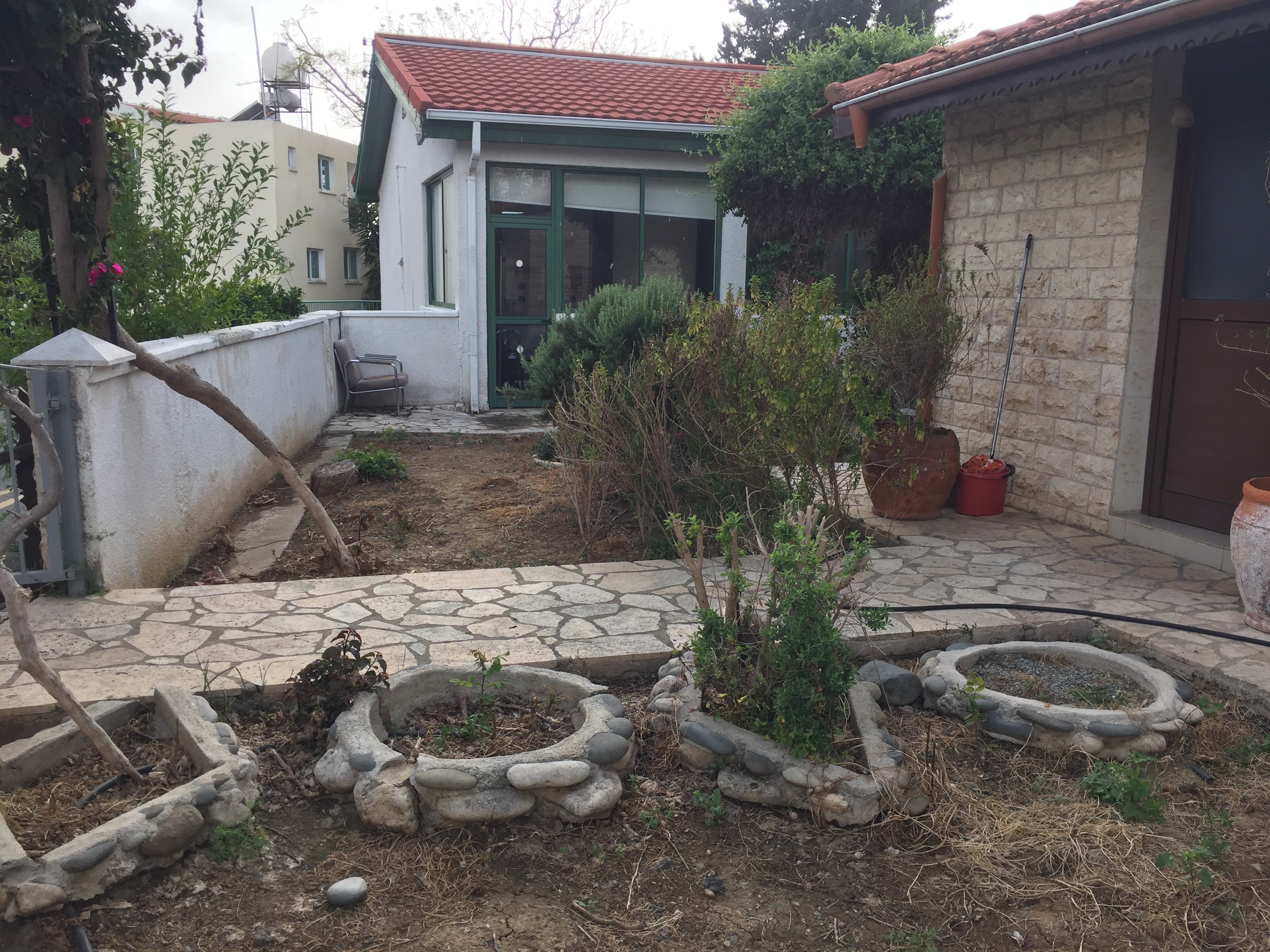
The garden was scorched, full of dry weeds and it seemed it had been uncared for for years. Discarded broken chairs, fallen gutters; crumbling pathways and smashed electrical posts on the ground made the place inaccessible. The small chapel was engulfed by wild vegetation and the “garden” was a monument to institutional neglect and indifference.
While looking at the appalling state of the garden, Eva softly muttered to me in her muffled voice, “look Andreas…look at that beautiful red flower, I think it’s a rose”, and got all excited. She pointed at the far end of the scorched garden and yes; there it was a single beautiful red rose engulfed by overgrown weeds.
Her face lit up with a beautiful smile I had not seen for a long time and all because of that one single red rose that refused to wither and die. It was a most invigorating display of rationale by a fading person that loved nature’s gift of life.
Two days later, we found ourselves standing in the sunroom again. This time I detected she was disturbed and searching for something. I looked around and all I could see was the lifeless yellow garden.
Eventually, my wife turned to me and in a hardly audible voice said to me, “look Andreas… that beautiful red rose has now died”, she muttered and seemed very upset.
Knowing that my own “beautiful rose” was fading, I held her hand and vowed a promise to “make sure beautiful red roses will always grow in abundance in that little garden of Polis Chrysochous Hospital so patients, doctors and nurses can admire colourful flowers full of life rather than looking at dead ones.”
Two days later Eva was gone but her “divine inspiration” lives on.
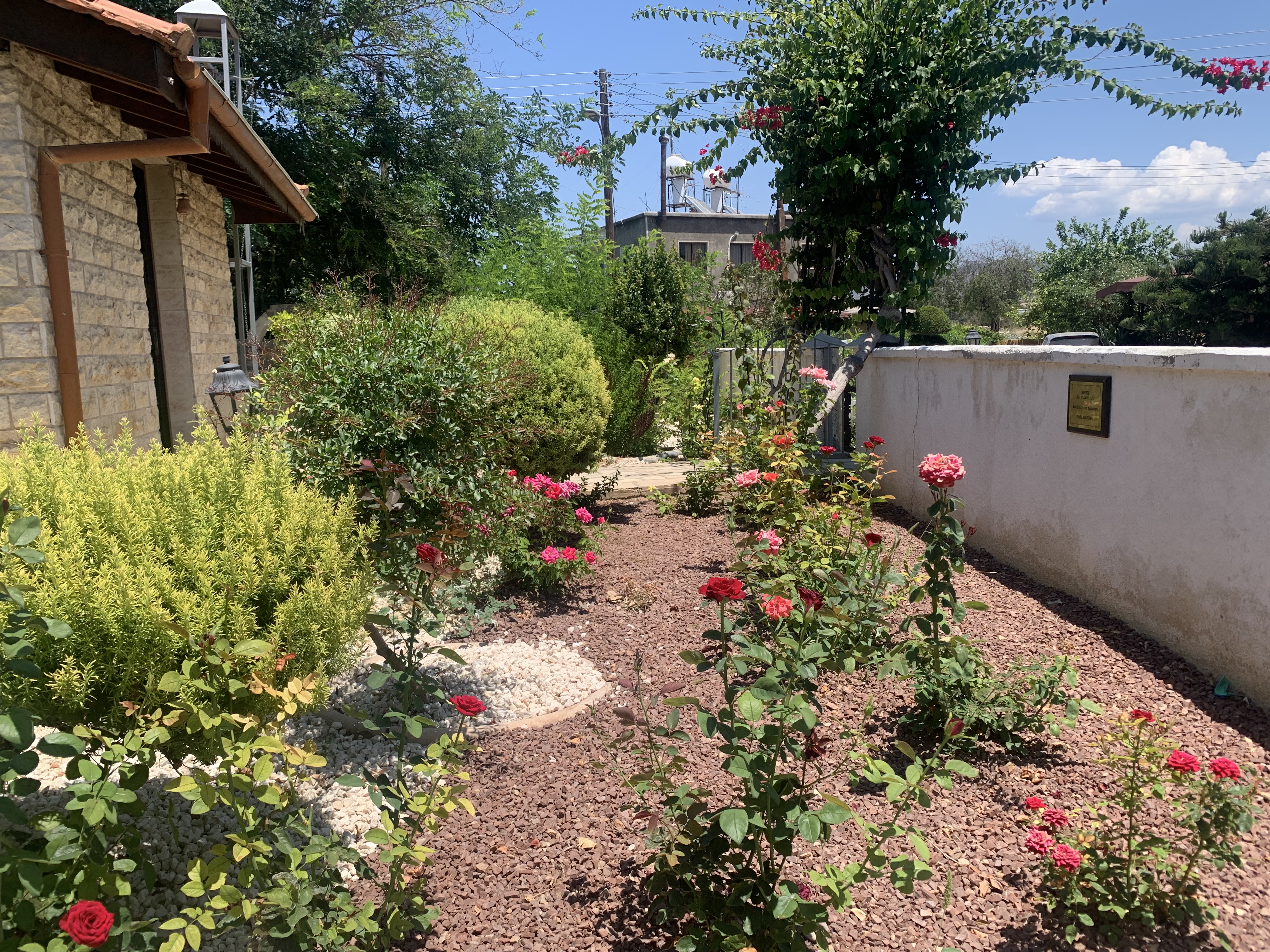
With the administration’s permission, I hired gardeners to clear and landscape the entire area and replant colourful roses. The blooming garden at Polis Chrysochous Hospital is now full of roses and well kept.
It welcomes patients, doctors, nurses and visitors alike, offering a peaceful space to breath, reflect or light a candle at the small chapel. It stands as a statement to what care – and commitment – can achieve.
Eva’s Rose Garden proves what can be done when even one person chooses action over complacency. But a garden is not enough. The region deserves what it has long been denied: a functional, modern hospital worthy of the lives it serves.
It is time for Polis municipality, the state health services organisation Okypy and the government to finally deliver the hospital and healthcare that the people of the region urgently deserve.
The full story of Eva’s Odyssey for Life is now available.on Amazon.com





Click here to change your cookie preferences