
Australia has suspended imports of dairy products from Cyprus after removing the country from its list of territories considered free from foot-and-mouth disease, citing reports of an outbreak in the north, local media have reported.
The decision, taken by the Australian department of agriculture, fisheries and forestry, was announced on December 19 and has immediate and retrospective effect from November 8, affecting dozens of exporters and importers.
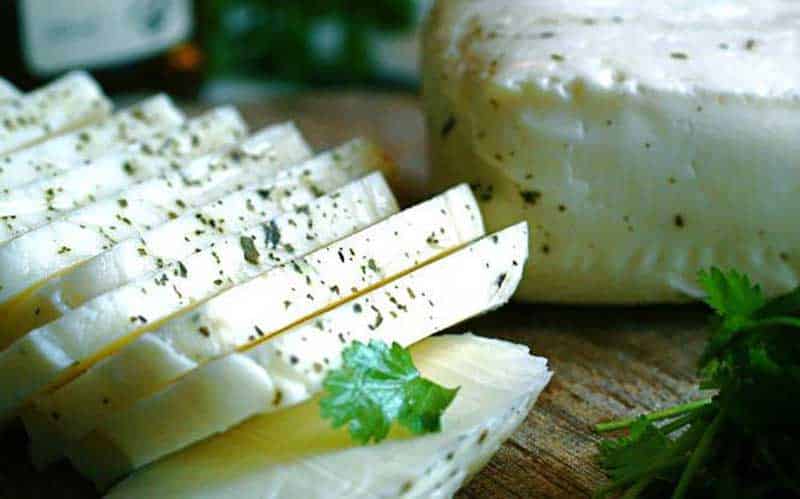
The most significant impact is on halloumi, a flagship export.
Australia has prohibited the import of halloumi that has not been matured for at least 30 days or does not meet specific acidity requirements of pH 6 or below.
According to data from the statistical service of Cyprus, around 2,000 tonnes of halloumi are exported to Australia each year, with an estimated value of €15 million.
Beyond halloumi, the measures extend to all dairy products manufactured or exported from Cyprus, as well as a complete exclusion of meat and animal products.
The ban, local media say, also covers personal dairy products carried by passengers or sent by post, along with sheep and goat intestines used in sausage production, including sheftalia.
Imports of farm feed and pet food containing or derived from Cypriot animals have also been suspended.
For consignments already en-route or on the Australian market, authorities said they would be handled on a case-by-case basis.
Goods proven to have been produced before November 8 may be released following inspection, while products produced or collected after that date will be refused entry and destroyed.
Australian authorities have permitted limited exceptions, including solid chocolate, certain mature cheeses and products containing less than 10 per cent dairy ingredients.
The move follows reports of foot-and-mouth disease in the north, where authorities confirmed outbreaks at livestock units in Ayios Sergios and Lapithos, quarantining affected animals and vaccinating thousands more to prevent further spread.
No cases have been confirmed in areas under the control of the Republic of Cyprus, which retains recognition as free from foot-and-mouth disease without vaccination by the EU and the World Organisation for Animal Health.
Precautionary measures, including disinfection at crossing points in the south, have been implemented by the British bases, while farmers have been instructed to adopt stricter biosecurity protocols.
Experts from Brussels are on the island conducting veterinary assessments, although they are strictly not acting as inspectors.
Their presence is intended to guide proper management of the outbreaks and coordinate with the European Commission.
Speaking to the Cyprus Mail, The European Commission provided further clarification.
The commission expressed “deep concern about the outbreak in Lapithos and is monitoring the situation closely”.
It is assisting local authorities by mobilising veterinary capacity and essential supplies, including protective clothing, disinfectants and syringes.
A deployment of an EU Veterinary Emergency Team has been requested and will be sent as soon as possible.
They confirmed that immediate measures taken by authorities in the north include “imposing quarantine and movement restrictions, establishing protection and surveillance zones, and culling infected herds with safe carcass disposal”.
Regarding the Halloumi/Hellim PDO, the commission said its priority is to “support containment of the outbreak”.
The impact on the PDO scheme in the Turkish Cypriot community will be assessed “once the crisis is contained”.
The commission has invested in strengthening animal health management capacities and training Turkish Cypriots in procedures to follow in case of disease outbreaks, aligning local rules with EU legislation.
The Cyprus Mail further attempted to contact the Australian high commission for clarification on the scientific basis of its decision and any ongoing discussions with Cypriot or EU authorities, but no response had been received at the time of publication.





Click here to change your cookie preferences