
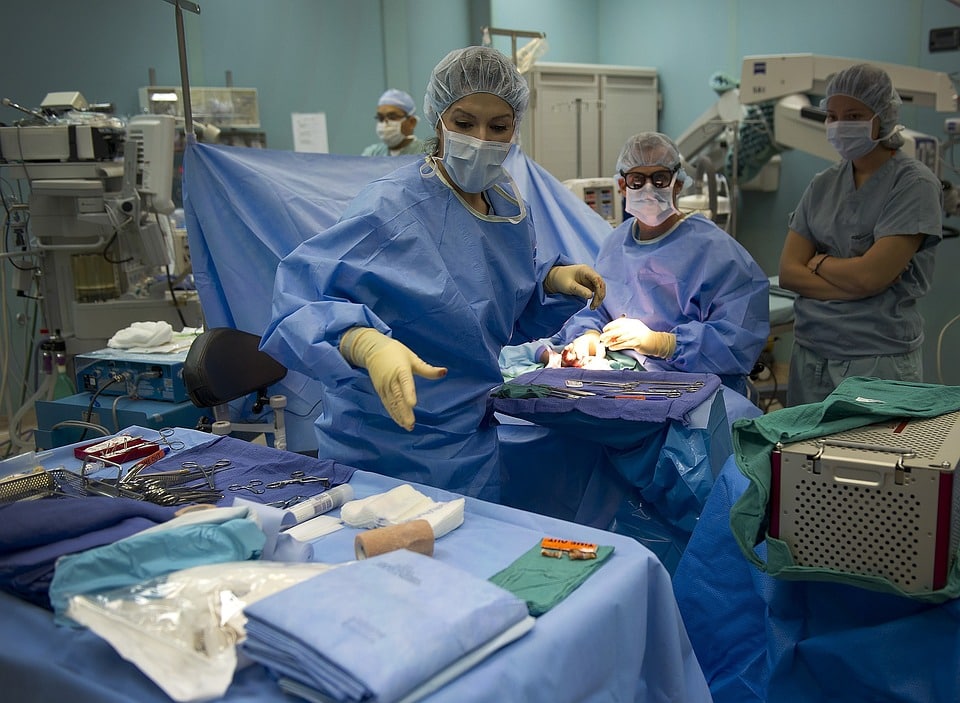
As Cyprus prepares to enter 2026, nursing unions are intensifying pressure on the health ministry, warning that unresolved staffing and planning failures are pushing the health system towards a breaking point.
In a new year press release issued on Wednesday, the nurses’ union (Pasyno) described 2026 as “a year of demands and unity”, warning that perennial problems in the nursing sector now require immediate and collective solutions.
The union cited declining quality of care, staff exhaustion and structural imbalances between public and private hospitals as key challenges confronting nurses.
The union stressed that low pay, excessive workloads and adverse working conditions remain the primary drivers of staff movement between public and private hospitals.
Despite what it described as mounting pressures, Pasyno reiterated morale within the profession remains resilient.
The union outlined its priorities for 2026 as safeguarding the rights of nurses, midwives and health visitors, securing adequate recruitment through rational staff allocation, and achieving meaningful recognition of health professionals’ contribution to society.
“Our voice is united, our determination is irresistible,” the union said, calling on members to support collective action aimed at reshaping the health sector
The statement comes as health minister Neophytos Charalambides has given stakeholders one week to submit proposals to address nurse shortages, with a follow-up meeting planned within a month to assess recommendations and agree on immediate measures.
Speaking during a visit to Limassol general hospital, Charalambides acknowledged that existing incentives have failed to retain sufficient staff and said his aim was to introduce practical improvements for patients and healthcare workers within the first quarter of the year.
Unions have rejected claims that staffing shortages alone are responsible for recent service disruptions, including the threatened suspension of a private clinic’s operating licence.
Instead, Pasyno and fellow unions Peo and Pasydy argue that the crisis is rooted in a failure of management and inadequate planning following the rapid expansion of hospital beds under the Gesy system.
According to union representatives, workforce planning has not kept pace with the growth of facilities, leading to longer waiting lists, postponed procedures and frequent reliance on sick leave. Official figures show 157 vacant nursing posts in state hospitals, alongside 153 nurses currently on sick or maternity leave.
Tensions escalated in November when the health ministry issued a notice to a private hospital in Nicosia, citing insufficient nursing cover in two departments.
The hospital was informed of the ministry’s intention to suspend its operating licence after inspectors found the absence of a night-shift nurse on a medical ward and a shortfall of six nurses in surgery.
Employer groups have proposed recruiting nurses from third countries as a short-term solution, a move strongly opposed by unions.
Pasyno has warned that such practices risk undermining standards of care, raising concerns over language proficiency, patient safety and employment conditions.
In its new year statement, Pasyno said private clinics’ pressure to employ foreign staff could endanger the quality of health services, while failing to address the root causes of recruitment and retention problems.




Click here to change your cookie preferences