
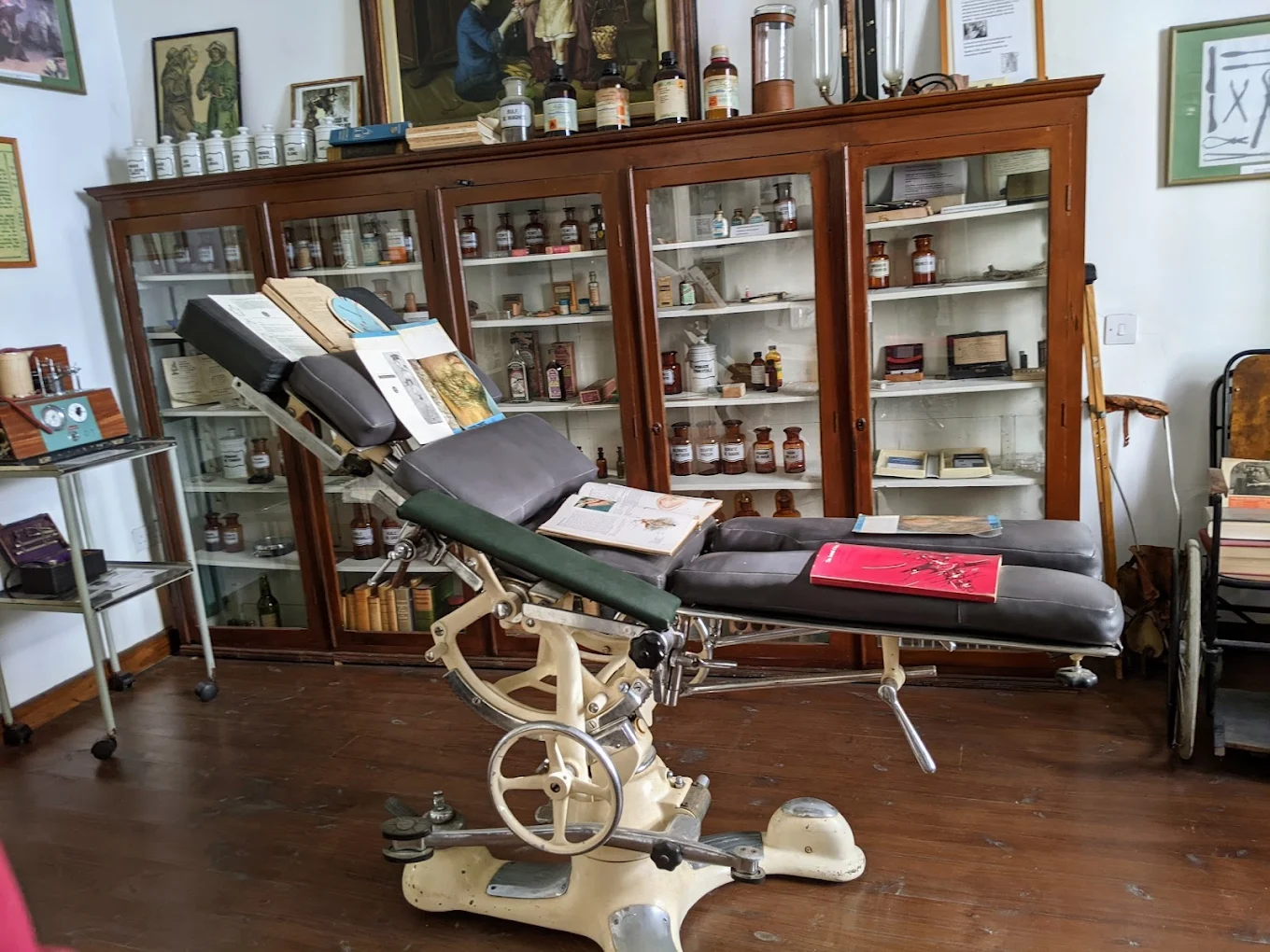
Visitors are encouraged to open cabinets and engage physically with the objects closely
“This is not a museum. It’s a brain exercise,” says Dr Marios Kyriazis, Physician, Gerontologist and owner of the Kyriazis Medical Museum. From the moment visitors step inside the small museum in Larnaca, it becomes clear that the experience goes far beyond cabinets of old instruments. It is a place where medicine, memory, art and philosophy collide to provoke thought opposed to passive observation.
The origins of the museum are traced back to Kyriazis’ family. Kyriazis inherited medical instruments, books and equipment from his family: his grandfather and great grandfather, who were also doctors as well as his father who was a pharmacist. However, he had no space to store them and began to look for a solution. With the desire to offer something to his community in mind, he found an abandoned building in the center of Larnaca that he ultimately restored and made into a museum. This way he was able to preserve a legacy while giving something back to the city, creating a space designed to stimulate the mind.
The collection itself grew gradually through inheritance, donation and recovery. Besides items that were passed down through his family, Kyriazis received equipment, books and material from doctors and pharmacists in Larnaca and beyond. He also salvaged abandoned pharmaceutical furniture, bottles and prescriptions from old pharmacies in the city, personally repairing and preserving them. Over time, the museum expanded further to include works of medical art adding another layer between science, memory and creative expression.
Unlike traditional museums, the Kyriazis Medical Museum avoids structured tours and fixed narratives. Visitors are not guided through a chronological history of medicine. Instead, they move freely and engage with the exhibits at their own pace. The arrangements mirror what Kyriazis describes as the workings of the human brain; dense with information, seemingly discovered, yet connected at multiple levels. The result is a space that rewards attention to curiosity, revealing new connections the longer one lingers.
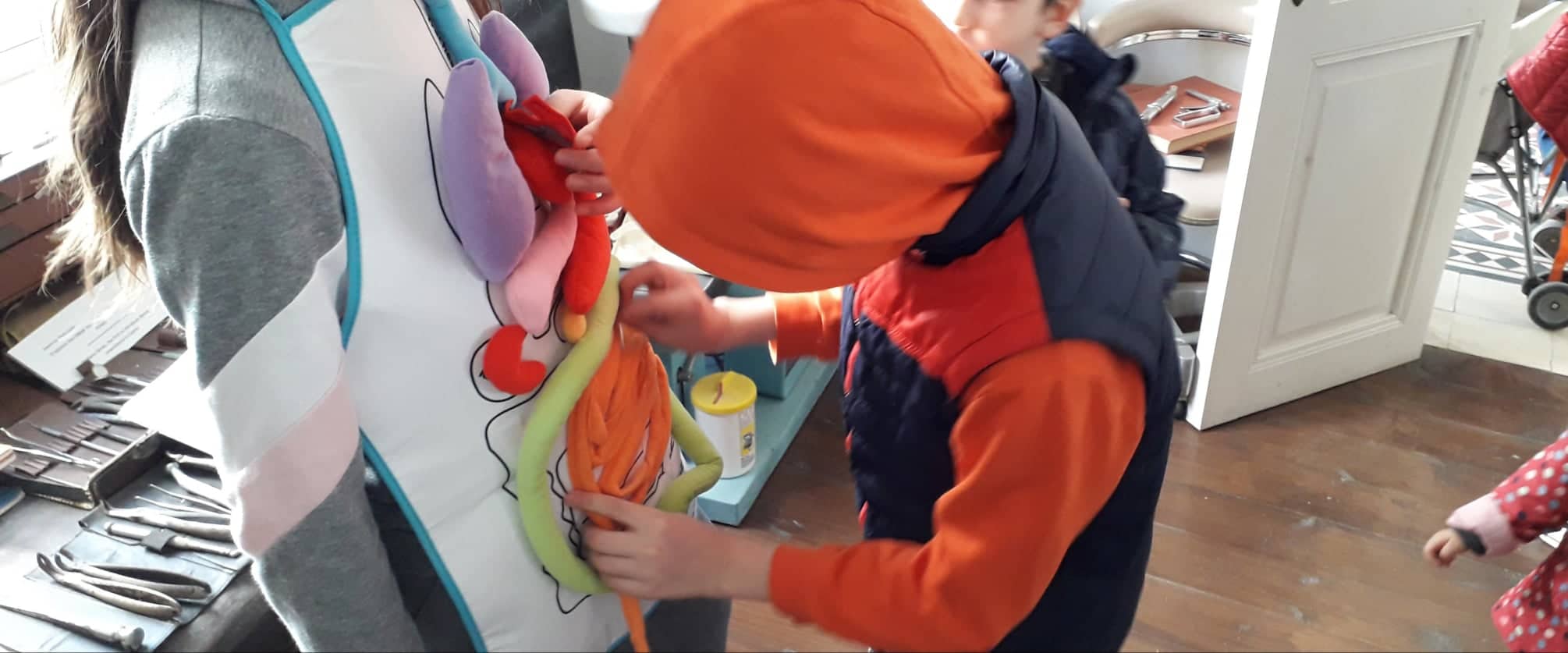
Central to the experience is the museum’s unusual approach to access. Visitors are encouraged to open cabinets, handle instruments and engage physically with the objects closely. The aim is to move past just observation and to involve touch and even smell, so that the experience becomes physical as well as intellectual. By doing this, the museum turns medical history into something that is felt rather than merely seen.
The museum also encourages medical art. For instance, there are blackboards where visitors are free to draw anything that has to do with art, as Kyriazis puts it “there is now a depiction of a collective art creation, where precious drawings of human organs drawn by established artists are next to simple drawings of male genitalia, drawn by 15-year-old student visitors. That’s how the collective mind of humanity works, greatness mixed with mediocrity, but all are part of the human condition”.
One of the most fascinating exhibits is a gynecological and surgical table that was once used by Dr Annivas Francis, a former mayor of Larnaca and perhaps the only gynecologist at the time. The table was later passed to another gynecologist before it was donated to the museum. At the time, Larnaca only had a few thousand residents and many were born on it between the 1930s and 1990s. With childbirth and surgery often taking place either at home or in limited hospital settings, the object acts as a tangible link to an era when medical care was closely woven into everyday life.
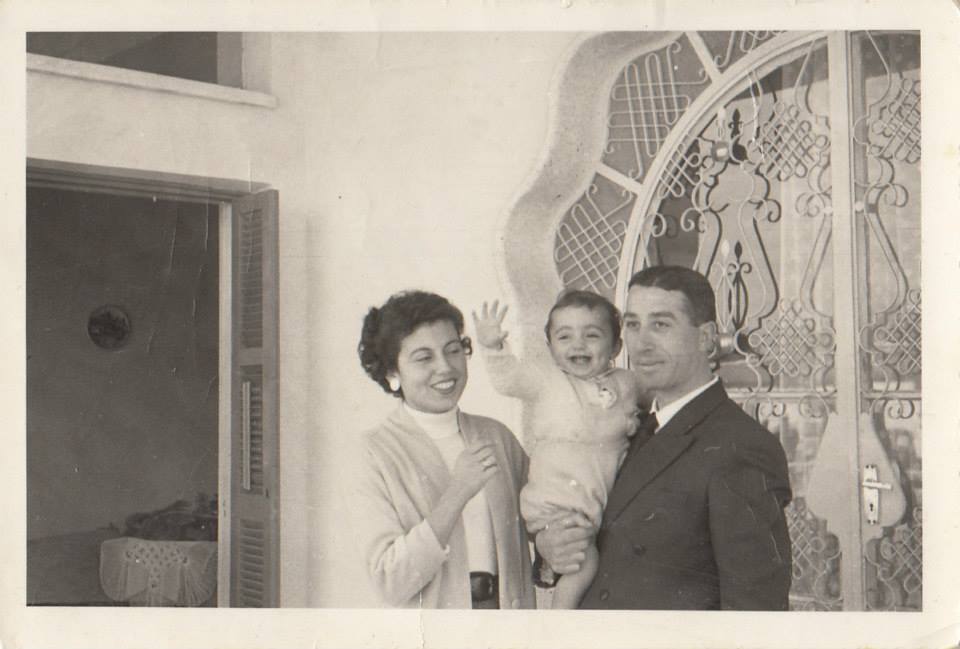
Another section of the museum looks at how illness was treated in everyday Cypriot life. Folk medicine, faith healing, superstition and informal healing practices are looked at. At a time when trained doctors were scarce and often consulted as a last resort, many people relied on quack healers, barber surgeons, prayers and religious rituals. The museum documents these beliefs through poems, curses, prayers and traditional medical terminology, revealing a world shaped by fear of disease and limited treatment options.
Kyriazis draws on the writings of his grandfather, Dr Neoclis Kyriazis, to illustrate how deeply rooted these superstitions were. Writing in 1930, Neoclis Kyriazis recounts being called to treat a child with a fever, only to be blamed by the boy’s father, a priest, who believed the doctor’s presence had frightened the child and allowed the devil to enter his head. The priest insisted the child be taken instead to a Hodja in Pyla to have magic spells read over him. The account highlights how even priests or teachers resisted scientific medicine due to their deeply-rooted superstitions.
“We have a collection of old Cypriot folk poems and curses with a medical slant,” Kyriazis explains. He has also written a dictionary of Cypriot medical terms – words that are still used in everyday speech, often without people knowing what they originally meant. “For example, ‘faousa (shut up)’ is an illness, like a flesh-eating disease, skin cancer… ‘Zilikourtin (shut up)’ is also a serious skin disease”. According to Kyriazis, these expressions reveal a direct link between the older generation, who lived in fear of incurable illness, and modern Cypriots who continue to use this language without fully realising its significance.
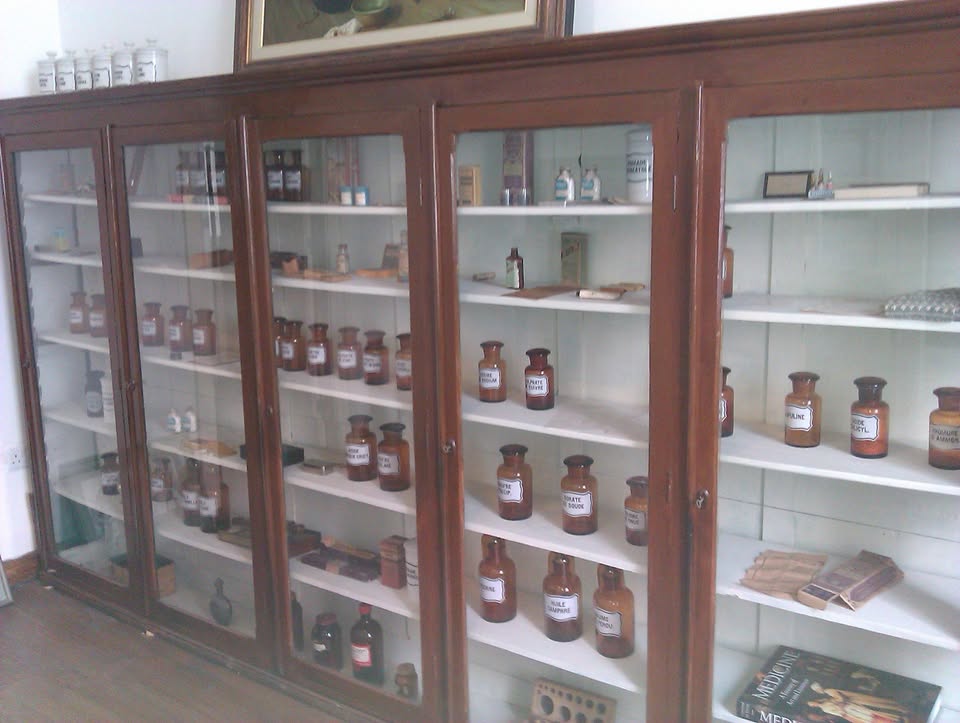
Despite its growing popularity, the museum operates without financial or institutional support from national or local authorities. It has welcomed a diverse audience from medical students to people with dementia, autism and learning difficulties. It continues to attract recognition from the public, currently ranking first among museums in Cyprus according to visitor preference on Tripadvisor. For Kyriazis the ambition is clear: to continue to create a living space that shapes minds, challenge assumptions and redefines what a medical museum can be.
Kyriazis Medical Museum
35 Karaoli & Demetriou Street, Larnaca. Opening hours: Wednesday and Saturday 9am to 12.30pm or any time by appointment. For more information you can visit: https://www.kyriazismedical.museum/




Click here to change your cookie preferences