
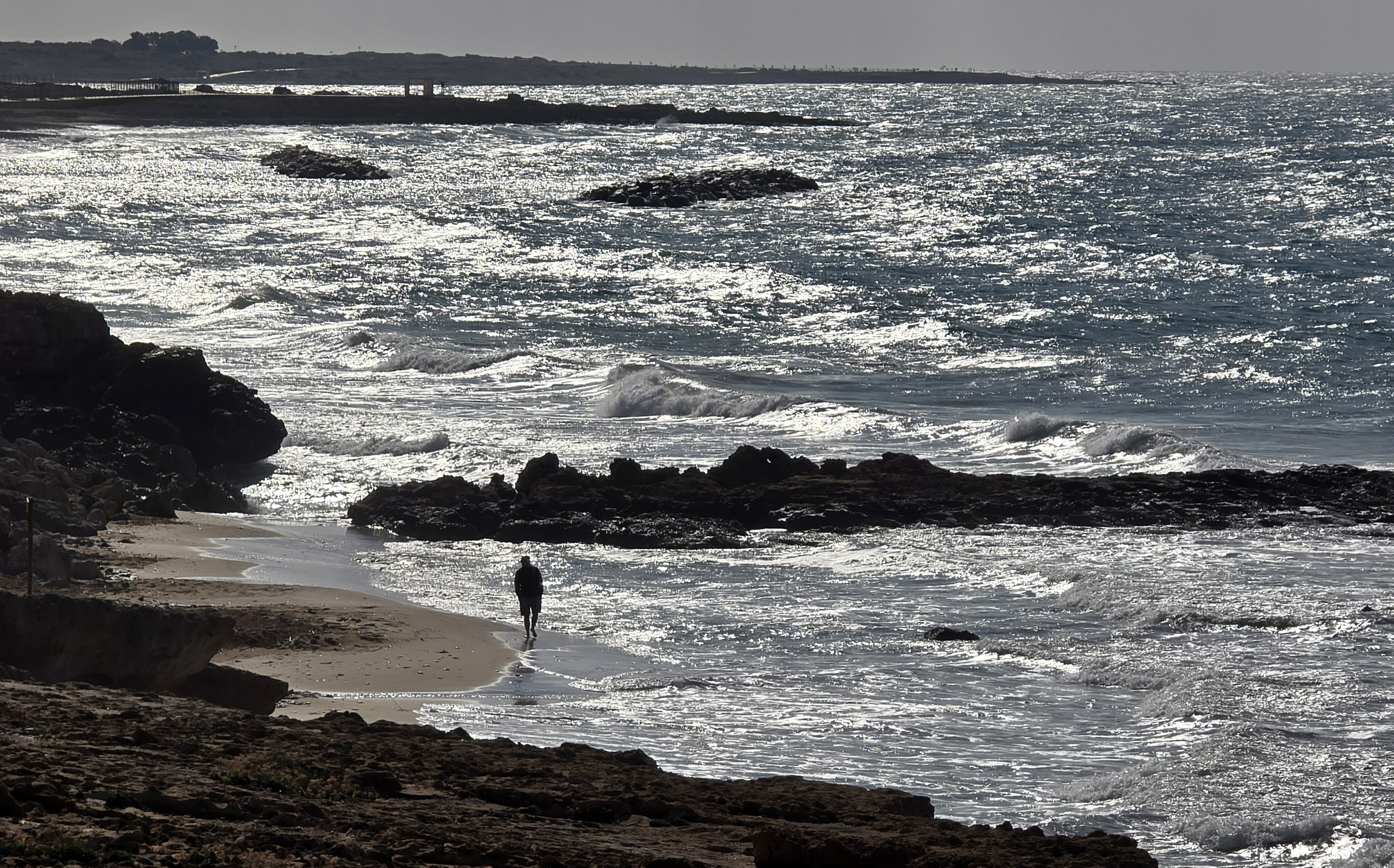
Water supply in the Paphos district faces disruption after severe sea turbulence reduced output from desalination plants, compounding an already critical water situation across Cyprus, the water development department said on Wednesday.
The department said that intense marine conditions have led to a build-up of sediment, significantly cutting water production.
Officials from the department are collaborating with the municipality to safeguard supply, while urging consumers to limit consumption and use water responsibly.
The warning comes despite recent rainfall.
Storms over the past days delivered 43 per cent of January’s average rainfall, boosting dam reserves.
However, overall storage remains at dangerously low levels following months of drought.
The Kouris dam, the island’s largest reservoir with a capacity of 115 million cubic metres, is just 9 per cent full, holding 10.9 million cubic metres, down from 22 per cent a year ago.
The recent rainfall added just over 1.1 million cubic metres to its reserves.
Across Cyprus, total dam capacity of 290 million cubic metres currently holds only 29.6 million cubic metres of water, or 10 per cent, compared with 27 per cent at the same time last year, according to the WDD.
In the Paphos region, the three main dams have dropped to just 9 per cent capacity from 30 per cent last year.
Despite the reduction in production, no water cuts have been imposed, according to Paphos water authority president, Charalambos Pittokopitis.
Speaking on Wednesday, he said output from the two desalination plants and the Asprokremmos refinery had been reduced in recent days due to severe weather conditions, but assured that this had not created problems in water supply.
Production at the Asprokremmos refinery has also been affected after recent rainfall and increased flow from the Xeros river disrupted operations.
To offset losses, boreholes along the Xeros river have been reopened to support supply to areas stretching from Kouklia to Peyia, which are served by both the Asprokremmos refinery and the desalination plants.
Pittokopitis said there was no need to implement water cuts at this stage and added that sea conditions had improved, raising the possibility that desalination units could return to normal production levels within the week.
He nevertheless urged consumers to limit water use and avoid waste.





Click here to change your cookie preferences