
‘The gut is a bridge to the brain. We need to keep the gut healthy so that the brain can be healthy’
By Athena Vlachou
Drugs used to treat metabolic disorders, such as Type 2 diabetes, alleviate symptoms of Alzheimer’s disease in mice, a study led by the Cyprus Institute of Neurology and Genetics (CING) shows, but the timing and length of treatment may be key to achieving comparable results in humans.
The August 2025 study, published in the journal ‘Frontiers in Neuroscience’, shows that two FDA-approved drugs, Alirocumab, which modulates Low-Density Lipoprotein (LDL) cholesterol, and Gliclazide that reduces blood sugar by promoting insulin release in the body, restore cognitive function in the afflicted mice, improving their working memory and spatial learning after five months of treatment.
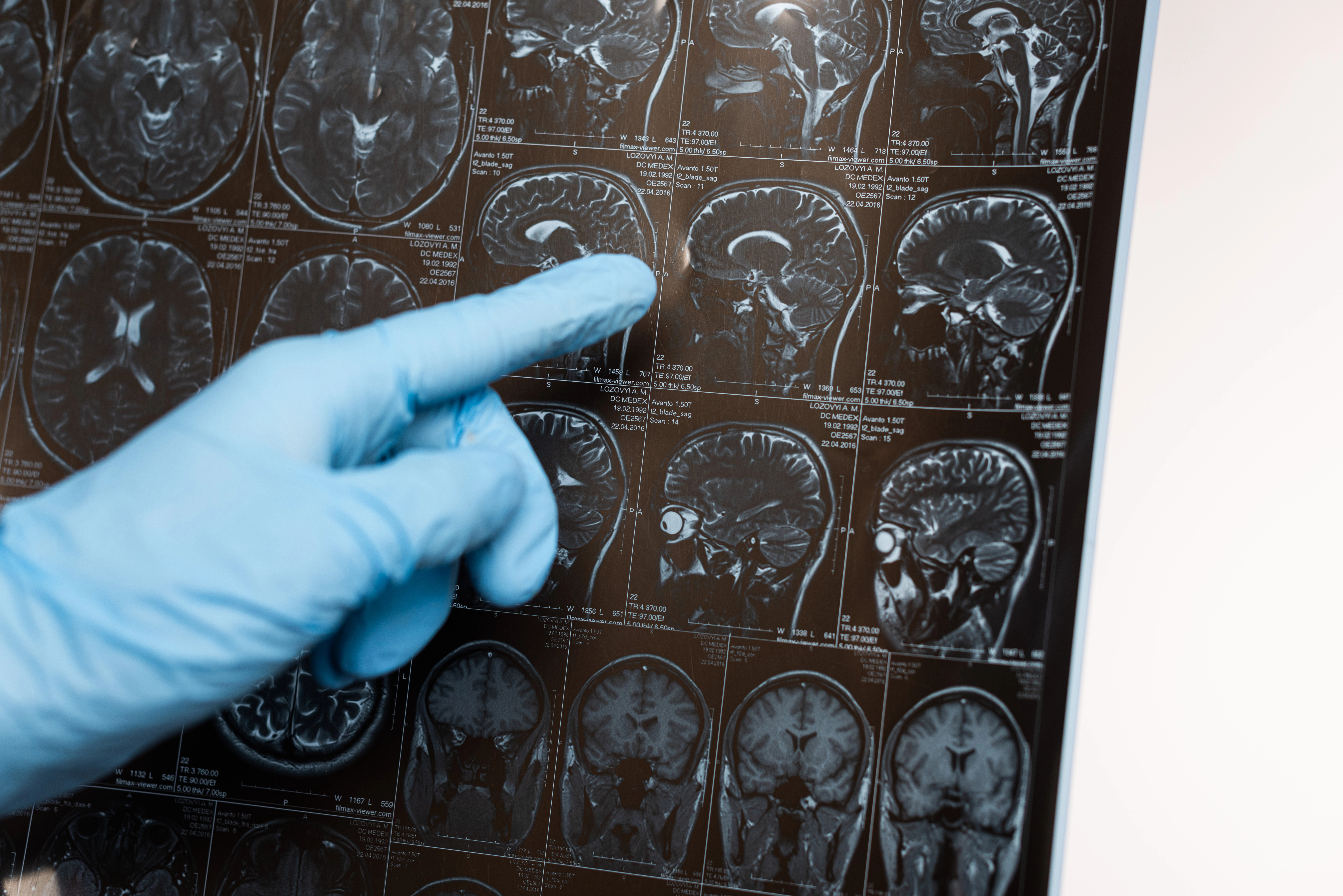
Alzheimer’s, a neurodegenerative disorder, is characterised by a chronic loss of brain function due to protein plaques called amyloids that accumulate between brain cells, leading to memory impairment, cognitive decline and eventual death. A growing body of literature posits that the dysregulated metabolism of fat and sugar contributes to the creation of amyloids in the brain, correlating the disease with metabolic disorders, which can include Type 2 diabetes.
“We used to think the brain was shut off, by itself, and then there was the rest of the body. But it doesn’t work like that,” said Dr Elena Panayiotou Worth, associate scientist at the Neuropathology Department of CING and lead author of the study.
“We’ve spent billions trying to solve Alzheimer’s by thinking this way and it hasn’t been solved,” she said. “The gut is a bridge to the brain. We need to keep the gut healthy so that the brain can be healthy.”
The study tested the ability of mice with Alzheimer’s to navigate a maze. Diseased mice receiving no medication performed worse than their healthy counterparts at learning their environment. In comparison, diseased mice receiving a daily pill of Gliclazide performed just as well as healthy mice. Notably, the Alzheimer’s mice treated with an Alirocumab injection every 10 days performed significantly better than their healthy counterparts. Molecular analysis showed that in both treatment groups, diseased mice had fewer protein plaque formations between brain cells compared to untreated counterparts.
“We saw amazing results,” said Panayiotou Worth. “They looked and behaved like regular mice. If you tested them and you didn’t previously know they had Alzheimer’s, you wouldn’t have known. It’s like they became super mice.”
According to the World Health Organisation, 57 million people were diagnosed with dementia in 2021 with an estimated 10 million new cases added to this figure each year. Alzheimer’s, the most common form of dementia, makes up 60-70 per cent of these cases. Diabetes cases similarly increased from 200 million in 1990 to 830 million in 2022.
Maria Constantoula, a clinical psychologist at Ithaki charity organisation in Nicosia, a day care centre for people with dementia, stressed that Alzheimer’s is a culmination of genetic and environmental factors. However, she has observed that visitors to the centre suffering from both Alzheimer’s and Type 2 diabetes often have more difficulty with emotional regulation and coordination, especially during diabetic flare ups.
“You can see that those people with diabetes are more vulnerable – they tend to have more loss of concentration and exhibit more confusion,” said Constantoula, who has worked at the centre for five years.
“Those with diabetes also tend to be more susceptible to mood changes. They can be hyperactive one moment and then quickly shift into complete withdrawal and immobility.”
Constantoula said a regulated diet plan high in Vitamin B and D is an integral part of a patient’s treatment as it not only has a psychological impact but helps tackle the broader pathological system. For this reason, she said, the Mediterranean diet tends to be recommended, which includes vegetables, olive oil, fish and legumes.
Panayiotou Worth believes that to fight Alzheimer’s disease, the focus should be on the prevention of metabolism-related plaque build-up in the brain through early intervention and long-term medicinal treatment.
She said recent studies in humans that tested the efficacy of metabolic drugs, like Ozempic, to treat Alzheimer’s failed to yield positive results due to drugs being administered for too short a period and given to patients already showing symptoms.

Timing is crucial to achieve desirable results in humans, she said. The examined mice, in Panayiotou Worth’s study, had a life expectancy of up to one-and-a-half years and were administered the medication for five months – nearly a third of their lifespans, which is equivalent to 20 to 30 years for humans. Importantly, the mice which were genetically altered in a lab to develop Alzheimer’s were receiving treatment before clinical presentation of the disease symptoms.
Panayiotou Worth said that administering drugs early to asymptomatic individuals without an Alzheimer’s diagnosis creates a “Catch-22” situation.
“Understanding that metabolism has something to do with Alzheimer’s is one thing, but when does it matter? Does it come into play when you are 10 or 20 years old?” she said.
“When do you get to the point where you have to intervene? How do you treat a patient that hasn’t become a patient yet?
“It’s pretty drastic. How am I going to tell a 30-year-old, ‘You know, your LDL was a little high, you need to go on drastic drug treatment right now’? They’ll think, ‘What is this person talking about, making such a fuss over a few points of excess cholesterol?’” Panayiotou Worth said.
Vassilis, president of an Alzheimer’s centre based in Cyprus, whose late wife Thekla passed away from Alzheimer’s eight years ago at the age of 68, chose not to pursue a medicinal route with her after it proved ineffective for his late mother who also died from the disease at 84. Vassilis did not give the name of the medication his mother took for her Alzheimer’s but said it was not related to diabetes.
“Doctors told me that by the time my mother had started taking the medicine it would only prolong her life a little but that it was not a solution. They told me not to expect a cure or that the Alzheimer’s would be gone,” said Vassilis, 73, who did not wish to give his last name.
“Visits to the doctor were a great disappointment. I think they didn’t respect our choice not to take medication,” said Vassilis.
He said he did not regret the decision. “I just wanted her to have a happy life.”
It was a shock, he added, that Thekla, a gymnast who had been “very fit” all her life, began to show symptoms of Alzheimer’s at 60.
A lifelong medicine sceptic, Vassilis began taking Glucophage pills for diabetes himself at the age of 70 after his blood-sugar and cholesterol levels elevated. He has also recently noticed symptoms he believes are early signs of Alzheimer’s. If he is right, metabolic drugs are unlikely to help him at this stage according to Panayiotou Worth’s study.
While Vassilis is hopeful that the latest study could help find a cure for Alzheimer’s, he believes that empathy and patience are at the crux of helping those suffering from the disease.
“The best you can do is to accept their world and go by it,” he said.





Click here to change your cookie preferences