
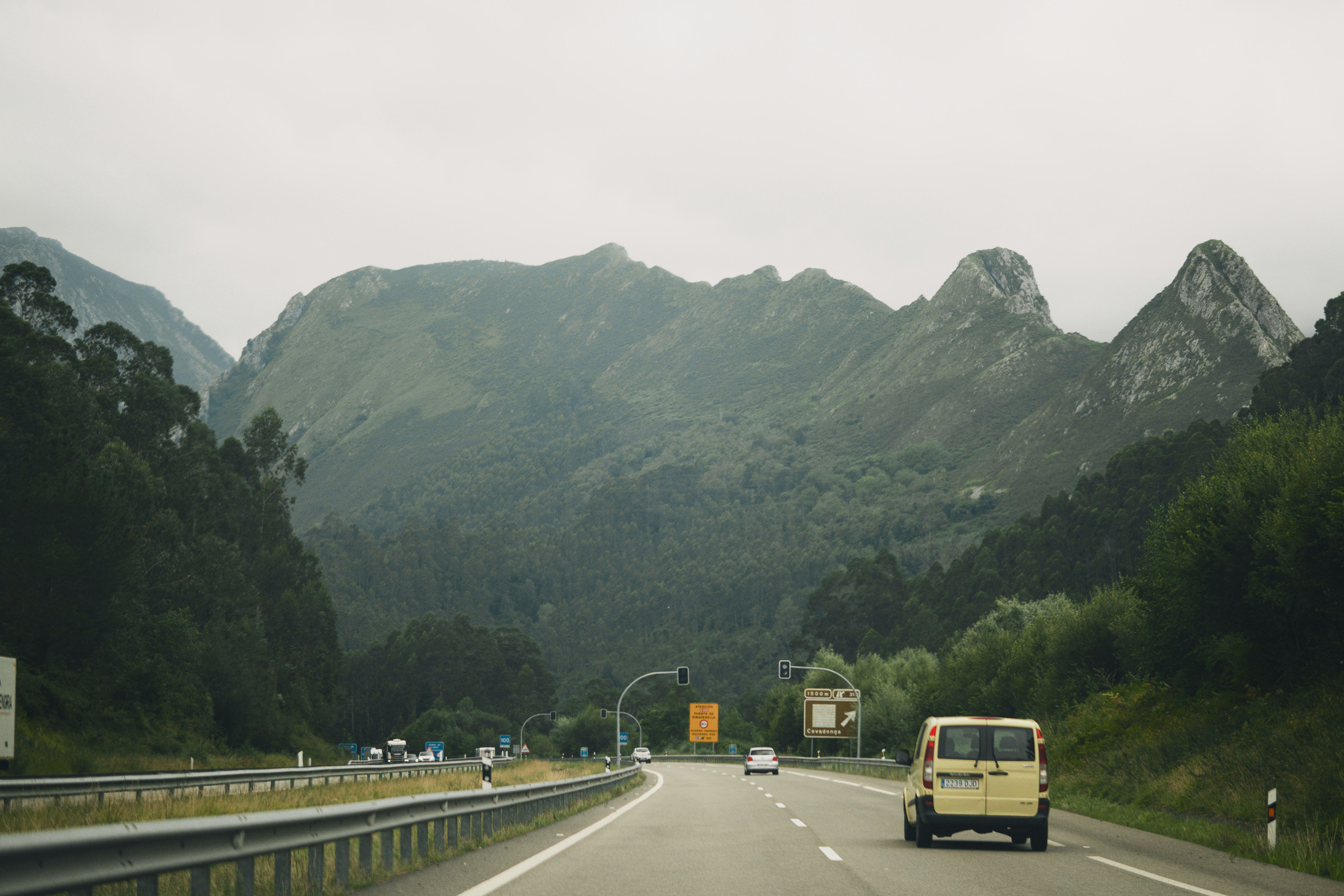
Everything feels new enough to demand attention. After that point, something changes. The route doesn’t suddenly become easier or deeper, but different things start to matter. What felt important at the beginning fades, and what you barely noticed at first moves to the foreground.
Understanding this shift helps explain why people experience the Camino so differently depending on how long they walk.
Comfort stops being optional and becomes central
In the early days, many walkers push through small discomforts out of excitement or stubbornness. After 100 kilometers, that approach usually stops working. Minor issues that were easy to ignore become limiting if they aren’t addressed. Foot care, sleep quality, and pacing begin to matter more than ambition.
This is the point where the Camino quietly teaches practicality. You stop caring about how far you planned to walk and start caring about how well you recover. Those who adapt continue smoothly. Those who don’t often struggle, not because the route gets harder, but because their margin for error disappears.
The social layer thins out
Early on, the Camino feels crowded in a loose, friendly way. Conversations happen easily. Groups form and dissolve quickly. After a few days, the social dynamic shifts. Some people leave the route. Others change pace. Small clusters settle into quieter routines.
What remains is not loneliness, but selectivity. You still meet people, but fewer of them. Conversations become less introductory and more grounded. Silence feels more comfortable. Walking side by side without talking becomes normal.
This is often where people realize the Camino is not primarily a social experience, even though it contains one.
The landscape becomes background, not content
At the beginning, scenery carries weight. You notice villages, churches, fields, and small details because everything feels new. After 100 kilometers, the landscape continues to change, but it stops demanding attention. It becomes context rather than focus.
This can feel disappointing if you came for visual stimulation. But for many walkers, this shift is a relief. When the surroundings stop competing for attention, your awareness turns inward or toward the act of walking itself. The Camino stops being something you observe and becomes something you inhabit.
Routine replaces motivation
Early motivation often comes from novelty or intention. After the first stretch, routine takes over. You wake up, walk, stop, continue, arrive. The day does not need motivation to begin. It begins because it always does.
This is where some people quit. Without novelty, the Camino can feel flat. Others find this stage unexpectedly stable. With fewer emotional spikes, the experience becomes easier to carry day after day. The Camino stops asking for enthusiasm and starts rewarding consistency.
Distance becomes a tool, not a goal
In the early days, distance is something you prove you can handle. After 100 kilometers, distance becomes a variable you adjust. Some days are longer, some shorter, and neither feels like success or failure.
You begin to understand how your body responds to different lengths and terrain. This knowledge makes the walk feel cooperative rather than adversarial. You stop conquering distance and start using it intelligently.
Small choices start to matter more than big ones
Big decisions like route choice or accommodation style matter less as time goes on. Small choices start to dominate the experience. When you stop. How long you sit. Whether you eat enough early. Whether you walk the first hour quietly or distracted.
These choices don’t feel important at first, but after many consecutive days, they shape how sustainable the walk feels. The Camino becomes less about where you’re going and more about how you manage the hours in between.
Comparison loses its grip
Early on, it’s common to compare yourself to others. Who walks faster. Who carries less. Who seems more comfortable. After a certain point, those comparisons fade because they stop being useful.
You know what works for you. You know your pace. You recognize your limits. Other walkers become reference points, not benchmarks. This shift reduces tension and makes the Camino feel more personal, even though nothing about the route has changed.
Meaning becomes quieter, if it appears at all
People often talk about “finding meaning” on the Camino, but after 100 kilometers, meaning rarely arrives as a thought or realization. It appears, if at all, as a subtle change in attention. You notice less noise in your thinking. You react less urgently to discomfort. You become more tolerant of repetition.
This is not insight in the cinematic sense. It is adjustment. And it only happens when the early layers of effort and novelty fall away.
Support structures fade into the background
By this stage, you no longer think much about signage, accommodation systems, or logistics. They work, and because they work, you stop noticing them. This is why both independent walkers and people using Camino de Santiago tours often describe similar internal experiences. The external structure disappears once it’s no longer needed consciously.
What remains is walking inside a framework that doesn’t demand your attention.
The Camino stops explaining itself
After 100 kilometers, the Camino no longer feels like something you are learning. It becomes something you are participating in. Questions like “Is this normal?” or “Am I doing this right?” fade. The route stops offering reassurance and starts assuming you know how to move within it.
This is the stage many people remember most clearly later, even if it didn’t feel remarkable at the time.
Why this phase is easy to miss
The Camino’s middle stretch is easy to misunderstand because it lacks drama. Nothing obvious happens. There is no milestone moment. But this is where the walk becomes sustainable, and sustainability is what allows the experience to last.
People who stop early often leave with strong impressions. People who continue longer leave with quieter ones. Neither is wrong, but they are fundamentally different experiences.
What actually matters after the first 100 kilometers
What matters is not belief, insight, or endurance. It’s adaptation. How you respond when the Camino stops entertaining you. How you walk when no one is watching. How you manage repetition without resisting it.
The Camino doesn’t change after the first 100 kilometers. You do, slightly. And that is enough to alter the entire experience.
DISCLAIMER – “Views Expressed Disclaimer – The information provided in this content is intended for general informational purposes only and should not be considered financial, investment, legal, tax, or health advice, nor relied upon as a substitute for professional guidance tailored to your personal circumstances. The opinions expressed are solely those of the author and do not necessarily represent the views of any other individual, organization, agency, employer, or company, including NEO CYMED PUBLISHING LIMITED (operating under the name Cyprus-Mail).





Click here to change your cookie preferences