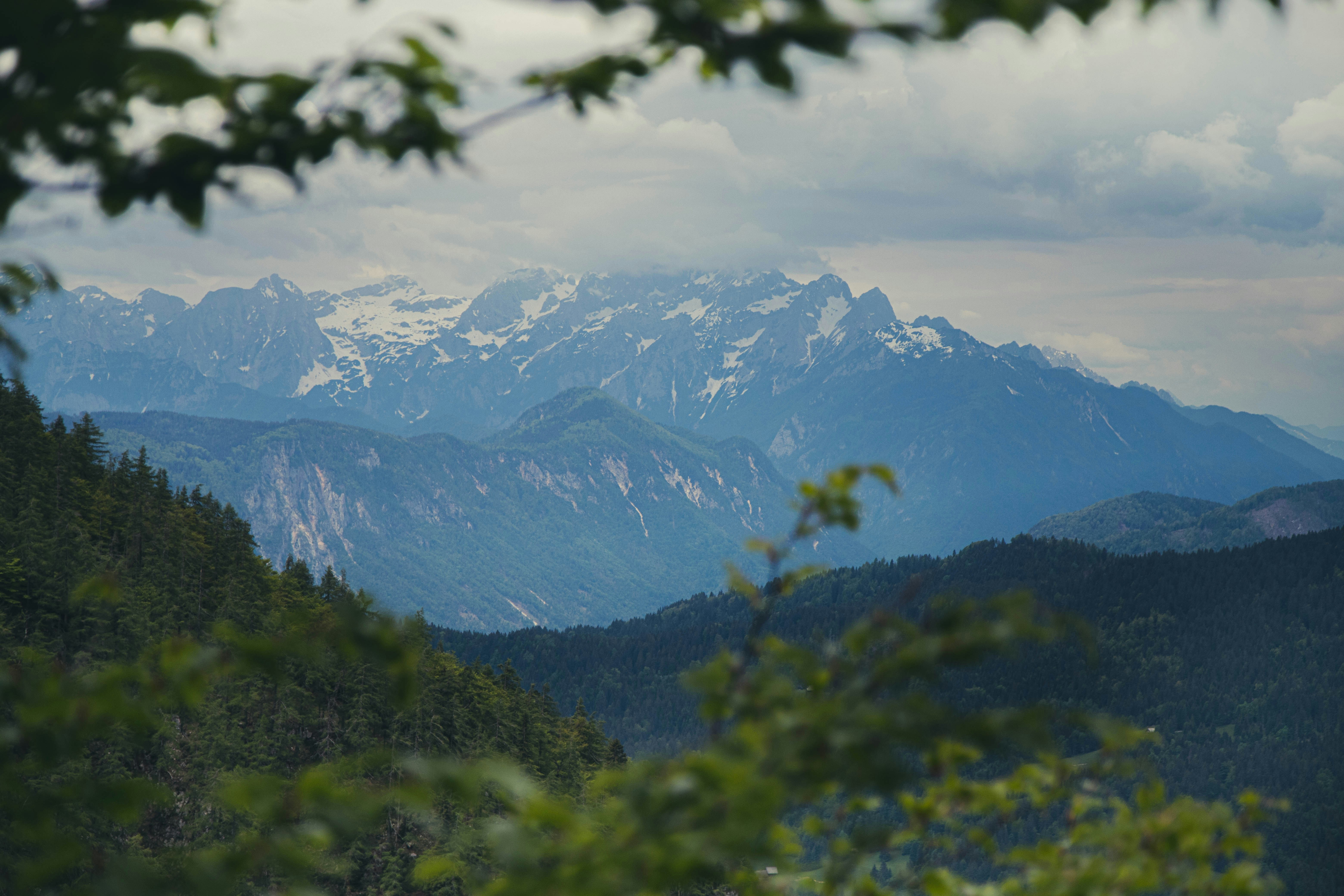
Even when the terrain rises and the scenery becomes dramatic, the experience stays manageable. This isn’t because Slovenia lacks challenge. It’s because the country quietly limits the kinds of pressure that wear hikers down. Understanding why hiking here rarely feels overwhelming helps explain why so many people find it comfortable without finding it dull.
The terrain avoids constant extremes
Slovenia’s geography offers variety without stacking difficulty. You move through forests, valleys, plateaus, and higher alpine areas in sequence rather than being thrown into one demanding environment after another. Steep sections exist, but they are usually short and purposeful. Long, sustained punishment is rare.
This matters more than elevation numbers. The terrain gives your body time to recover between efforts. You’re rarely fighting gravity for hours without relief. That pacing keeps fatigue from accumulating too aggressively, which is one of the main reasons Slovenia feels easier than expected.
The landscape transitions are gradual
One of the most underrated features of hiking in Slovenia is how smoothly the landscape changes. You don’t step abruptly from village streets into exposed alpine ground. Instead, the route moves outward in layers. Fields turn into forest. Forest thins into meadows. Meadows open toward rockier slopes.
These gradual transitions reduce mental strain. You’re given time to adjust to each environment rather than being forced to react quickly. The walk feels understandable at every stage, which lowers the sense of pressure that often comes with mountain terrain.
Routes are designed for walking, not conquering
Slovenia’s trails are practical. They follow old paths, forest tracks, and traditional routes used by locals for generations. Even in mountainous regions, most routes favor contouring and traversing rather than direct vertical ascent.
This design encourages steady movement rather than bursts of effort. You don’t feel like you’re constantly being tested. The trail works with the land instead of against it, and that cooperation is what keeps the experience grounded.
Navigation rarely demands constant attention
Trail markings in Slovenia are clear, frequent, and consistent. Once you understand the system, you stop thinking about navigation altogether. This reduces cognitive load significantly, especially on longer days.
When you’re not worried about where to turn or whether you’re still on the route, the hike feels lighter. Slovenia removes this particular source of stress almost entirely, which is why even unfamiliar terrain feels approachable.
The peaks are present without being dominant
Slovenia has serious peaks, but they are optional. Iconic summits like Triglav exist for those who want them, but they don’t define the everyday hiking experience. Many of the most satisfying routes avoid technical ground entirely while still offering wide views and a strong sense of place.
This optionality matters. You are not forced toward exposure or complexity to feel like you’re “doing Slovenia properly.” The mountains remain part of the background rather than the constant focus.
Villages and valleys anchor the experience
Rural villages and valleys appear frequently enough to keep the hiking grounded. You’re rarely far from signs of everyday life. Farms, small towns, and quiet roads remind you that this is a lived-in landscape, not an isolated wilderness.
That presence reduces psychological pressure. Even when you’re walking high routes, you know support is close. The experience feels supported without being crowded.
Forests do a lot of the work
Slovenia’s forests deserve credit for how they shape the hiking experience. They provide shade, soften elevation changes, and break long routes into calmer sections. Walking through forest resets both body and mind before the next open stretch.
These sections aren’t filler. They are part of what keeps the hiking sustainable. Forests reduce exposure, manage temperature, and offer consistent footing, all of which contribute to a sense of control.
Weather rarely forces extreme decisions
While mountain weather always deserves respect, Slovenia’s common hiking routes rarely put you in situations where weather demands urgent action. Routes tend to stay readable in cloud cover, and alternatives are often available nearby.
This doesn’t mean weather can be ignored, but it does mean it doesn’t dominate the experience. You adapt rather than react, which helps keep the day calm even when conditions shift.
Intensity is optional, not built in
Perhaps the most important reason hiking in Slovenia rarely feels overwhelming is that intensity is something you choose rather than something imposed. You can make days harder by linking routes or chasing summits, but you don’t have to.
The system supports moderate days just as well as ambitious ones. That flexibility allows hikers to settle into a pace that feels right instead of constantly measuring themselves against the terrain.
Why this makes Slovenia feel different
Slovenia doesn’t try to impress hikers with scale, difficulty, or spectacle. It offers depth without pressure. You get forests, peaks, valleys, and water without being asked to endure constant strain.
This balance is what keeps people walking comfortably for days at a time. It’s also why Slovenia works well for both independent hikers and those joining Slovenia hiking tours. The environment itself is already doing the heavy lifting.
What you take away from hiking in Slovenia
What stays with many hikers after Slovenia is not a single dramatic moment, but a feeling of ease. The walking feels complete rather than exhausting. The landscape offers variety without overload. The routes feel supportive without being simplistic.
Slovenia rarely overwhelms because it doesn’t compete for your attention. It lets the walking unfold naturally, without forcing intensity where it isn’t needed. And for many hikers, that quiet restraint is exactly what makes the experience so rewarding.
DISCLAIMER – “Views Expressed Disclaimer – The information provided in this content is intended for general informational purposes only and should not be considered financial, investment, legal, tax, or health advice, nor relied upon as a substitute for professional guidance tailored to your personal circumstances. The opinions expressed are solely those of the author and do not necessarily represent the views of any other individual, organization, agency, employer, or company, including NEO CYMED PUBLISHING LIMITED (operating under the name Cyprus-Mail).





Click here to change your cookie preferences