
Cyprus must switch from emergency and reactive crisis management to long-term planning based on climate change
Cyprus suffered its worst drought in 2025 since 1901. The seriousness of the situation came to a head during the last two-months, propelling the government this week into a state of emergency.
The UN also warned this week that water ‘bankruptcy’ has reached a point of no-return globally. Existing approaches to water management are not only falling short, but are not appropriate to provide “honest, science-based adaptation to the new reality.” This applies to Cyprus too.
Last week, an emergency meeting at the presidential palace led to “roadmaps and emergency measures.” But is reactive management the right way to deal with the crisis?
This is becoming a recurring phenomenon of increasing intensity and duration, driven by climate change and global warming. Cyprus has suffered from recurring periods of drought and water scarcity throughout its history, with significant dry spells lasting years. As recently as 2008, an exceptionally severe water crisis forced Cyprus to import water using tankers.
What is happening now is not as a continuation of historical cycles, but a structural shift driven by global warming. The traditional model of “extrapolating from history” is failing because Cyprus is warming at a rate of 0.4 -0.6°C per decade, significantly faster than many other parts of the planet.
It is no longer sufficient to rely on historical extrapolations. Indeed, research by Cyprus Institute suggests that the ‘new-normal’ will be fundamentally different from any historical record, with water resources now and well into the future on continuous decline. Cyprus already faces the highest level of water-stress in Europe.
All of this was predictable and expected. We shouldn’t have gotten to this point. Cyprus must move away from emergency and reactive crisis management to long-term planning based on climate change.
Sensible longer-term strategy
Cyprus needs integrated, climate-resilient, development planning. Given the continuing reduction in rainfall, the strategy should move beyond reliance on dams and groundwater by expanding non-conventional water resources.
It should maximise wastewater reuse for irrigation and agriculture, reducing pressure on the dwindling freshwater supplies. The UAE provides good examples.
Major investment is also needed in improving aging water networks to address current losses, which can be up to 40 per cent in areas such as Limassol and Famagusta.
These feature strongly in the auditor-general’s reports last year. It is disappointing to note from these reports the significant waste of recycled water, despite the drought, due to lack of infrastructure. Also, the massive leaks in aging pipes and slow progress on crucial projects.
He criticized the reactive management and stressed the need for integrated national strategies for water reuse and climate adaptation.
The government has already announced up to 50 per cent expansion of desalination facilities, including upgrading of existing plants. This is essential to provide a stable, climate-independent, source of water for domestic use.
Let’s hope these are expedited and do not suffer the delays and problems most large infrastructure projects experience in Cyprus. Transparency will be essential.
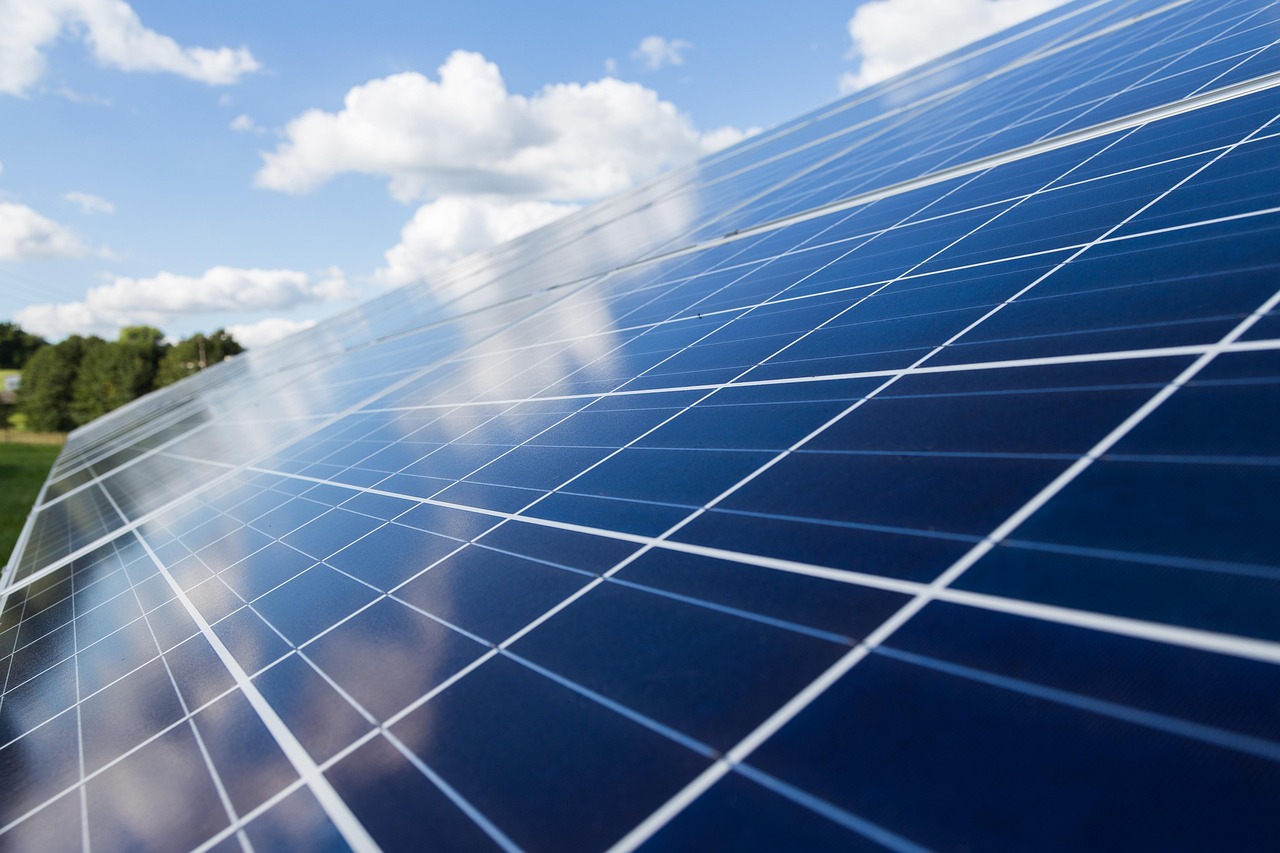
The government should also expedite the switch from use of conventional electricity to renewables in water desalination.
Time to switch desalination to renewables
Without adoption of new measures, it is expected that curtailment of renewable electricity could exceed 50 per cent or about 325GWh this year. An absolute waste of a valuable resource, especially as much of this could have been used to produce desalinated water had the switch of desalination to renewables been implemented.
This would have been enough to produce over 80 million m3/year desalinated water, about 80 per cent of the amount produced now.
Not only is desalination powered by renewable resources feasible, but it is also ideally suited to islands, countries with high electricity and carbon allowance costs and regions facing chronic water-stress. In other words, it is eminently suitable for Cyprus.
The immediate target must be that all new facilities should be powered by renewable energy rather than conventional electricity, helping cut costs and emissions.
Operators of existing plants could sign power purchase agreements with renewable energy producers. Given the magnitude of curtailed electricity, use of this resource must be a priority. Cyprus must move from just talking about it, to actually doing it – now.
Desalination plants could in fact operate like energy storage, providing demand flexibility. At times of excess renewable power, they can operate at full capacity to produce cheaper freshwater that can be stored.
At present both existing and planned facilities operate on conventional electricity, resulting in high operational costs and environmental pollution through emissions.
Not only should existing plants be adapted to operate with renewable electricity, but, going further, all future desalination plants must be co-located with dedicated renewable farms to reduce emissions and energy costs.
Based on current forecasts, water consumption demand is expected to reach 350 million m3/year by 2030. The government’s target is that about half of that should be produced by desalination, requiring about 700 GWh, close to 12 per cent of Cyprus’ expected electricity consumption by 2030, and produce over 550,000 tonnes CO2 based on electricity generation using HFO.
It should be noted that the forecast price of emission allowances this year is over €100/tonne, rising to €120-€140/tonne by 2030.
Switching desalination to renewables can lower operating costs over time and reduce carbon emissions and pollution. It also has the potential to halve water prices. Surely these make it a top priority.
Future priorities
Given that drought conditions will carry on intensifying due to global warming, ensuring a long-term solution to Cyprus’ water shortage problems would require minimising dependence on dams and making desalination the backbone of drinking water, something the government appears to be adopting.
But with desalination being energy-intensive, Cyprus must avoid creating a long-term water dependence on expensive and polluting fossil fuels. Cyprus must prioritise use of renewable energy for desalination as a matter of urgency, starting with use of curtailed electricity and progressing to construction of dedicated renewable farms.
Cyprus urgently needs to put in place long-term strategic water and energy plans developed on the basis of climate change and global warming and use these to ensure secure, sustainable and resilient water and energy supplies well into the future. Thus, avoiding the current situation of going from crisis-to-crisis, relying on reactive and costly short-term measures to deal with the resulting emergencies.
Recent news that the government is moving forward with a study to create a single Water Authority by 2027 to ensure centralised management is welcome. But why park this into a study and why wait until 2027?
As I said earlier in the year, Cyprus must get out of this vicious cycle of having to react in the face of emergencies rather than being prepared through long-term planning for what we know is coming.





Click here to change your cookie preferences