

Not grounded in local tradition or Orthodox practices, the day of love is nonetheless widely celebrated in Cyprus By Christina Michailidis Every February, shop windows bloom with red hearts, chocolates and bouquets. Couples post affectionate selfies and book candlelit dinners, while others quietly opt out. But the version of Valentine’s Day as we recognise it today is less a timeless tradition than a modern creation, shaped by centuries of storytelling, cultural adaptation and the steady influence of global markets. Saints without romance Despite its name, Valentine’s Day did not start out as a celebration of romantic love. As director of the Centre for Medieval Arts and Rituals (CeMAR) at the University of Cyprus Professor Stavroula Constantinou explains, the saints behind the date were not associated with romance. “Roman martyrologies list two different saints named Valentine commemorated on February 14,” she says. “One was a Roman priest, said to have been martyred in the third century during the reign of Emperor Claudius. The other was a bishop of Terni who also died as a martyr in Rome.” The earliest surviving accounts of their lives were written centuries later and “there is no evidence that either saint was widely venerated in Byzantium.” Constantinou also notes, “neither Valentine appears to have had any original connection to romance, lovers or courtship.” Inventing Valentine The romantic Valentine that is celebrated today is a literary creation. According to Constantinou, it was medieval poetry that transformed an obscure saint into a patron of lovers. “It was the poet Geoffrey Chaucer and his contemporaries who began to portray Saint Valentine as the patron of the mating of birds and of lovers,” she explains. By the time of Chaucer’s death in 1400, Valentine had already been transformed into a kind of companion to Cupid – a symbolic sponsor of lovers.” There is no evidence of a Valentine literary tradition prior to Chaucer, leaving historians uncertain as how or why the saint was first connected to love and courtship. Nevertheless, as Constantinou points out scholars have suggested interesting possibilities “His name sounded pleasing, and his feast day fell at a moment when people believed spring was beginning, when birds sang again, flowers emerged, and thoughts turned toward love.” From poetry to profit Over time, these literary ideas were integrated into everyday customs and eventually into the marketplace. Today, Valentine’s Day is a massive commercial event across Europe, the US and beyond. In the UK alone, consumers spend an estimated £1.37 billion on the occasion, while retailers in Germany expect about €1.3 billion in Valentine’s related sales. Across Europe, the average per person spending averages between €85 and €105, echoing just how far spread the celebration has become. Overall, around 59 per cent of consumers worldwide now take part in some way. Imported love In Cyprus, Valentine’s Day has never been part of the Orthodox rhythm of the year. “Saint Valentine’s Day does not arise organically from either the liturgical year or the local cycle of saints’ feasts,” says Constantinou. Although love is central to Orthodox theology, it is conveyed “through sacramental life, the veneration of saints, and communal ritual practices rather than through a singular, secularised ‘romantic’ day.” Valentine’s Day was largely introduced to Cyprus through Western media and the global consumer culture and is, “is therefore often experienced as externally derived rather than religiously grounded.” As a result, its observance is optional and often “performative insofar as its main rituals – exchanging cards and gifts, or displaying affection in social media – function mainly as public signs rather than as communal or liturgical acts.” Love before Valentine Even if Valentine’s Day may feel imported, Cyprus already had its own associations with love and romance. It is after all, the mythical birthplace of Aphrodite and literary traditions reveal that romance was never absent from earlier cultures, it was just expressed differently. Medieval texts covered a number of sections associated with modern romance. Byzantine novels portrayed lovers who experience “love at first sight, emotional suffering, separation, jealousy, a sequence of trials, and eventual reunion,” says Constantinou, while other genres express “longing, tears, devotion and inner conflict.” This is reminiscent of modern love narratives suggesting that today’s expressions of romance have deep historical roots, even if Valentine’s Day itself does not. Modern ritual Valentine’s Day as we know it today is not ancient or universal. It is a modern ritual, shaped by poetry, culture and marketing, and adopted differently among different societies. For some, it offers a convenient opportunity to express affection, for others, it remains easy to ignore. As Constantinou puts it, contemporary Valentine’s Day tends to frame love as “individualised, romantic and publicly performed.” In Cyprus this exists alongside older understandings of love shaped by family bonds, faith and community recognition. The outcome is a hybrid landscape. Global romantic imagery circulates widely yet participation remains a personal choice rather than an obligation. “For some people, the day offers a new language for expressing love and affection. For others, it risks reducing love into a single, commercially scripted form – gift-oriented and temporally confined to an annual event”. What began as an obscure saint’s feast, reshaped by poetry and influenced by commerce has become one option among multiple ways of expressing affection. What remains consistent is the emotion itself, the rituals may change but love continues to be expressed in multiple forms, across generations, traditions and everyday moments beyond a single date.
Every February, shop windows bloom with red hearts, chocolates and bouquets. Couples post affectionate selfies and book candlelit dinners, while others quietly opt out. But the version of Valentine’s Day as we recognise it today is less a timeless tradition than a modern creation, shaped by centuries of storytelling, cultural adaptation and the steady influence of global markets.
Saints without romance
Despite its name, Valentine’s Day did not start out as a celebration of romantic love. As director of the Centre for Medieval Arts and Rituals (CeMAR) at the University of Cyprus Professor Stavroula Constantinou explains, the saints behind the date were not associated with romance.
“Roman martyrologies list two different saints named Valentine commemorated on February 14,” she says. “One was a Roman priest, said to have been martyred in the third century during the reign of Emperor Claudius. The other was a bishop of Terni who also died as a martyr in Rome.”
The earliest surviving accounts of their lives were written centuries later and “there is no evidence that either saint was widely venerated in Byzantium.” Constantinou also notes, “neither Valentine appears to have had any original connection to romance, lovers or courtship.”
Inventing Valentine
The romantic Valentine that is celebrated today is a literary creation. According to Constantinou, it was medieval poetry that transformed an obscure saint into a patron of lovers.
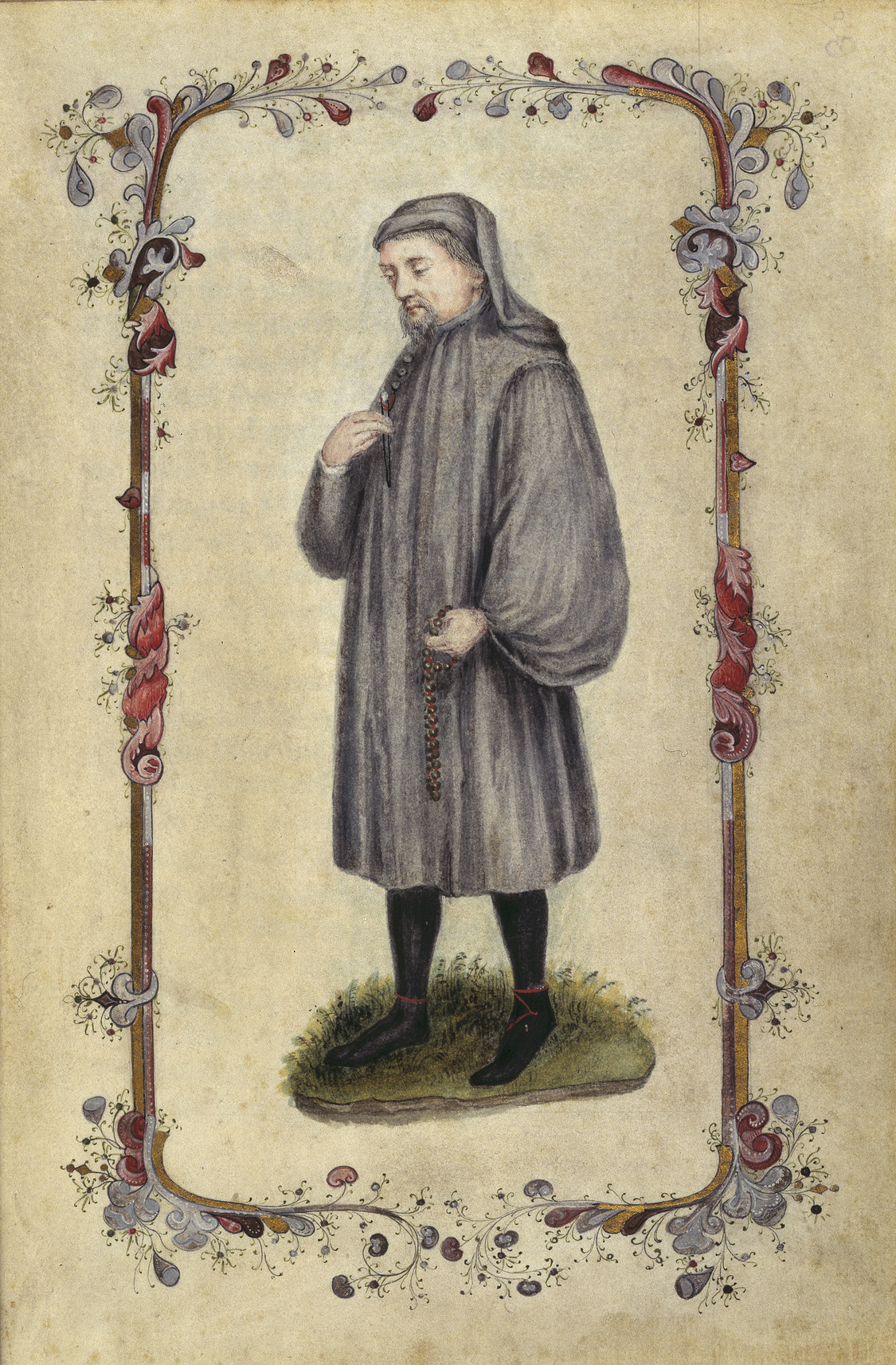
“It was the poet Geoffrey Chaucer and his contemporaries who began to portray Saint Valentine as the patron of the mating of birds and of lovers,” she explains.

By the time of Chaucer’s death in 1400, Valentine had already been transformed into a kind of companion to Cupid – a symbolic sponsor of lovers.” There is no evidence of a Valentine literary tradition prior to Chaucer, leaving historians uncertain as how or why the saint was first connected to love and courtship.
Nevertheless, as Constantinou points out scholars have suggested interesting possibilities “His name sounded pleasing, and his feast day fell at a moment when people believed spring was beginning, when birds sang again, flowers emerged, and thoughts turned toward love.”
From poetry to profit
Over time, these literary ideas were integrated into everyday customs and eventually into the marketplace. Today, Valentine’s Day is a massive commercial event across Europe, the US and beyond. In the UK alone, consumers spend an estimated £1.37 billion on the occasion, while retailers in Germany expect about €1.3 billion in Valentine’s related sales. Across Europe, the average per person spending averages between €85 and €105, echoing just how far spread the celebration has become. Overall, around 59 per cent of consumers worldwide now take part in some way.
Imported love
In Cyprus, Valentine’s Day has never been part of the Orthodox rhythm of the year. “Saint Valentine’s Day does not arise organically from either the liturgical year or the local cycle of saints’ feasts,” says Constantinou.
Although love is central to Orthodox theology, it is conveyed “through sacramental life, the veneration of saints, and communal ritual practices rather than through a singular, secularised ‘romantic’ day.”
Valentine’s Day was largely introduced to Cyprus through Western media and the global consumer culture and is, “is therefore often experienced as externally derived rather than religiously grounded.” As a result, its observance is optional and often “performative insofar as its main rituals – exchanging cards and gifts, or displaying affection in social media – function mainly as public signs rather than as communal or liturgical acts.”
Love before Valentine
Even if Valentine’s Day may feel imported, Cyprus already had its own associations with love and romance. It is after all, the mythical birthplace of Aphrodite and literary traditions reveal that romance was never absent from earlier cultures, it was just expressed differently.

Medieval texts covered a number of sections associated with modern romance. Byzantine novels portrayed lovers who experience “love at first sight, emotional suffering, separation, jealousy, a sequence of trials, and eventual reunion,” says Constantinou, while other genres express “longing, tears, devotion and inner conflict.”
This is reminiscent of modern love narratives suggesting that today’s expressions of romance have deep historical roots, even if Valentine’s Day itself does not.
Modern ritual
Valentine’s Day as we know it today is not ancient or universal. It is a modern ritual, shaped by poetry, culture and marketing, and adopted differently among different societies.
For some, it offers a convenient opportunity to express affection, for others, it remains easy to ignore. As Constantinou puts it, contemporary Valentine’s Day tends to frame love as “individualised, romantic and publicly performed.” In Cyprus this exists alongside older understandings of love shaped by family bonds, faith and community recognition.
The outcome is a hybrid landscape. Global romantic imagery circulates widely yet participation remains a personal choice rather than an obligation. “For some people, the day offers a new language for expressing love and affection. For others, it risks reducing love into a single, commercially scripted form – gift-oriented and temporally confined to an annual event”.
What began as an obscure saint’s feast, reshaped by poetry and influenced by commerce has become one option among multiple ways of expressing affection. What remains consistent is the emotion itself, the rituals may change but love continues to be expressed in multiple forms, across generations, traditions and everyday moments beyond a single date.





Click here to change your cookie preferences