
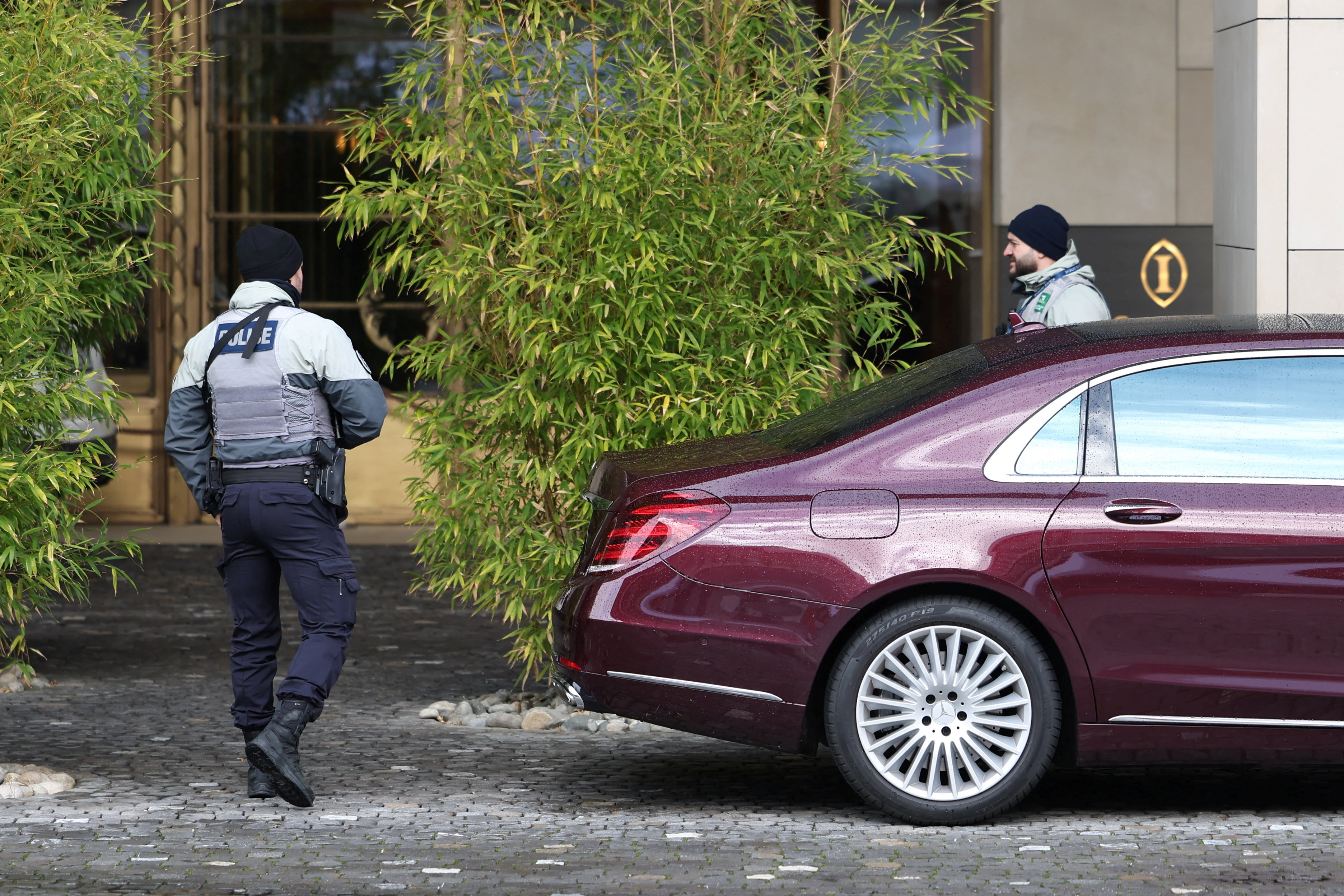
Negotiators from Ukraine and Russia gathered in Geneva on Tuesday for two days of U.S.-mediated peace talks that will focus on the main sticking point of land, with U.S. President Donald Trump pressing Kyiv to act fast to reach a deal.
Trump is pressing Moscow and Kyiv to reach a deal to end Europe’s biggest war since 1945, though Zelenskiy has complained that his country is facing the greatest pressure to make concessions.
Ahead of the talks, Russia carried out heavy airstrikes overnight across swathes of Ukraine, inflicting severe damage on the power network in the southern port city of Odesa, which Ukrainian President Volodymyr Zelenskiy said left tens of thousands without heat and water.
Zelenskiy called for Kyiv’s allies to increase pressure on Russia to reach a “real and just” peace deal via tougher sanctions and weapons supplies to Ukraine.
UKRAINE ‘BETTER COME TO TABLE FAST’, SAYS TRUMP
Trump pointed to Ukraine when asked by reporters what he was expecting from the talks in Geneva, which will follow a morning of negotiations between U.S. and Iranian officials at a different venue in the Swiss lakeside city.
“Well, we have big talks,” Trump told reporters aboard Air Force One. “It’s going to be very easy. I mean, look, so far, Ukraine better come to the table fast. That’s all I’m telling you.”
Russia is demanding that Ukraine cede the remaining 20% of the eastern region of Donetsk that Moscow has failed to capture – something Kyiv refuses to do.
“This time, the idea is to discuss a broader range of issues, including, in fact, the main ones. The main issues concern both the territories and everything else related to the demands we have put forward,” Kremlin spokesman Dmitry Peskov told reporters on Monday.
The venue has switched to Geneva after Abu Dhabi hosted two rounds of talks that both sides described as constructive but which failed to reach any major breakthrough.
U.S. envoys Steve Witkoff and Jared Kushner will represent the Trump administration at the talks, a source told Reuters.
In a rare attempt to negotiate two major global crises simultaneously, they will attend the morning indirect negotiations with Iranian officials in Geneva before racing across town to mediate the talks between Ukraine and Russia.
The Geneva round comes just days before the fourth anniversary, on February 24, of Russia’s full-scale invasion of its much smaller neighbour. Tens of thousands of people have been killed, millions have fled their homes, and many Ukrainian cities, towns and villages have been devastated by the conflict.
Russia occupies about 20% of Ukraine’s national territory, including Crimea and parts of the eastern Donbas region seized before the 2022 invasion. Its recent airstrikes on energy infrastructure have left hundreds of thousands of Ukrainians without heating and power during the course of a harsh winter.
EXPECTATIONS LOW FOR SIGNIFICANT BREAKTHROUGH
The Kremlin said the Russian delegation would be led by Vladimir Medinsky, an aide to President Vladimir Putin.
However, the fact that Ukrainian negotiators have accused Medinsky in the past of lecturing them about history as an excuse for Russia’s invasion has further lowered expectations for any significant breakthrough in Geneva.
Military intelligence chief Igor Kostyukov will also take part in the talks, while Putin’s special envoy Kirill Dmitriev will be part of a separate working group on economic issues.
Speaking at the annual Munich Security Conference on Saturday, Zelenskiy said he hoped the Geneva talks would prove “serious, substantive… but honestly sometimes it feels like the sides are talking about completely different things”.
Kyiv’s delegation will be led by Rustem Umerov, the secretary of Ukraine’s national security and defence council, and Zelenskiy’s chief of staff Kyrylo Budanov. Senior presidential aide Serhiy Kyslytsya will also be present.
Before the delegation left for Geneva, Umerov said Ukraine’s goal of “a sustainable and lasting peace” remained unchanged.
As well as land, Russia and Ukraine also remain far apart on issues such as who should control the Zaporizhzhia nuclear power plant and the possible role of Western troops in postwar Ukraine.





Click here to change your cookie preferences