
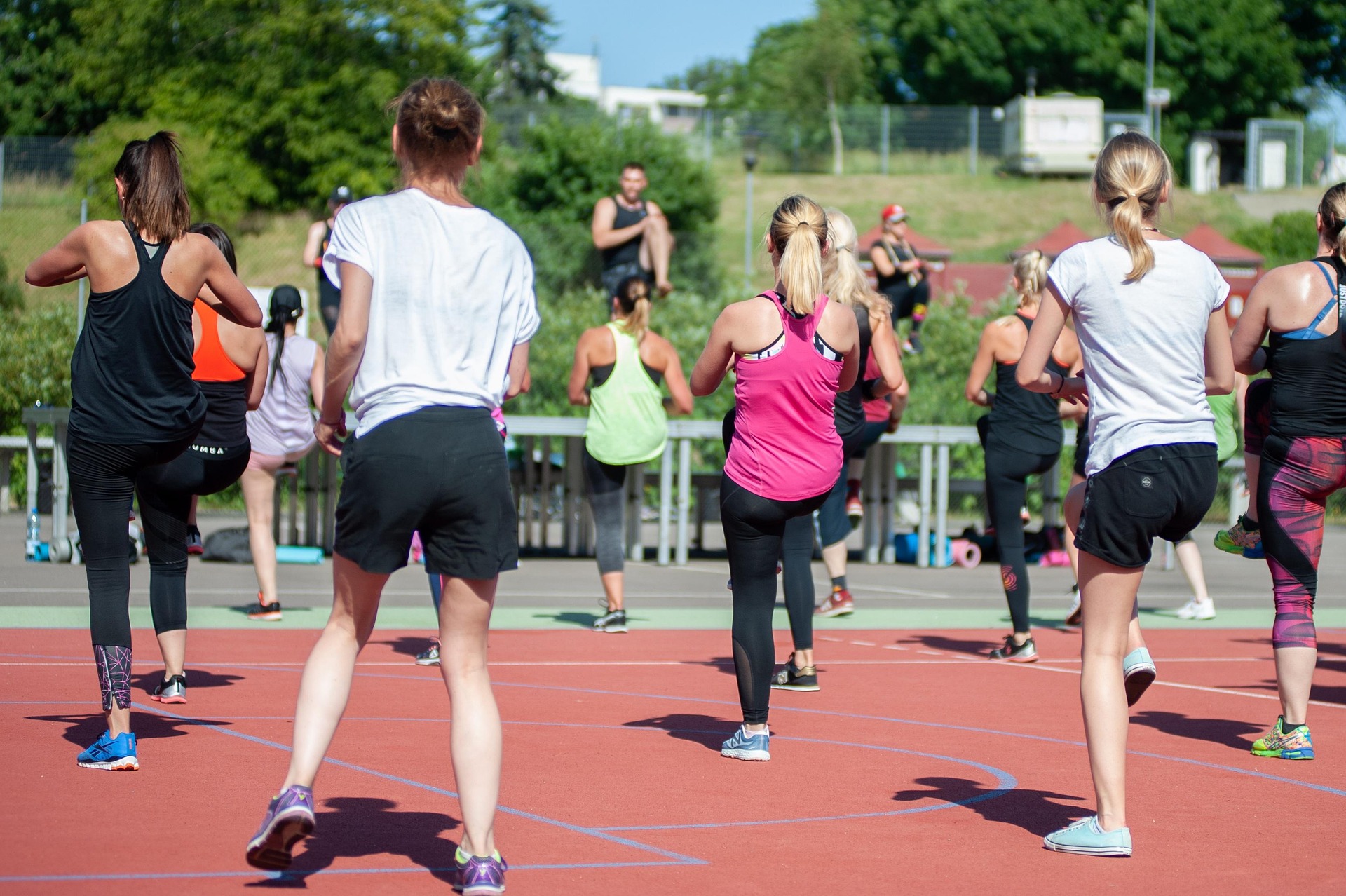
Over recent decades, life expectancy has steadily increased across most developed societies. Yet the real challenge of our era is no longer simply to live longer, but to live better – with health, functionality and autonomy. At this critical intersection, exercise is not a luxury, nor merely a leisure activity. It is a fundamental pillar of longevity and quality of life.
The scientific community consistently identifies regular physical activity as one of the most important modifiable health factors. In simple terms, it is something all individuals can influence, regardless of age, profession or social background. Unlike genetic predispositions or environmental limitations, movement remains a choice – and one with profound consequences.
Exercise and the human body
Regular physical activity positively affects almost every system of the human organism. It improves cardiovascular and respiratory capacity, regulates metabolism, strengthens the immune system and significantly reduces the risk of chronic diseases such as cardiovascular conditions, type II diabetes and osteoporosis.
It is no coincidence that individuals who follow an active lifestyle present lower mortality rates and increased life expectancy compared with those who remain physically inactive. Exercise essentially functions as a natural medicine – effective and without side effects when applied correctly and consistently.
However, the benefits are not limited to disease prevention. Exercise enhances energy levels, improves sleep quality and supports hormonal balance. In a world where fatigue and burnout are increasingly common complaints, movement acts as a biological reset mechanism, restoring the body’s equilibrium.
Longevity means functional independence
Longevity gains real value only when accompanied by functional independence. Living longer but dependent on assistance diminishes both dignity and quality of life.
Exercise preserves muscular strength, balance, flexibility and neuromuscular coordination – all crucial elements for daily autonomy. From simple activities such as walking and climbing stairs to carrying groceries or maintaining posture, physical competence determines whether ageing becomes a limitation or merely a stage of life.
Particularly in older age, systematic exercise significantly reduces the risk of falls and injuries, limits disability and allows individuals to remain active members of society for more years. Independence is not accidental; it is trained.
Mental health and quality of life
The benefits of exercise extend beyond the body into the mind. Physical activity reduces stress and symptoms of depression, improves mood and enhances cognitive function. At the same time, it delays cognitive decline associated with ageing.
Modern societies face an increasing burden of psychological strain – anxiety, isolation and mental fatigue. Exercise provides a stabilising anchor. It regulates neurotransmitters, strengthens emotional resilience and promotes clarity of thought.
Mental balance is a fundamental component of longevity because it directly influences daily choices, behaviour and participation in social life. People who feel psychologically well are more likely to maintain healthy habits, build relationships and remain productive.
Public health and social responsibility
On a societal level, exercise is one of the most powerful preventive health tools available. Integrating physical activity into daily routines reduces morbidity rates, limits healthcare expenditure and helps address the challenges of an ageing population.
Prevention is always more effective than treatment. Encouraging movement – through urban design, education and community programmes – represents a long-term investment in sustainability.
Beyond health, sport cultivates values essential for social cohesion: discipline, cooperation, respect and perseverance. Communities that move together function better together. The benefits therefore extend far beyond individual wellbeing to collective stability.
The role of the scientific fitness advisor
Within this framework, the role of the scientific human fitness advisor becomes decisive. Exercise is not a universal formula. It requires assessment, personalisation, safety and scientific documentation.
Improper training can lead to injury or abandonment. Proper guidance, on the other hand, transforms exercise into a lifelong habit. Designing safe programmes, monitoring progress and educating the public are essential conditions for sport to function as a health tool rather than a risk factor.
The responsibility is twofold: to protect individuals and to empower them with knowledge. People do not need extreme performance goals – they need sustainable activity adapted to their abilities and needs.
Adding life to years
Exercise remains one of the strongest allies of longevity and healthy ageing. It does not simply add years to life; it adds life to years.
In a society that is ageing demographically while accelerating technologically, movement becomes a stabilising constant – a return to biological reality. Our bodies were designed for activity, not prolonged inactivity.
Investing in physical activity is therefore not optional. It is necessary – medically, socially and economically. The future of public health will not be determined only in hospitals, but in parks, schools, walking paths and daily habits.
Longevity begins not with a medical prescription, but with a decision: to move.



Click here to change your cookie preferences