
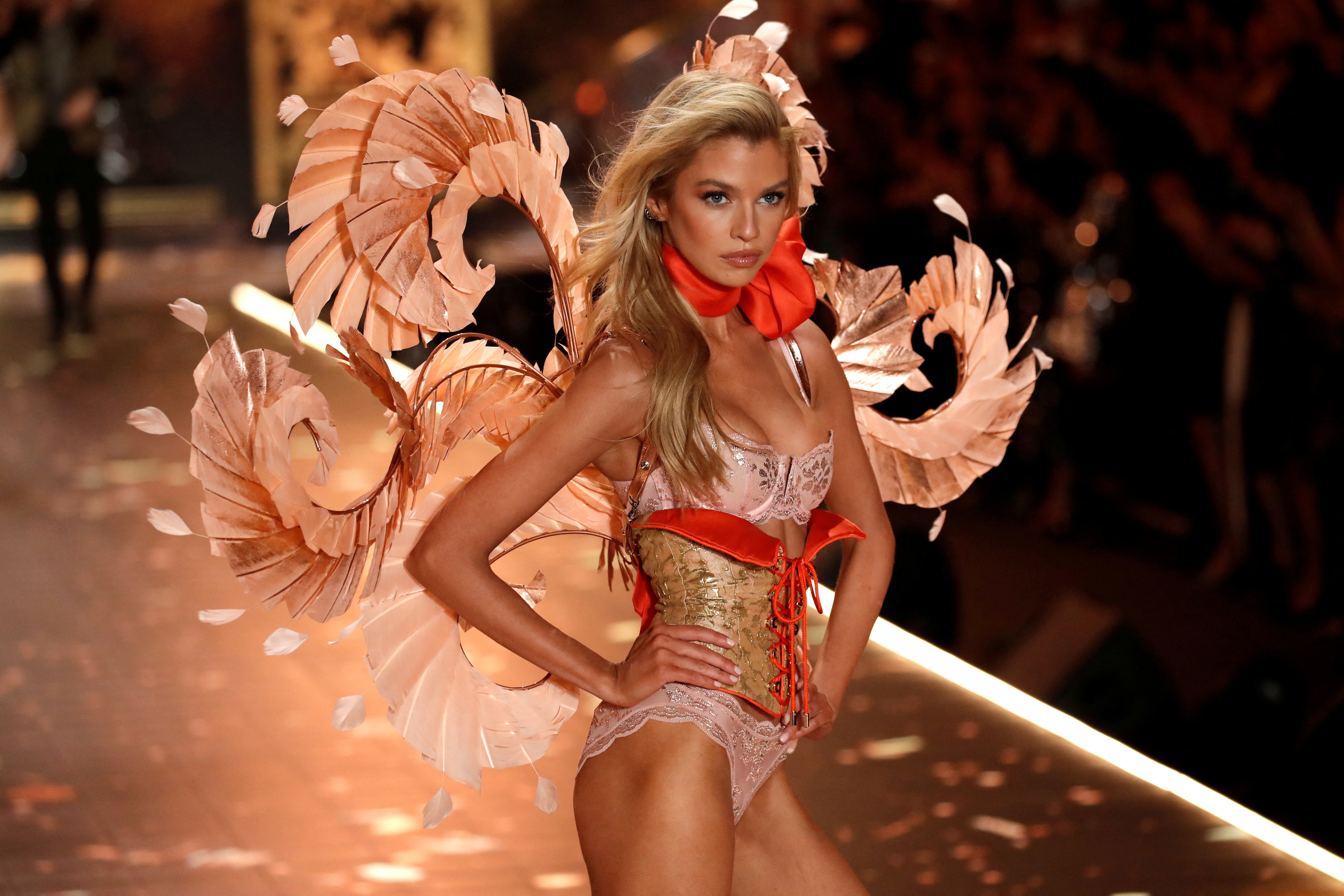
After a century of bras, we still wear the wrong size. Blame the patriarchy
By Louise Nahas
One of life’s most infuriating ironies is that though society sexualises the curves of a woman’s body, when it comes to fashion, you’d think they’re selling to benches. From gaping jeans, to shirts that won’t button up, to bras that just don’t fit. It’s over 100 years since the bra was invented, and we are still struggling to find one that offers support and comfort.
For those with a fuller bust, a bra affects almost everything: how you move, how your clothes sit, and how you feel in your own body. Wearing the wrong bra size can feel demeaning. From boob spillage and digging bands to bras so big they leave you shapeless. And don’t get me started on boob sweat.
A bra is supposed to hold you together, complement your shape and make you feel comfortable. I’m no doctor, but it’s hard not to wonder how many women might experience less back pain if they were actually wearing the right size, especially when we know 80 per cent aren’t.
Beyond posture and support, the right bra can transform how you carry yourself and how you feel mentally. Anyone who has experienced the humiliating ritual of constant fidgeting in public, and the double-boob – visible even under jumpers – knows how soul crushing this is. Many end up feeling insecure, wanting to make themselves smaller, and just generally retreating inwards.
When a bra truly fits, the change is immediate. Your figure looks different, your posture shifts, and your confidence follows. It sounds dramatic, but a bra can change your life; it can change everything, from comfort to mood to personal style.
So why are some of us forced to endlessly search for niche brands just to find underwear?
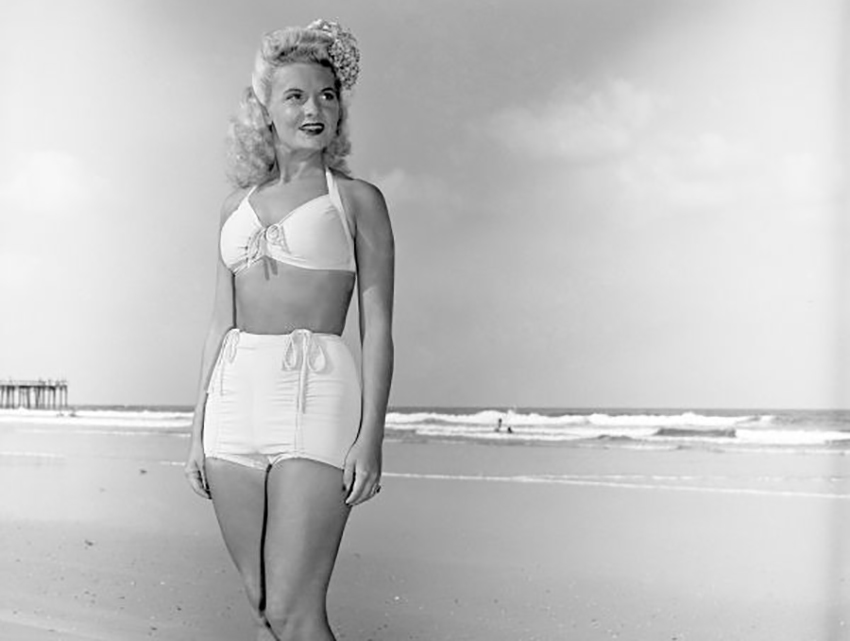
In the early 1900s when the bra was invented, production companies were simply going by Small, Medium and Large. Later, in the 30s the alphabet system was introduced. In these early systems A – D remained the primary options for most manufacturers. Completely fair enough, early days of the industry.
On the standard bra fitting scale, there are up to 132 different size variations! Realistically, we cannot expect stores to carry all sizes, a business will carry cost and inventory risks.
But how did we end up with merely a fraction of the options?
Designing bras and clothes for fuller busts requires different patterns, stronger materials and better construction. A 36G bra needs different engineering than a 32B.
But as we know: Smaller sizes = less material = higher profit margins. Simpler patterns = faster production = more product churn.
Serving broader body types slows down the fast fashion engine, and that’s bad for brands fixated on revenue. It’s much more profitable to push what are known as sister sizes to sell stock than expanding on size range.
A sister size can be seen as your ‘alternative’ size, where the cup volume stays the same even though the band changes. So if you’re a 36G and the store doesn’t carry it, you might be offered a 38F instead. There’s nothing technically wrong with this, but it’s meant to be temporary. The band does 80 per cent of the work, so when that number is off, support disappears and the straps start working overtime.
The real problem is that this loophole has become standard practice, creating a lack of education around bra sizing and leading to a generation of women in the wrong size.
So while we acknowledge and appreciate the nuances behind running a business, it goes much deeper than that. Brands don’t sell clothes, they sell an image. Once you see how much of our society comes from archaic social constructs set by the patriarchy, you just can’t unsee it.
Bras weren’t invented by the ‘patriarchy’, BUT expectations around what women’s breasts should look like in public were largely shaped by patriarchal norms: the male gaze, social expectations, and male-dominated institutions. This is the root of what has shaped what we know today as ‘beauty standards’ across history.
Keeping this context in mind, helps us understand a little more of where we are today. Mainstream businesses follow whatever the current beauty standard is. And since the 1930s, that has largely been slimmer bodies with minimal curves. Cinema, movies and all areas of fashion fuel this skinny engine, as all industries profit from it.
Most lingerie brands are competing with each other, selling the same fantasy to the same audiences. I always think of an 80s style Wall Street market. Just sell sell sell! We don’t have the time to stop and cater to everyone. Stuff people into as many of the same sizes as possible. Anyone who doesn’t fit the mould can seek out specialist brands.
Beyond time and money, brands have an identity to protect. They fear that showing more diverse body types might “confuse” their aesthetic or “dilute” their image. It’s all about controlling the fantasy that sells.
Speaking of fantasy, many of the lingerie brands that shaped the modern market were built around aesthetics first, with support and fit coming second. Over time, this emphasis helped turn sizing into something symbolic rather than practical: the ‘D cup’ sensationalised and the importance of the back (band) size overlooked. Manipulating bra sizing practices to benefit their profit margins, brands successfully achieved offering a variety on the rack which is merely an illusion of choice, leaving a significant number of women with no options at all.
I got into bras because ever since I was a 12 year old schoolgirl, if I wasn’t looking outside the window day dreaming, I was looking inside my top, rearranging my apricots. I always struggled finding a bra that fit. My poor mother would endlessly run around Limassol’s Anexartiseas, looking for a bra for her teenage daughter, who’d somehow stopped growing in height, but whose chest would double in size every other month.
Shop assistants? Not helpful. In fact, I remember one trying to sell me a push up bra…at 15?! I was already having a hard time fitting the girls in, and you’re trying to sell me a push up bra? This is the whole problem we have with bras today; in most stores, sales assistants are not trained in specialised fitting. The spread of misinformation literally comes from the source.
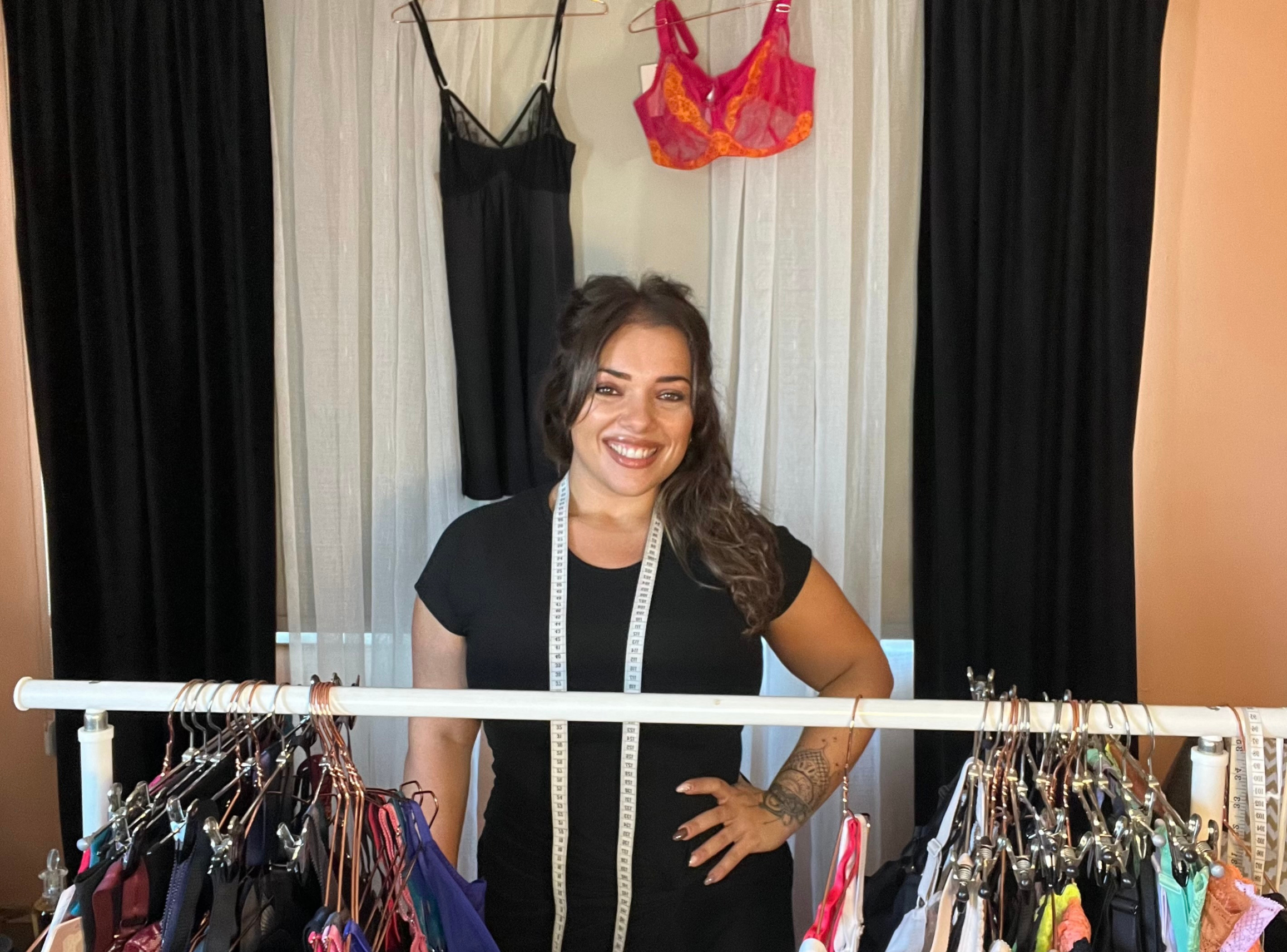
At 28, I moved back to Cyprus and was still wearing bras that resembled something your Pappou used to bag up potatoes from the field, and I had finally had enough. I listened to my female rage and created APRICOT.
I import bras from suppliers who specialise in D+ cup sizes, and alongside selling online, I host private bra-fitting sessions in my studio. Women come in for a full one-on-one consultation, where I measure them and they can try on and buy bras on the spot.
With APRICOT, my goal isn’t just to sell bras, but to give fuller-busted women the comfort, confidence and dignity they’ve been missing for so long. For me, bras are much more than underwear. I want women to feel seen, supported and truly catered to. I know too well the disheartening feeling of not fitting into clothes, and how deeply that can affect our mood, our sense of femininity, and how we feel about ourselves.
I will never forget my first client. She nervously walked in and as we started speaking and sharing our experiences, we both realised this was a safe space. We could relate to the horrors of clothes shopping in Cyprus. She was about 2 or 3 cup sizes smaller than me yet she was so apologetic about her size, thinking for sure I wouldn’t be able to help her. Not only was I able to help her, but I had her size in abundance.
What stayed with me most was that her husband had to persuade her not to cancel our appointment. Previous experiences with sales assistants had left her feeling so judged that she was genuinely anxious about coming. Our session ended in a tearful hug, and a woman who had been helped to find her true fit.
No matter your confidence levels, when a specific image, complete with exact measurements of what you’re supposed to look like to be ‘accepted’ is constantly sold to you, it inevitably makes you doubt yourself. So, we can’t change the world, but we can change our outfits.
Every woman deserves to dress with dignity and a good bra will not only change your comfort levels but it’ll change your life. It all starts from within and radiates out. That’s how you feel as good as you look.





Click here to change your cookie preferences