
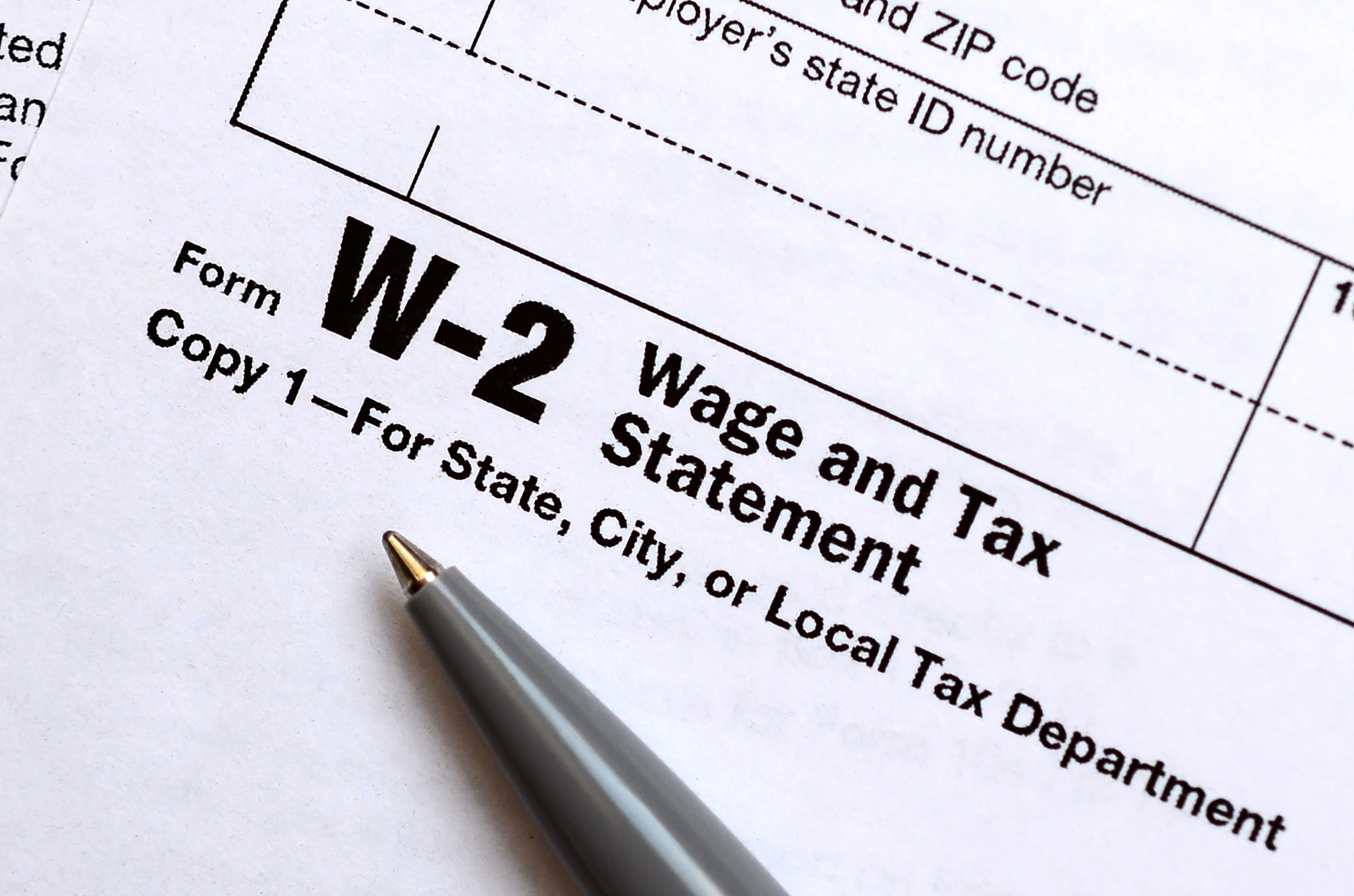
As the 2026 US tax filing season approaches, its significance extends far beyond the borders of the United States. While many associate tax season with domestic deadlines, deductions, and refunds, the ripple effects of the US tax system are increasingly felt across global economies. For multinational corporations, foreign investors, expatriates, and international contractors, understanding the nuances of US tax filings has never been more crucial.
The global reach of US tax policy
The United States maintains one of the most complex tax systems in the world. The Internal Revenue Service (IRS) requires U.S. citizens and residents to report their worldwide income, meaning Americans living abroad must still adhere to U.S. tax rules. Furthermore, the US tax system affects foreign businesses that engage in trade or investment within the country. This global reach underscores why the 2026 tax season is not merely a domestic affair but an event with international implications.
For multinational corporations, compliance with US tax regulations ensures smooth operations and avoids penalties that could affect global financial reporting. Many foreign firms must prepare for reporting requirements, such as the Foreign Account Tax Compliance Act (FATCA), which compels non-US financial institutions to report accounts held by US taxpayers. Failure to comply can result in hefty fines and strained international business relations.
Implications for foreign investors
International investors in US stocks, bonds, or real estate must also pay attention during the 2026 tax season. Withholding taxes on dividends and interest, capital gains considerations, and treaty benefits can significantly impact returns. Proper reporting ensures that investors take advantage of tax credits and avoid unnecessary penalties. Platforms that streamline tax form access, like ThePayStubs W2, can simplify the process for investors who need to track earnings statements and other documentation from US-based sources.
Moreover, US tax filings often influence investment decisions abroad. For example, changes in corporate tax rates or deductions can make certain US investments more or less attractive, affecting global capital flows. International financial advisors monitor these filings closely to provide clients with guidance that aligns with both US tax law and home-country tax requirements.
The expatriate and remote worker perspective
Expatriates and remote workers are another group for whom the 2026 tax season carries weight. US citizens working overseas may face double taxation if they are not careful. The IRS offers tools like the Foreign Earned Income Exclusion (FEIE) and foreign tax credits to help mitigate this, but proper filing is essential. Missteps can lead to fines, delayed refunds, or complications in home-country tax reporting.
Remote work has expanded rapidly in recent years, with many employees living abroad while working for US companies. This creates additional payroll considerations, including Social Security contributions, withholding for state taxes, and proper documentation for tax authorities. Digital solutions such as a paystub generator can simplify the creation of accurate pay stubs for employees, ensuring compliance and providing necessary records for both US and international tax reporting.
Small businesses and freelancers
The global significance of the US tax season extends to freelancers and small business owners who operate across borders. Online marketplaces and international service providers often deal with clients in the US, requiring careful attention to invoicing, payroll, and tax forms. Using online tools and templates helps small businesses manage compliance efficiently, reducing the risk of audits or penalties.
For freelance professionals working with US clients, the tax season highlights the importance of maintaining detailed records. Proper documentation, such as pay stubs and income statements, enables smooth preparation of forms like the 1099 or W-2. Platforms offering automated tools streamline this process, allowing freelancers to focus on their work without compromising legal compliance.
The role of technology in global compliance
Technology has become an essential ally in navigating the complexities of US tax filings. Automated platforms and software help individuals and companies generate necessary documents, track deductions, and file accurately. Beyond efficiency, these solutions reduce errors that could trigger audits or fines.
For global businesses, cloud-based solutions enable collaboration between US accountants and international finance teams. Features such as payroll management, automated form generation, and secure document storage allow firms to meet both US and local regulatory requirements. The integration of such tools not only simplifies compliance but also enhances transparency in financial reporting.
Why staying informed matters
Understanding the global impact of the 2026 US tax filing season is critical for anyone connected to the US economy. Staying informed ensures compliance, reduces financial risk, and allows businesses and individuals to optimize their tax strategies. The interconnected nature of global finance means that decisions made during US tax season often have repercussions worldwide, influencing investment decisions, corporate planning, and individual financial health.
Additionally, being proactive during tax season can help mitigate potential pitfalls for both domestic and international stakeholders. From multinational corporations and foreign investors to remote workers and freelancers, accurate reporting and careful documentation are essential to maintaining financial stability.
Conclusion
The 2026 US tax filing season is far more than a domestic routine; it has far-reaching consequences for the global economy. Compliance with IRS regulations, accurate reporting of income, and careful attention to tax forms affect businesses and individuals worldwide. With the aid of modern tools for accurate payroll records, navigating this complex landscape becomes manageable.
As the world becomes increasingly interconnected, understanding the broader implications of US tax season is not just prudent; it is essential. Being prepared and informed allows individuals and organizations to thrive in an environment where tax compliance crosses borders, impacting financial planning on a truly global scale.
DISCLAIMER – “Views Expressed Disclaimer – The information provided in this content is intended for general informational purposes only and should not be considered financial, investment, legal, tax, or health advice, nor relied upon as a substitute for professional guidance tailored to your personal circumstances. The opinions expressed are solely those of the author and do not necessarily represent the views of any other individual, organization, agency, employer, or company, including NEO CYMED PUBLISHING LIMITED (operating under the name Cyprus-Mail).





Click here to change your cookie preferences