
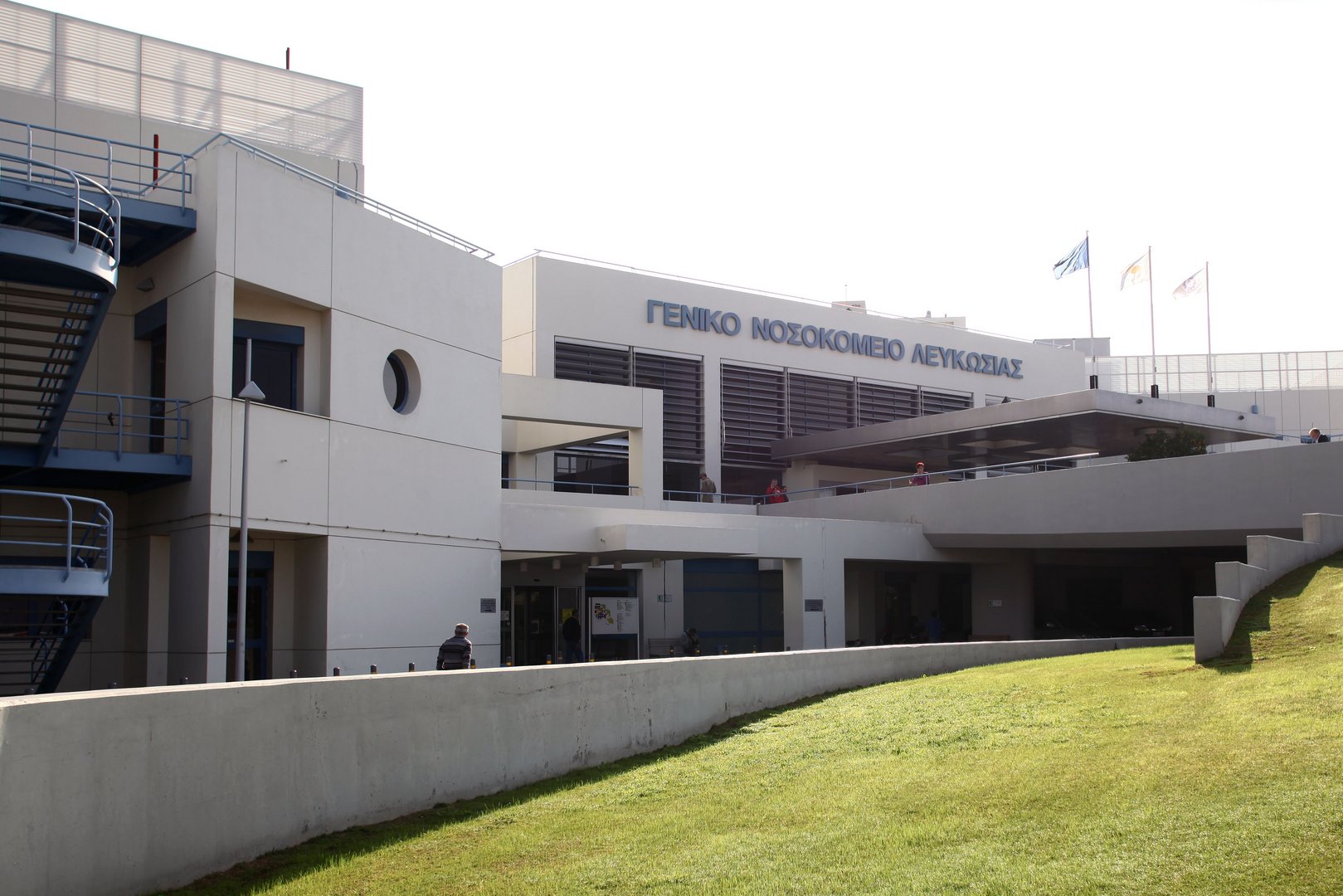
People having to wait long hours before being admitted as inpatients, malfunctioning equipment and irregular paperwork, were some of the findings of a surprise inspection at state hospitals discussed in parliament on Thursday.
The unannounced visit by Audit Office functionaries had taken place around midnight on the evening of September 30 last year. They visited the accident and emergency (A&E) units at the Nicosia and Limassol general hospitals.
Their task was to document organisational and procedural flaws, rather than check the quality of healthcare service given to patients.
The Audit Office later published the relevant report, dated February 19 this year.
On the upside, the audit found that both A&E units were adequately staffed by medical personnel. Specialist doctors and resident doctors alike were physically present and responded within the 30 minutes standard time.
But beyond these formalities, the inspection flagged a number of issues.
For example, there were cases where for A&E patients admitted as inpatients, the admission paperwork was signed by the resident doctors and not by the specialist doctors on duty – in breach of Okypy (state health services organisation) regulations. The papers bore the signature of the resident doctor, without any indication that he or she had conferred with the specialist before signing.
According to the Audit Office, this practice poses the risk of erroneous or inadequately substantiated clinical decisions, with possible adverse impacts on the service provided to patients. In addition, it might put Okypy (and the involved doctors) in legal liability.
Elsewhere the report highlighted the long waiting times for patients visiting A&E units and later admitted as inpatients.
At Nicosia general hospital, the average time before being admitted as an inpatient clocked in at five hours and 15 minutes; at Limassol general, it was two hours and 49 minutes.
And in one case at the Nicosia hospital, a patient was kept waiting 11 hours and 28 minutes at the A&E before finally being processed as an inpatient.
Addressing these delays, Okypy said that between the hours of 3am and 6am specialist doctors on duty get briefed only on cases deemed urgent. For cases not deemed urgent, the on-call doctor gets briefed at 6am.
The inspection also found problems with the operation of the CT scan at Nicosia general. The machine was not operational, and as a result patients had to be transferred to a private healthcare facility – contracted with Gesy. The agreement between Nicosia general hospital and the private clinic offering the CT scan, for a fee, provided only for carrying out the examination itself, without the medical diagnosis by a radiologist.
As for the official diagnosis for a CT scan, this was provided remotely by a specific healthcare provider in Greece – even though a radiologist was on call at the time at Nicosia general.
The same CT scanner had experienced two malfunctions within a short period of time, raising questions about maintenance.
The report notes that in late June 2025, the hospital had taken delivery of a brand-new CT scanner costing €1.5 million. The machine has not worked to this day.
However in parliament, responding to these observations, health officials said the machine is now operational.





Click here to change your cookie preferences