
For both space novices and engaged experts, the stars are no longer out of sight
From observatories to space clubs, in recent years Cyprus has entered a mini-space race of its own, transitioning from being a peripheral observer to an active participant in international space research.
Major advancements in innovation, government funds and astronomical observation structures have been created. At the same time, the Cyprus Space Research and Innovation Centre is preparing to unveil the first domestically developed satellite within the year, while on February 12, a strategic agreement for cooperation was signed between the island and Greece, marking a significant step towards closer collaboration in space research and observation.
But to what extent is the public involved in this new era of advancements and how accessible is it truly to those interested in space?
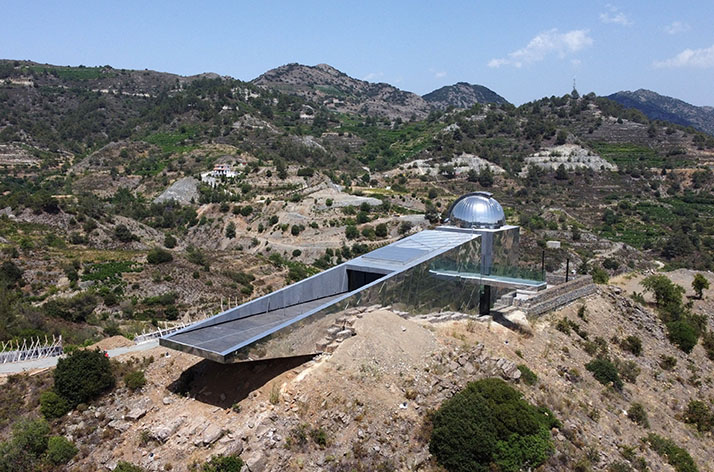
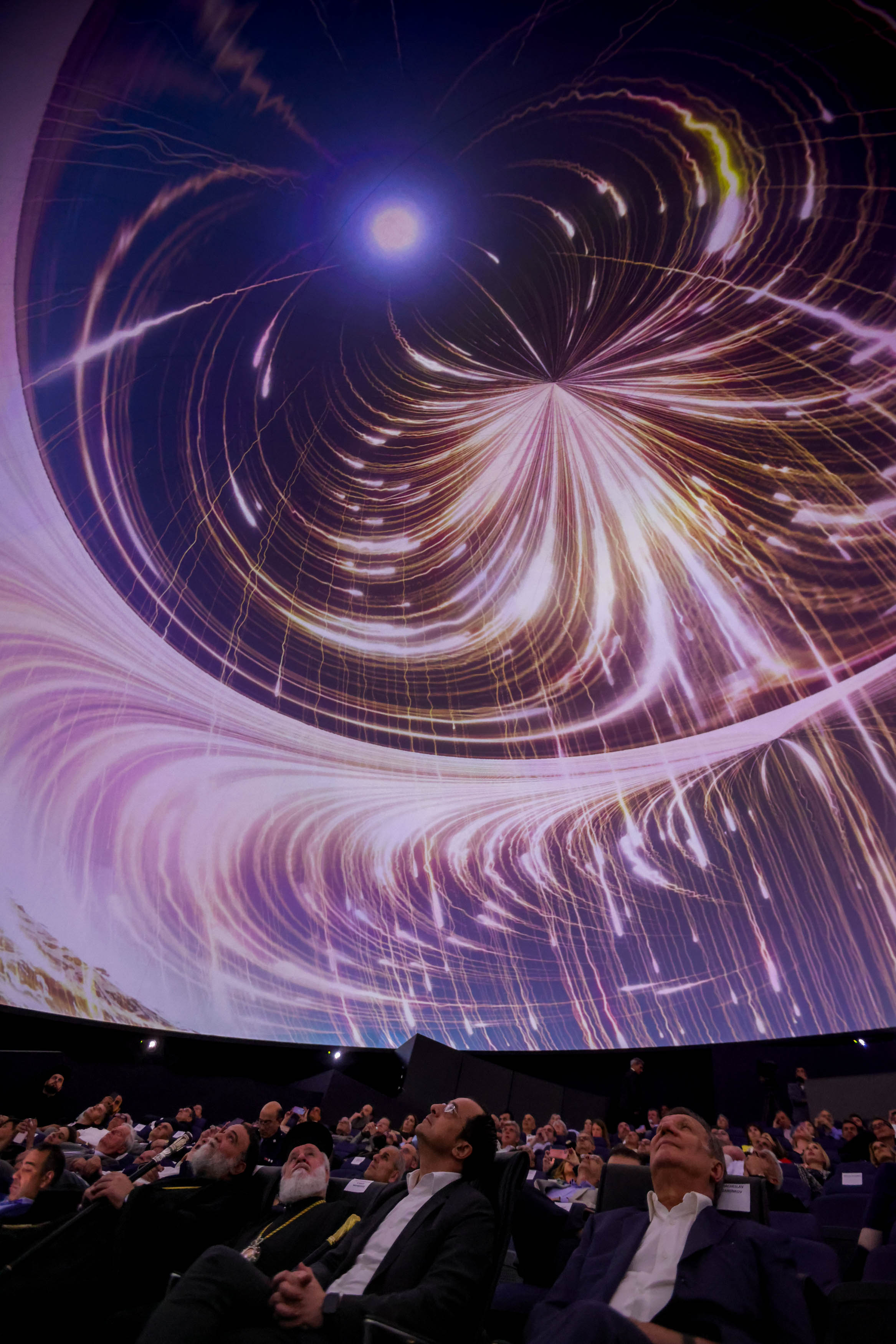
A surge of space observatories has recently taken over the island. The most recent addition is the Troodos Space Observatory near the village of Agridia, within the Troodos Unesco geo-global park. Inaugurated in 2024, it is the island’s most advanced observatory, boasting a 20-inch telescope in an impressive 360-degree rotating dome. The telescope allows for ‘deep-space viewing’ – referring to galaxies and nebulae. It is one of two recent facilities on the island, the other being the Cyprus Planetarium, which opened in 2023 and is the largest in the Eastern Mediterranean.
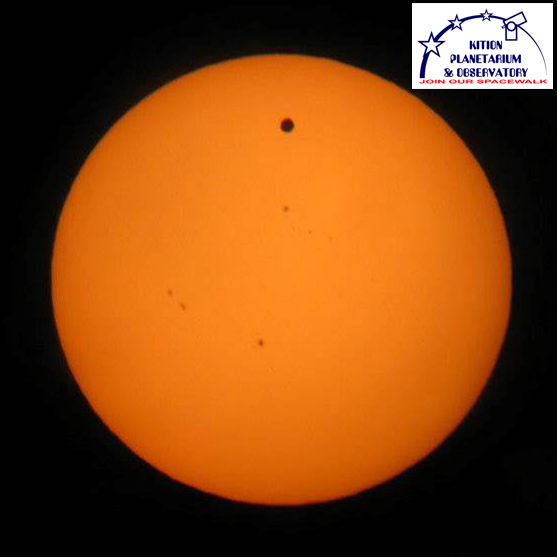
The island’s oldest space facility, the Kition Planetarium & Observatory, first opened its doors in 2008 under founder George Troullias. Apart from what was then a space ‘desert’, the planetarium promoted public engagement with astronomy and astrophysics through study and experimentation, bridging entertainment and education for audiences who might otherwise never have encountered the field.
The spark that ignited Cyprus’ inaugural space centre was its mission to make astronomy accessible to those who never studied astrophysics in school or university.
“Gone are the days when space was a distant concept accessible only to the select few in power,” George Danos, chairman of the Cyprus Space Exploration Organisation (CSEO), tells the Cyprus Mail. “The space community in Cyprus is vibrant, growing, and remarkably accessible.”
In recent years, observatories and planetariums have evolved from being viewed solely as educational tools. They no longer pose merely as “schools, theatres, and cinemas all in one; schoolrooms under the vault of the heavens, a drama with celestial bodies as actors” -as professor Elis Strömgren, director of the Copenhagen Observatory put it in the early 20th century. Today, space observatories serve a dual purpose: one of education and one of entertainment.
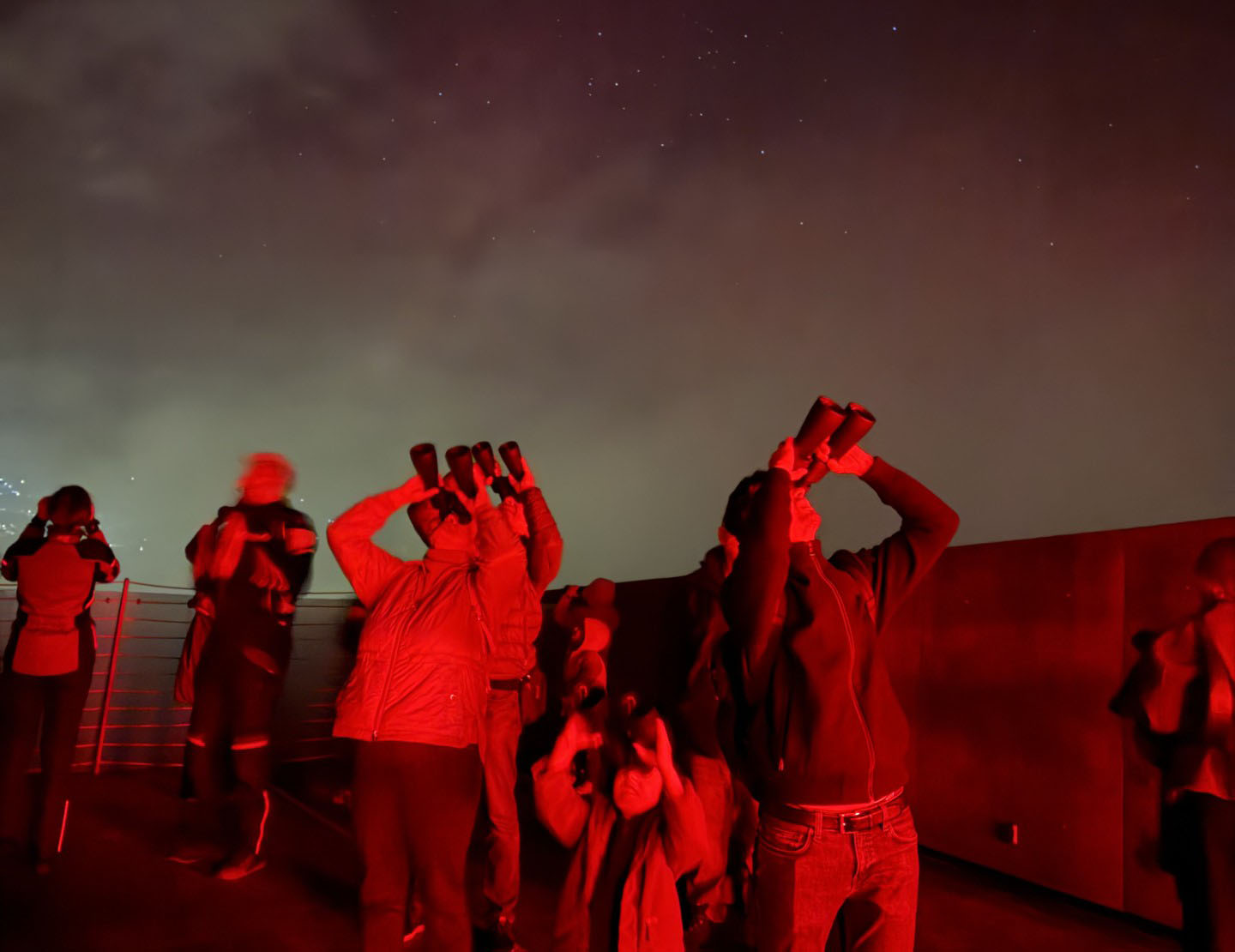
An array of recent events indicate that the two can go together while remaining firmly space themed. From the Kition Planetarium and Observatory’s Star Parties to the Troodos Observatory’s recent Valentine’s Day wine tasting and stargazing, today’s space organisations prove that entertainment and education can go hand in hand.
Astronomy has historically been tied to wealth and financial comfort, making it impossible for most to participate. While the first planetarium as we know it today debuted in 1923, the idea of using a dome to project the night sky was far from new.
Religion, the night sky and the existential unknown often shared space in believers’ minds. Many moons ago, hundreds of religious buildings featured domes with murals of night skies, planets, and constellations. But extreme costs and hard-to-attain knowledge of the cosmos not only made planetariums rare but turned them into symbols of knowledge and power. They only became ubiquitous in the last 80 years, just before the infamous space race of the 1960s.
“We actively keep astronomy and science events free or very affordable,” Christos Triantafyllides, CEO of the Cyprus Planetarium, tells the Cyprus Mail. Ensuring accessibility is the management team’s cornerstone.
“We want people from all backgrounds to experience and learn about space without financial restrictions,” he adds.
The Kition Planetarium’s Star Party, celebrating the organisation’s 18 years, costs €15 per person the same as a children’s regular day pass. At the recently inaugurated Troodos Observatory, regular day tickets are €5 for students and €7 otherwise – certainly cheaper than a spending few hours in a mall. On the other hand, a Valentine’s Day ticket there set you back a sizeable €100 per person, but that included a wine tasting session, a multi-course dinner, a uranography course and stargazing through telescopes.
Space observatories have evolved from specialised scientific tools into user-friendly entertainment hubs catering to all expertise levels.
“All stargazing sessions are guided by experts, so no prior knowledge or equipment handling is required,” says Triantafyllides.
Modern observatories ensure even those with more than average knowledge still learn something new. Space observation in Cyprus caters to amateur astronomers through to specialised sessions. Entry-level activities focus on guided observations and basic concepts, while advanced visitors enjoy detailed discussions, specialised observations, and expert support, says Triantafyllides.
Numbers of space enthusiasts have risen steadily, as “the true magic lies in human connection,” Danos says. The Troodos Observatory views on-demand space knowledge “not as a competitor, but as a catalyst.” When people encounter high-resolution images from the James Webb Space Telescope, they often ask, “Can I see that for real?” Content available digitally acts as a global marketing campaign for the physical experience the observatory offers.
In November, Nicosia hosted the 6th Global Space Symposium, welcoming over 300 global space exploration legends like Hungary’s Gyula Cserényi and Nasa representatives.
“We watched with pride as children and students interacted directly with astronauts,” Danos recalls. The event was, of course, free of charge.
“Historically, space may have been for the wealthy, but CSEO is dismantling that barrier,” he points out.
Another sign that space is more accessible than ever is the surge in personal telescope ownership. While casual curiosity can be satisfied online, the Troodos Observatory has recorded growing numbers of highly motivated enthusiasts seeking expert explanations, live observations, and structured learning to build on what they have already consumed digitally.
“The questions are getting smarter. Ten years ago, visitors asked ‘How far is the moon?’ Now, thanks to YouTube and instant data, they ask about event horizons and exoplanets,” a representative from the observatory says.
The island’s observatories prove once again that while information is easily accessed online, it can never fully replace the authentic experience and direct interaction with field experts.
“Easy online access has made visitors more familiar with basic concepts, allowing the planetarium to focus on deeper explanations, real observations, and guided interpretation, which cannot be replicated online,” Triantafyllides says.
The CSEO, Kition Observatory, the Cyprus Planetarium and the Troodos Observatory believe that great scientific breakthroughs can be found locally, as long as knowledge stays accessible.
“We need to ensure space observation and research remain within reach because we are constantly training the mentors of tomorrow,” Danos says.
Choosing to spend the day exploring an observatory over a mall is proof of space’s newfound accessibility.
As Danos says: “we believe a spark has been ignited in the next generation of Cypriot explorers, proving the stars are no longer out of reach.”
Cyprus Planetarium: 22 278700 [email protected]
Troodos Observatory: 25 314556 [email protected]
Kition Planetarium & Observatory: 99 991111 [email protected]

Click here to change your cookie preferences