
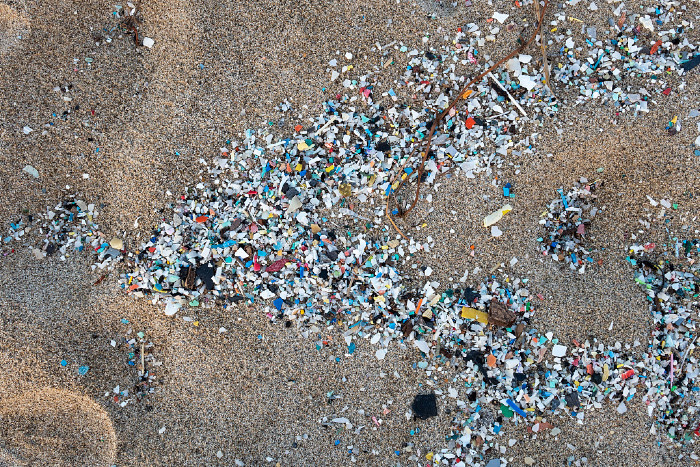
AKTI study and research centre president Xenia Loizides called for targeted measures to tackle plastic pollution along the Paphos coast, warning that high concentrations of microplastics have been recorded in the district for several years.
In the centre’s statement issued on Tuesday, Loizides said the issue is neither new nor unexpected, pointing to data collected through a well-established monitoring programme carried out by AKTI since 2022.
According to the organisation, systematic measurements are conducted four times a year on ten beaches across Cyprus, with some beaches in Paphos recording concentrations of up to 4,000 microplastics per square metre.
She said the findings had already been presented at scientific conferences and stressed that the scale of the problem had been documented through research rather than recent observations alone.
Loizides expressed surprise at the intensity of recent public discussion surrounding the issue, explaining that elevated concentrations of microplastics are generally observed during the winter months.
She suggested that recent strong wave activity across the Levant may have increased the deposition of plastic particles along the coast during the summer period, making the problem more visible to the public.
Addressing the sources of pollution, she said significant quantities of microplastics reach Cyprus through the marine environment, particularly from illegal coastal dumping sites and river outflows in neighbouring Middle Eastern states.
At the same time, she argued that local authorities must address domestic sources of pollution.
She called for inspections of stormwater drainage systems that discharge into the sea, stricter controls on excursion vessels, improved recycling options for discarded fishing gear and more effective management of agricultural plastics.
Loizides also raised concerns about coastal infrastructure projects, urging authorities to halt the construction of new hard coastal defences.
Referring specifically to the chain of breakwaters along Paphos and Yeroskipou, she said such interventions alter natural coastal processes and can contribute to the accumulation of microplastics on beaches.
“The solutions are known and scientifically documented,” she said, urging authorities to move beyond identifying the problem and focus on implementing practical measures aimed at reducing plastic pollution and protecting coastal ecosystems.
AKTI is a Cyprus-based environmental organisation specialising in coastal management, marine conservation and sustainable development research.





Click here to change your cookie preferences