
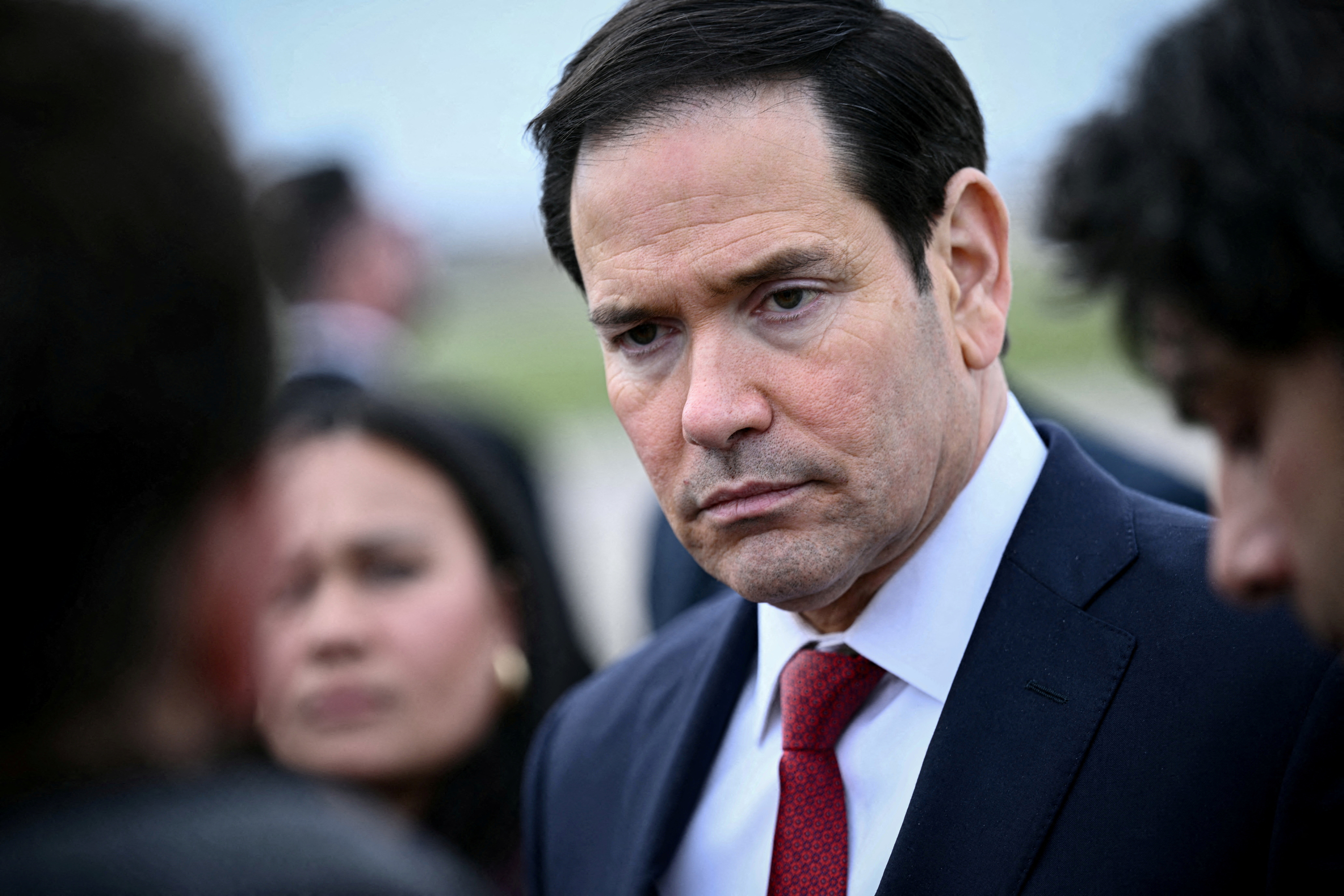
US Secretary of State Marco Rubio sought to reassure Gulf allies on Wednesday over President Donald Trump’s agreement with Iran to end their recent conflict, as questions persisted over key elements of the accord and Israel reaffirmed its intention to maintain a military presence in southern Lebanon.
The initial agreement, signed last week, ended a war that disrupted Middle Eastern security and forced the temporary closure of the Strait of Hormuz, a route through which around a fifth of global oil and liquefied natural gas supplies pass. As shipping traffic gradually resumed, oil prices fell by more than $3 on Wednesday to their lowest level since before the conflict began.
Despite the agreement, differing interpretations of its provisions have fuelled criticism in Washington and across the region. Disputes have emerged over financial incentives reportedly offered to Iran, the future management of the Strait of Hormuz and the continued fighting between Israel and Hezbollah in Lebanon.
“We’re winning by a lot. Iran is making very big concessions,” Trump told reporters.
Speaking in Kuwait during a regional tour, Rubio said Washington remained “completely aligned with our partners in the Gulf” and insisted the US would not take any action that undermined the security of its allies.
Rubio also rejected Iran’s proposal to impose tolls on vessels using the Strait of Hormuz, a measure opposed by Gulf states and the US.
Several regional governments remain sceptical about the agreement, particularly reports that it could include a reconstruction fund worth $300 billion and sanctions relief for Tehran. Critics argue such measures could strengthen Iran’s military capabilities while leaving unresolved concerns over its ballistic missile programme.
At the same time, Israeli Prime Minister Benjamin Netanyahu and Defence Minister Israel Katz reiterated that Israeli forces would remain in southern Lebanon. Katz said there was currently “no American demand” for Israel to withdraw, describing the position as a political achievement.
Israel and Lebanon are discussing a US-backed proposal under which Israeli troops would withdraw from parts of the territory captured during the conflict and transfer control to the Lebanese army.
Iranian Parliament Speaker Mohammad Baqer Qalibaf said a ceasefire in Lebanon remained a central objective for Tehran, stating that ending the conflict there was as important as ending hostilities with Iran.
Meanwhile, an Israeli drone strike in southern Lebanon killed at least two people, according to Lebanese security and medical sources. The Israeli military said it was examining the reports.
Questions also remain over Iran’s nuclear programme, one of the central issues behind the conflict. While Trump has said Iran agreed to unlimited nuclear inspections, Tehran denied that any such arrangement had been reached.
Iranian Deputy Foreign Minister Kazem Gharibabadi said there were currently no plans to grant inspectors access to facilities damaged during the war. He added that any future inspections would be considered only as part of a final agreement and after the US takes practical steps to lift all sanctions on Iran.
The interim accord provides for a 60-day negotiating period aimed at resolving remaining disputes. Rubio said technical discussions between US and Iranian officials are expected to resume later this month, most likely in Switzerland.





Click here to change your cookie preferences