
Free assistance dubbed ‘green diplomacy’
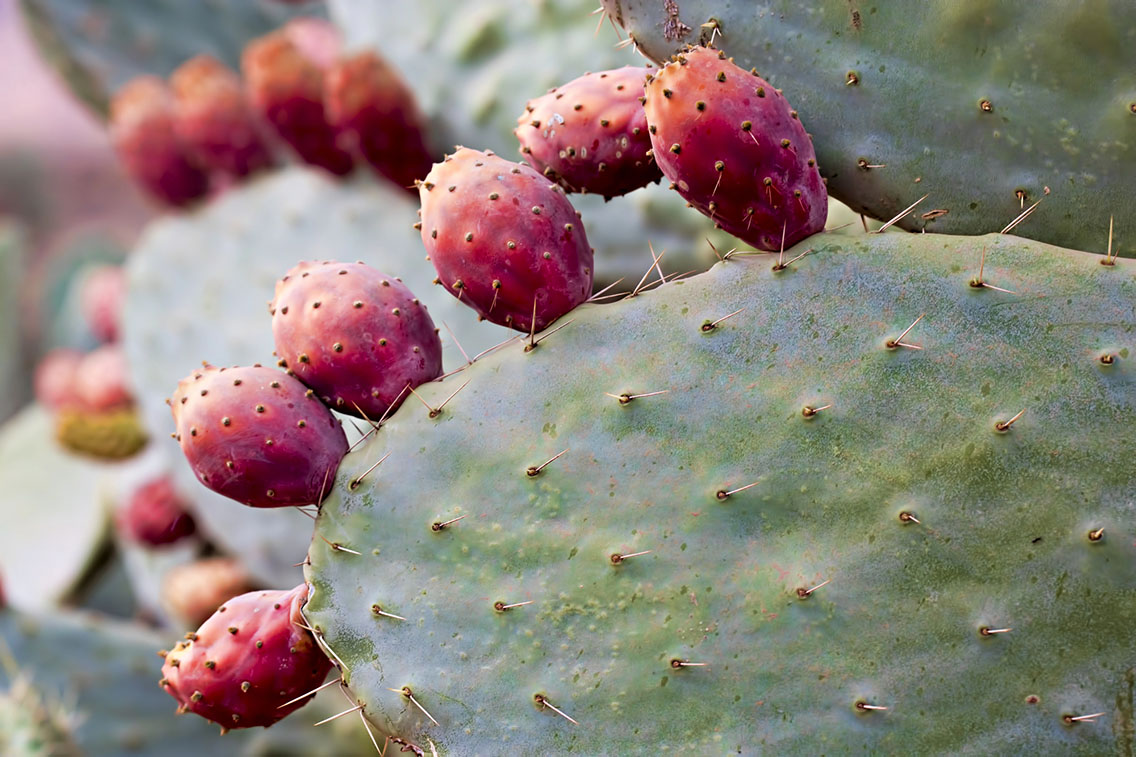
Israeli scientists have released around 200 predatory beetles in Cyprus in order to save the island’s prickly pear trees from a destructive invasive species.
According to Israeli newspaper Yedioth Ahronoth, Cyprus requested assistance from Israel’s agriculture ministry and the Volcani agricultural research institute to tackle Dactylopius opuntiae, an invasive insect which has destroyed up to 30 per cent of the island’s prickly pear crop since first being identified in 2016.
The mission was led by Professor Zvika Mendel, an emeritus researcher at Volcani, who previously helped combat the same pest in Israel after its appearance in 2013.
Working with researcher Dr Sahar Samra, the team collected about 200 Hyperaspis trifurcata beetles, a natural predator of the insect.
The beetles underwent laboratory checks before being transported to Cyprus and released at selected locations.
Mendel returned some five weeks later to inspect the sites and found the beetles had established themselves and had begun reducing the pest population.
The professor said Cyprus had offered to fund the work, but the Israeli team declined.
“They offered us a research budget to do the work. I told them immediately we will help you for free, for the good of the Cypriot people,” he said, describing the initiative as an example of “green diplomacy“.
Commercial prickly pear cultivation covers around 1,500 acres across Cyprus, with between 300 and 450 acres already damaged by the insect.
Significant losses have also been recorded among wild prickly pear populations in Nicosia and other parts of the island.
The insect covers prickly pear pads with a wax coating before gradually weakening and eventually killing the plant.
The agriculture ministry has previously confirmed that the biological control programme forms part of its efforts to contain the pest, which has spread from Famagusta to all districts, save Paphos.
Senior agricultural officer Lyssandros Lyssandrides has previously explained that Cyprus’ climate favours the insect’s rapid spread, while unmanaged prickly pear plants act as reservoirs for infestation.
“Because these plants are not cultivated or cared for, they become easy reservoirs for infestation,” he said.
The predatory beetle released by the Israeli team is regarded as one of the few natural enemies that feeds almost exclusively on Dactylopius species and is expected to establish a permanent, environmentally safe method of controlling the invasive insect.





Click here to change your cookie preferences