
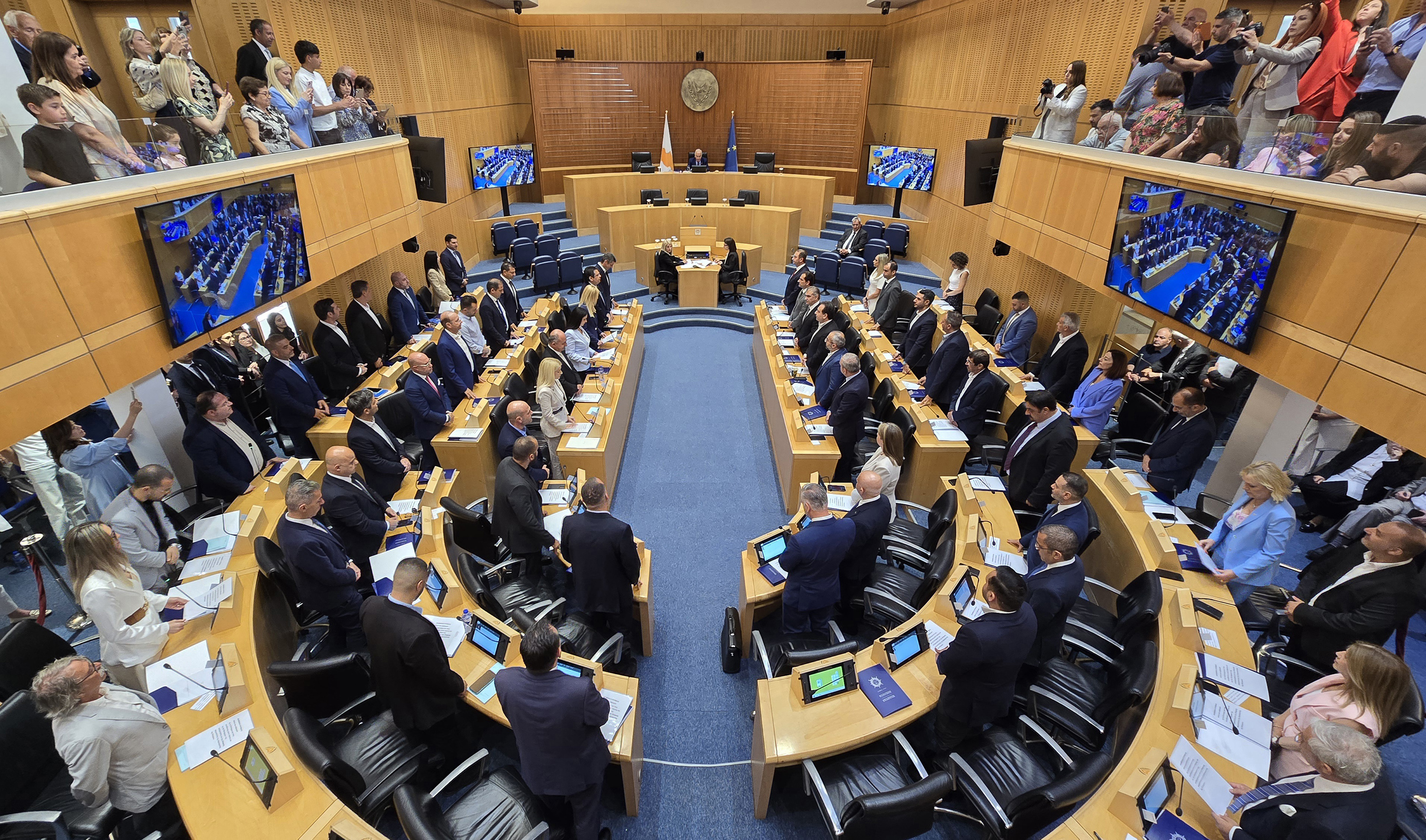
MPs and trade unions on Monday generally expressed satisfaction at government legislation that would factor in prior service in the public sector for the purposes of calculating employees’ annual leave.
The bill, which would amend current civil service regulations, was discussed at the House finance committee.
Up until now, annual leave for public-sector workers is staggered – the more years of service, the more leave they’re entitled to.
Under the proposed amendment, the days of leave would be calculated based on the years people have served in other public-sector posts other than the one they were appointed to and currently work at.
For example, someone might have worked in the public sector on an open-ended contract – in other words, they do not have full civil servant status.
From now on, if someone on an open-ended contract goes on to get appointed as a civil servant, their previous years of service as a contract worker would count toward their annual leave.
But the proposed change does not cover contract workers paid an hourly rate – a point raised by trade unions. This concerns around 600 people.
A representative of Peo union also complained the proposal might not cover people previously working in local government who then got transferred to the district local government organisations (EOA). Nor does it cover people moving from one semi-governmental organisation – like CyTA – to another.
However, a finance ministry official corrected the record, saying the coming change does include prior service in public-law organisations.
The government proposal received broad support from the parties. Disy, through welcoming the changes, said the point about including hourly-paid workers should be inserted into the text of the bill from now.
According to the statistical service (Cystat), total employment in the broader public sector came to 78,388 in the first quarter of 2026.
The broader public sector is broken down as follows: the general government and publicly-owned enterprises.
In the general government, 73,236 persons are employed – most of them working for the central government, the rest in non-profits and local authorities. Publicly-owned enterprises employ 5,152.
Some 4,200 people work in the broader public sector on open-ended contracts.




Click here to change your cookie preferences