
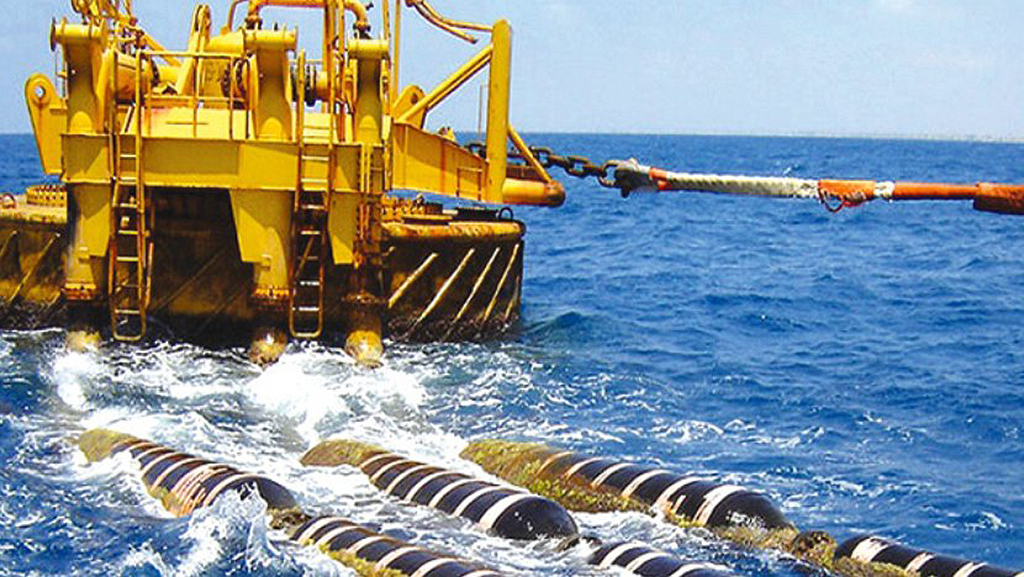
A proposed electricity interconnection between Cyprus and Lebanon could become a strategically important energy project for the Levant, with both countries asking the World Bank to assess the scheme’s viability.
Speaking to newspaper Alithia on Sunday, Lebanese Energy Minister Joseph Al Saddi said the project’s significance would increase if Cyprus completed its planned electricity interconnection with the rest of Europe, creating a route through which Lebanon could eventually access the European energy network.
“If Lebanon is connected to Cyprus, and since Cyprus may eventually be connected to the rest of Europe, this will be extremely beneficial for the country,” he said.
He added that the project could extend beyond addressing Lebanon’s domestic electricity shortages and assume “a broader strategic dimension”.
The Lebanese minister said the governments of Cyprus and Lebanon had jointly requested that the World Bank prepare a preliminary feasibility study.
The study will be financed by the World Bank and carried out in two phases.
The first, expected to take around six months, will examine the project’s economic viability, including electricity supply and demand.
If the initial assessment is positive, a second, more detailed technical and economic study will be undertaken to evaluate the conditions required for the project’s implementation.
Al Saddi said Lebanon’s immediate priority is improving electricity supply, with the country continuing to experience significant power shortages.
“The obvious benefit is that we will be able to provide more electricity to the Lebanese population,” he said.
He added that the proposed interconnection could also serve as “a bridge to the European energy system through Cyprus”, strengthening wider regional energy cooperation.
He acknowledged that securing financing remains one of the project’s principal challenges.
Funding could come from private investors or international financial institutions, including the European Commission, depending on the outcome of the feasibility process.
The minister declined to give a timetable for construction, saying it would be premature to do so before completion of the first phase of the World Bank study.
He said a clearer indication of the project’s prospects should emerge within approximately six months.
Cyprus and Lebanon have already agreed the terms of reference for the study and established a joint technical committee and steering committee, which will work alongside the World Bank throughout the assessment process and coordinate cooperation between the two governments.




Click here to change your cookie preferences