
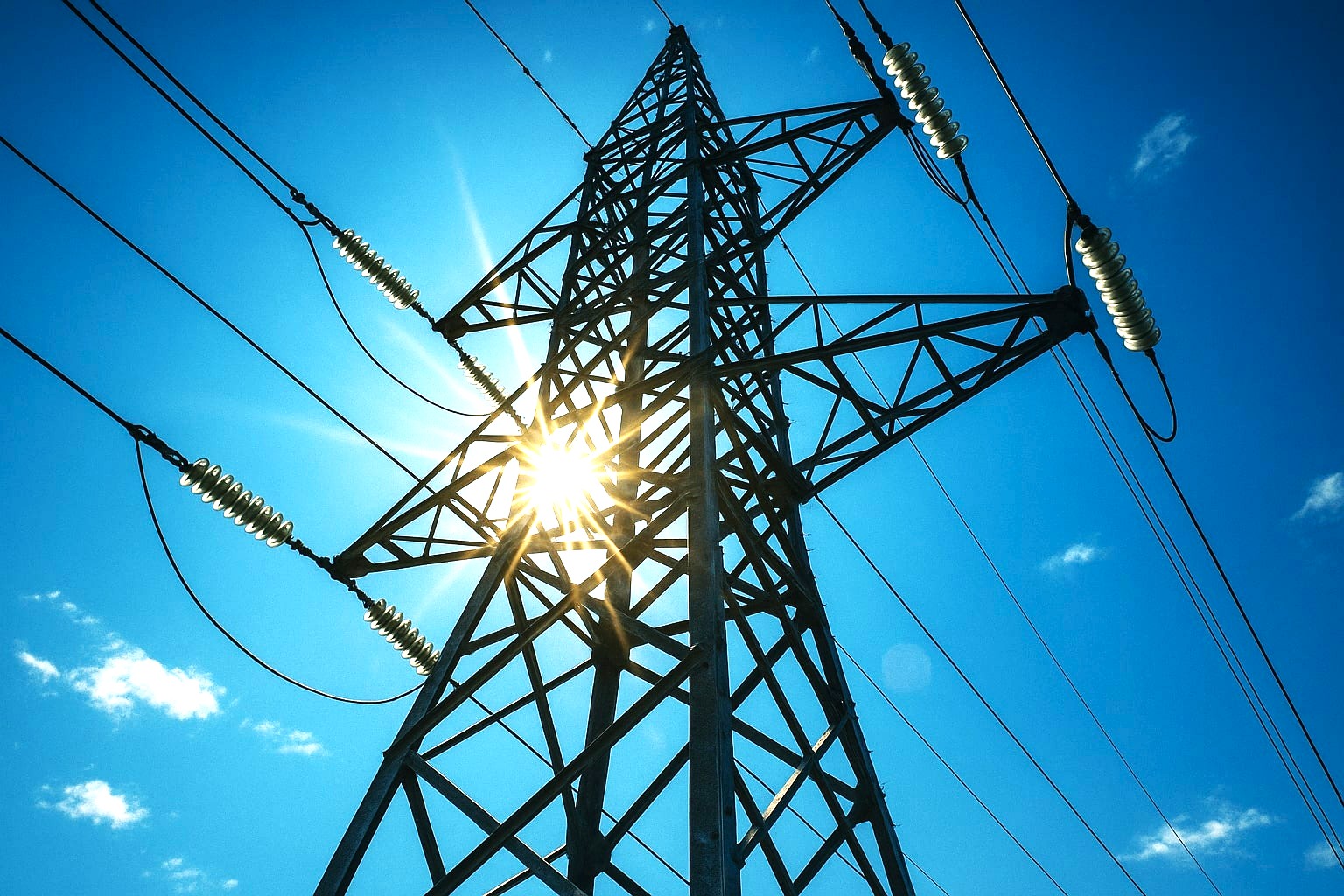
Cyprus’ electricity system is operating with limited reserves after all-time high demand was recorded on Wednesday, with the prolonged heatwave and production unit failures increasing pressure on the grid.
National energy centre assistant director Haris Zavallis said electricity coverage during the evening peak hours from 6pm to 10pm remained critical and depended on the successful return of an additional unit at the Dhekelia power station.
Speaking to the Cyprus Mail, he said that “a unit that was expected to be added to Dhekelia at around 4pm, has not been successfully delivered in time.
He warned that any further failure could create difficulties in meeting demand.
“If we lose a small unit, the system will be at its limits, while if we lose a larger unit, we will be unable to cover the demand,” he conceded.
A large production unit at the Vasilikos power station failed on Monday and is not expected to return to operation until next week.
Another unit that had previously been out of service is expected to become available, while four units are currently operating at Dhekelia.
Zavallis said evening demand was expected to reach around 1,090 megawatts, while available generation capacity was estimated at 1,143 megawatts, provided the Dhekelia unit returns successfully.
Electricity consumption reached a new record on Monday, with demand rising to 1,321 megawatts, surpassing the previous record of 1,289 megawatts recorded on July 22, 2024.
Zavallis said demand was expected to increase further due to the continuing heatwave, which has lasted seven days and led to increased use of air conditioning.
“The summer was mild and it seemed that we would easily cover demand. The heatwave has been continuing for seven days and therefore demand is going even higher.”
He explained that there was no immediate pressure during daytime hours because renewable energy production, mainly from photovoltaic systems, was helping meet consumption levels.
However, difficulties emerge after sunset when solar production drops to zero while demand remains high.
Morning demand reached 1,247 megawatts on Wednesday, while afternoon consumption was forecast to rise to around 1,345 megawatts.
Zavallis urged households to reduce electricity use during peak evening hours to help maintain system stability.
He suggested limiting the use of multiple air conditioning units at the same time, gathering household members in a single cooled area where possible and avoiding unnecessary lighting during the critical period.





Click here to change your cookie preferences