
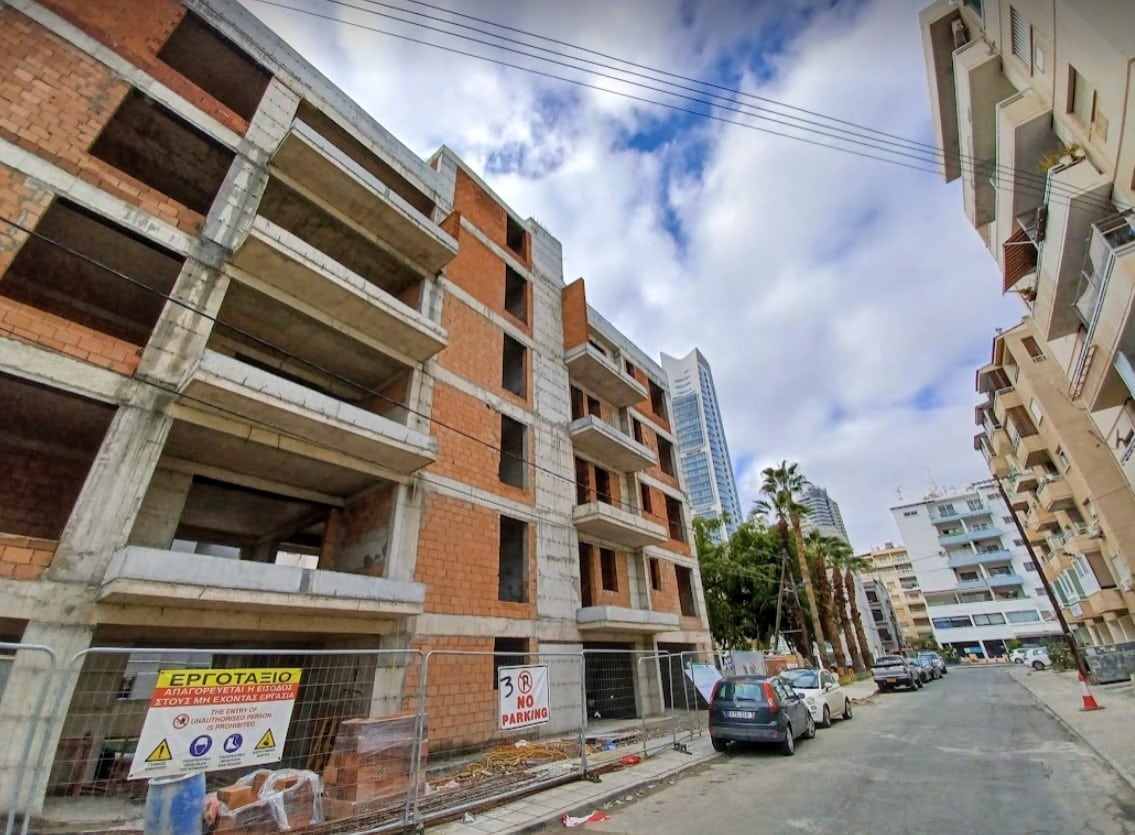
Employment in Cyprus’ construction sector grows to 39,700 workers amid sustained industry demand
Cyprus’ construction sector recorded strong growth in 2024, with value added rising by 10.7 per cent and production expanding across residential, non-residential and civil engineering projects, according to the findings of a survey released on Wednesday by the Cyprus Statistical Service (Cystat).
The survey showed that the production value of the broad construction sector increased by 7.4 per cent to €6.70 billion in 2024, compared with €6.23 billion in 2023.
At the same time, value added at current prices climbed by 10.7 per cent to €1.75 billion, up from €1.58 billion a year earlier, reflecting another year of robust activity across the industry.
The survey also found that new construction reached €3.82 billion in 2024, representing an annual increase of 6.4 per cent.
Residential buildings led the expansion, with output rising by 8.6 per cent, while non-residential buildings increased by 2.6 per cent and civil engineering projects by 2.0 per cent compared with 2023.
Employment also continued to grow, with the number of people working in the construction sector increasing by 1.9 per cent to 39,700 in 2024, compared with 38,900 the previous year.
The latest figures reinforce the sector’s position as one of the main drivers of the Cypriot economy, despite expectations that overall economic growth will moderate this year because of geopolitical tensions and weaker tourism activity.
Recent Cystat data showed that construction activity remained positive in the opening months of 2026.
Specifically, the Index of Production in Construction increased by 0.7 per cent year-on-year during the first quarter.
At the same time, the Output Prices Index in Construction rose by 4.7 per cent over the same period, indicating that activity has continued despite higher building costs.
Separate Cystat figures also showed that construction material prices continued to rise in June, increasing by 3.12 per cent compared with the same month last year, driven by higher prices for aluminium products, plastics and electrical fixtures.
Even so, market indicators suggest that investment in the sector remains resilient.
According to a recent analysis by Eurobank Research, residential construction remained one of the strongest-performing segments of the economy during the first quarter of 2026, with housing investment rising by 4.7 per cent year on year, supported by continued growth in mortgage lending.
The bank also pointed to a 48.8 per cent increase in building permits during January and February, while the authorised construction area expanded by 56.5 per cent, signalling a strong pipeline of future projects.
Property market activity has also remained relatively robust, with property sales increasing by 14.1 per cent during the first four months of 2026, although growth slowed to 4.8 per cent in May as demand from overseas buyers weakened.
Despite that slowdown, Eurobank expects construction to remain a key pillar of Cyprus’ economic activity throughout the rest of 2026, supported by favourable financing conditions, sustained demand in the housing market and continued investment, even as external risks weigh on other sectors of the economy.





Click here to change your cookie preferences