
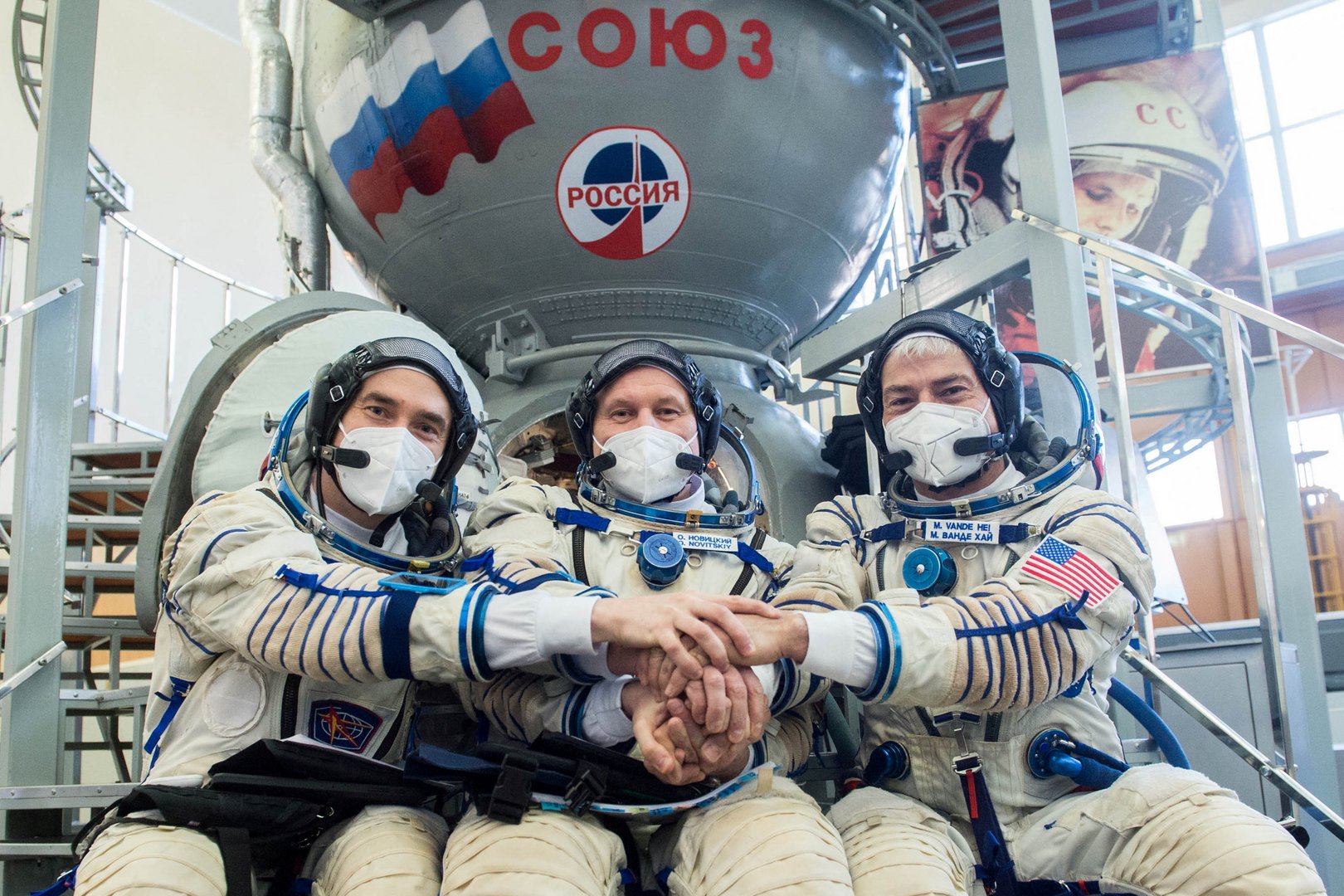
Researchers at the Cyprus institute of neurology and genetics have identified genes consistently affected by exposure to weightlessness, in findings that could protect astronauts during future missions.
The research was led by Professor George Spyrou, who said the team set out to understand how space alters the human body at a cellular level.
“Our goal was to see which genes change their behaviour, which cellular functions are affected, and which mechanisms seem to play a central role in the organism’s response in space,” Spyrou told the Cyprus News Agency.
The team analysed large biological datasets, including data from human cells exposed to microgravity.
Their research identified changes in genes associated with cardiovascular function, inflammation, cellular repair and the body’s natural defence mechanisms against stress.
“Weightlessness, increased cosmic radiation and intense cellular stress cause changes in the body that we are still trying to fully understand,” Spyrou said.
Researchers also used computational methods to investigate whether existing medicines could potentially be repurposed to reduce some of the effects associated with space travel.
Alongside the research, the team developed an online database which brings together data from space biology studies, allowing scientists to analyse information more quickly.
“Our goal was to create an infrastructure that would facilitate research and accelerate the discovery of new knowledge about human health in space,” Spyrou said.
The work forms part of a collaboration between both the genetics institute and Cyprus’ space exploration organisation through the space research and innovation centre project.
Spyrou said the partnership had created “a bridge between space science and biomedical research in Cyprus” with the dual objective of improving astronauts’ health and generating knowledge applicable to medicine on Earth.
The study also found that some biological changes appeared to persist even after exposure to space, suggesting the effects of microgravity may leave a lasting imprint on the human body.
Spyrou cautioned that the findings are based primarily on computational analysis and available experimental data, thus requiring further experimental confirmation.
He added that many of the effects identified, including inflammation, cellular stress and cardiovascular dysfunction, are also involved in diseases affecting people on Earth, meaning research into the effects of spaceflight could ultimately contribute to advances in healthcare beyond space.





Click here to change your cookie preferences