
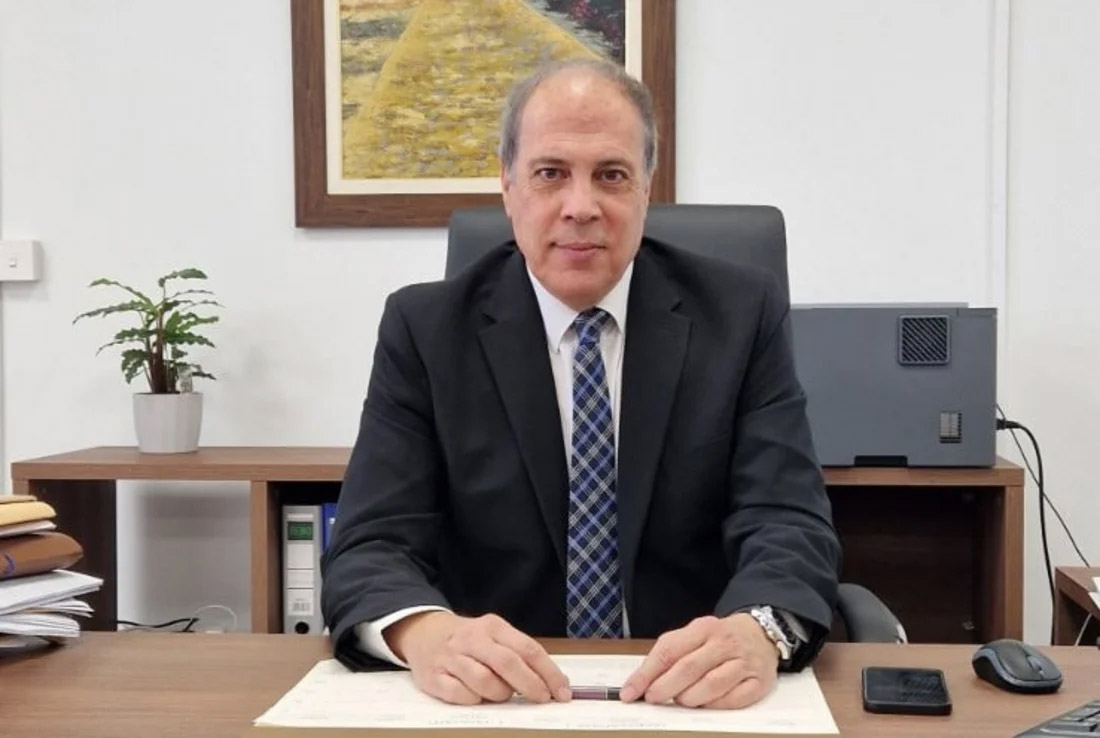
The anti-corruption authority will issue an announcement on the ‘black van’ spying case on Monday, its commissioner Haris Poyiadjis informed the House institutions committee on Wednesday.
Poyiadjis was responding to a question from Alma MP Irene Charalambides on whether the authority had begun examining the case, which concerns surveillance equipment operated from a van by private company WiSpear.
The announcement comes after renewed calls for the case to be reopened and the authority’s powers to investigate potential corruption.
Akel MP Constantinos Constantinou said his party considered the case to have been closed for reasons that had not been adequately explained and called for a new examination.
Constantinou said the continued use of the term ‘public interest’ without further explanation was insufficient and argued that reopening the case would strengthen public confidence in the rule of law.
The complaint before the anti-corruption authority was submitted in 2023 and includes allegations concerning deputy attorney-general Savvas Angelides, his former law firm and companies in which his brother was a shareholder.
The complaint reportedly alleges that a company associated with Angelides’ former law firm provided secretarial services to several companies that were allegedly involved directly or indirectly in the Predator affair in Greece.
It also refers to corporate ownership changes involving companies associated with Angelides’ brother and Israeli businessman Avraam Shahak Avni.
One company cited in the complaint was reportedly removed from the Cyprus company register two days after Angelides issued a statement rejecting allegations concerning him in August 2022.
The complaint presents this as material requiring examination by investigators.
Tal Dilian and a police officer were also reportedly mentioned in the leaked correspondence.
The complaint also raises questions about the suspension of the criminal prosecutions in 2021 and the circumstances surrounding the companies and individuals involved in the surveillance affair.
Poyiadjis has previously declined to discuss the substance of the complaint while it remained under examination, citing the confidentiality provisions governing the authority’s work.
The case dates back to 2019, when police began investigating WiSpear after its then chief executive Tal Dilian publicly promoted surveillance technology installed in a converted ambulance.
The vehicle was equipped with technology capable of intercepting electronic communications and accessing mobile devices within a stated range.
The company said the van had only been used in Cyprus for field tests and demonstrations involving company owned devices and with the knowledge of the authorities.
In November 2021, attorney-general George Savvides suspended the criminal prosecution of Dilian and two other defendants.
Charges against WiSpear Systems continued, with the company later pleading guilty to several personal data violations and receiving a €76,000 fine.
The issue returned to public attention after developments in Greece involving Dilian and surveillance software marketed by companies associated with him.
A Greek court convicted Dilian and three others in February over illegal surveillance involving Predator spyware.
The defendants were sentenced to 126 years each, although only eight years are to be served under the applicable rules, and the sentences were suspended pending appeal.

The Greek surveillance scandal involved the targeting of 87 people, including cabinet ministers, senior military officials and journalists.
Among those targeted was Nikos Androulakis, who is now leader of Greece’s Pasok party.
Dilian subsequently informed Reuters that the surveillance technology he offered had “only been sold to governments”.
The comments prompted renewed calls domestically for the circumstances surrounding the ‘black van’ case to be examined.
Akel secretary-general Stefanos Stefanou had previously called for the Cypriot investigation to be reopened, arguing that the decision to suspend criminal proceedings against Dilian and others had been insufficiently explained.
“The issue of surveillance and institutional entanglement and corruption is extremely serious,” Stefanou said, arguing that it concerned both individual rights and the functioning of democratic institutions.
Government spokesman Konstantinos Letymbiotis rejected calls for a new investigation in April, saying previous investigations had been carried out before the current government took office in 2023.
He said that if there was “any evidence, indications, presumptions, or intention for a new investigation”, it should be submitted to the competent authorities so that the appropriate procedures could be followed.
At Wednesday’s committee meeting, Charalambides also criticised delays in legislation intended to strengthen the anti-corruption authority and its investigative powers.
Justice ministry permanent secretary George Pantelis said a bill had been prepared and sent for evaluation.
The committee further examined Cyprus’ progress on corruption, organised crime, whistleblower protection and transparency.
Poyiadjis said the authority had expanded significantly since it began operating, for it initially had just three secretarial staff and only one officer examining complaints until April 2024.
The authority now employs 16 people, including seven officers and two members.
He said legislation concerning the authority had been passed and staffing plans approved, with recruitment expected to follow.
Poyiadjis also said existing whistleblower protection legislation contained “too many gaps” and did not provide sufficient protection.
The authority has to date received fewer than 10 whistleblowing complaints, he said.
The committee was also told that software for the implementation of lobbying legislation was expected to be ready by March of next year.
The police’s criminal prevention unit director Thomas Hadjikyriakou said police action required satisfactory evidence and said a new organised crime countermeasures directorate based on FBI standards was expected to become operational within the year.
Charalambides questioned whether the public should be expected to provide evidence when they could be at risk.
“Why should the citizen take on the burden of testimony at a time when they themselves are in danger?” she asked.





Click here to change your cookie preferences