
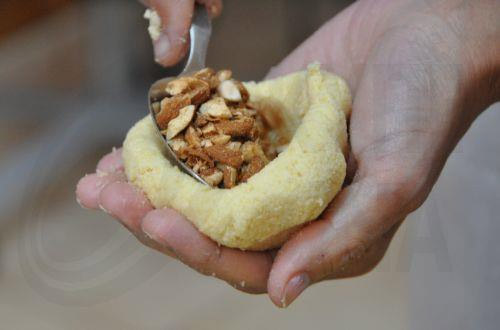
Two of Athienou’s best-known traditional products, its bread and loukoumi, have moved a step closer to European protected status after Cyprus formally forwarded their applications to the European Commission.
The agriculture department submitted applications on September 25 for “Athienitiko Psomi” and “Athienitiko Loukoumi” to be registered as Protected Geographical Indications (PGI).
The applications have been examined at national level and received a favourable decision from the director of the agriculture department, the agriculture ministry said.
The decisions, together with the specifications of the two products, were published in the Republic’s official gazette on September 25.
The European Commission will now examine the applications, with the ministry saying it expects a favourable decision during 2027.
The official specifications provide a detailed account of what makes Athienou bread distinctive, as well as a history stretching back more than a century.
Under the application, Athienitiko Psomi is defined as a round loaf made from wheat flour, at least 90 per cent of which must come from durum wheat, together with water, salt and either yeast or sourdough. It contains no preservatives or added flavourings. Its crust is described as thick, smooth and crunchy, while the crumb is dense and pale yellow-white. The bread has a strong wheat flavour with slight acidity and is sold in loaves weighing between 1.1kg and 1.5kg.
All stages of production, from receiving the raw ingredients through to baking, must take place within the administrative boundaries of Athienou municipality in areas under the effective control of the Republic. Cutting and packaging may take place elsewhere.
According to the application, the bread’s link with Athienou rests on a reputation developed over more than 100 years, as bread-making moved from households into commercial production.
Three characteristics in particular distinguish it: its dense crumb, thick and crunchy crust and unusually large size. Its relatively low moisture content and thick crust also allow it to remain fresh for several days.
That large size even landed Athienou’s bakers in trouble with the authorities during the 1970s.
Legislation at the time set the maximum weight of a loaf at one kilogramme, effectively making the larger Athienou bread illegal for a period. Loaves were systematically confiscated by market inspectors, leading to a dispute between local producers and the authorities which was recorded in the press at the time.
The area’s association with bread-making goes back considerably further. The application cites archaeological evidence including a sixth-century BC ceramic artefact discovered in the wider Golgoi area depicting a female figure baking round loaves.
Bread-making became closely associated with Athienou during the 20th century. The first commercial bakery in the town began operating in 1926 and distributed bread to Nicosia, with more bakeries following from the 1940s onwards.
Local producers initially transported their bread using mule-drawn carts before switching to motor vehicles, helping Athienitiko Psomi become widely known across Cyprus during the second half of the century.
The town’s bread-making tradition has since been included in Cyprus’ National Inventory of Intangible Cultural Heritage, while the bread remains closely associated with Athienou’s local identity and annual festival.
The agriculture ministry described Athienou bread and loukoumi as two products of Cypriot gastronomy of “exceptional quality” which enjoy a strong reputation.
If approved by the European Commission, the two names will receive protection under the EU’s geographical indication system.





Click here to change your cookie preferences