
By Dina-Perla Portnaar
The summer continued to be a parade of hidden defects within my home. A man with a detective device had to be summoned to trace the invisible leaks. The shower and bath had never been sealed with silicone, the drain of the shower lacked basic insulation, and the grouting between the tiles had decomposed to the point where a knife could pass through it like butter. More bills, paperwork, and evidence gathered.
But then a friend arrived from the Netherlands, and the tectonic plates of my psyche shifted. I could finally explore the island. For days, we drove, letting the roads dictate our path. We sang silly Dutch songs at full volume. We discovered Curium, where the ancient theatre gazes out at a sea so blue it feels like a colour correction. We danced at Yeroskipou beach and relaxed at Latchi. We drove through mountain passes where the air smelled of thyme and pine. We even visited a castle.
Near my friend’s apartment, a fig tree was heavy with ripe fruit. We plucked and ate them on the spot, the honeyed flesh a small revelation. It was a moment of pure, unmediated medicine. But it also triggered a question that has been gnawing at me since: Why aren’t there more of those?
In 2014, I drove through Tuscany, Italy, and could stop at the roadside to pick apricots and more. Cyprus, with its climate, sunshine, and its ancient agricultural soul, should be a cornucopia. Yet the public landscape is surprisingly barren of edible abundance. You see fields of bananas, plantations of carob, and endless rows of olives and vines. But the edible richness is held behind fences. Where are the trees by the roadside? Where is the opportunity to stop, climb, and crack open a fruit? Why is this paradise so parsimonious with its public fruit?
This scarcity is mirrored, paradoxically, by the excess inside the supermarkets. As I have begun to read ingredient lists, I notice that sugar is everywhere, even in a simple smoked salmon burger. Vegetarian alternatives are minimal and exorbitantly priced. Products that should be natural are laced with synthetic fillers and sweeteners. In this respect, Cyprus is sinking with the rest of Europe into a swamp of processed mediocrity.
Near perfect climate for agriculture
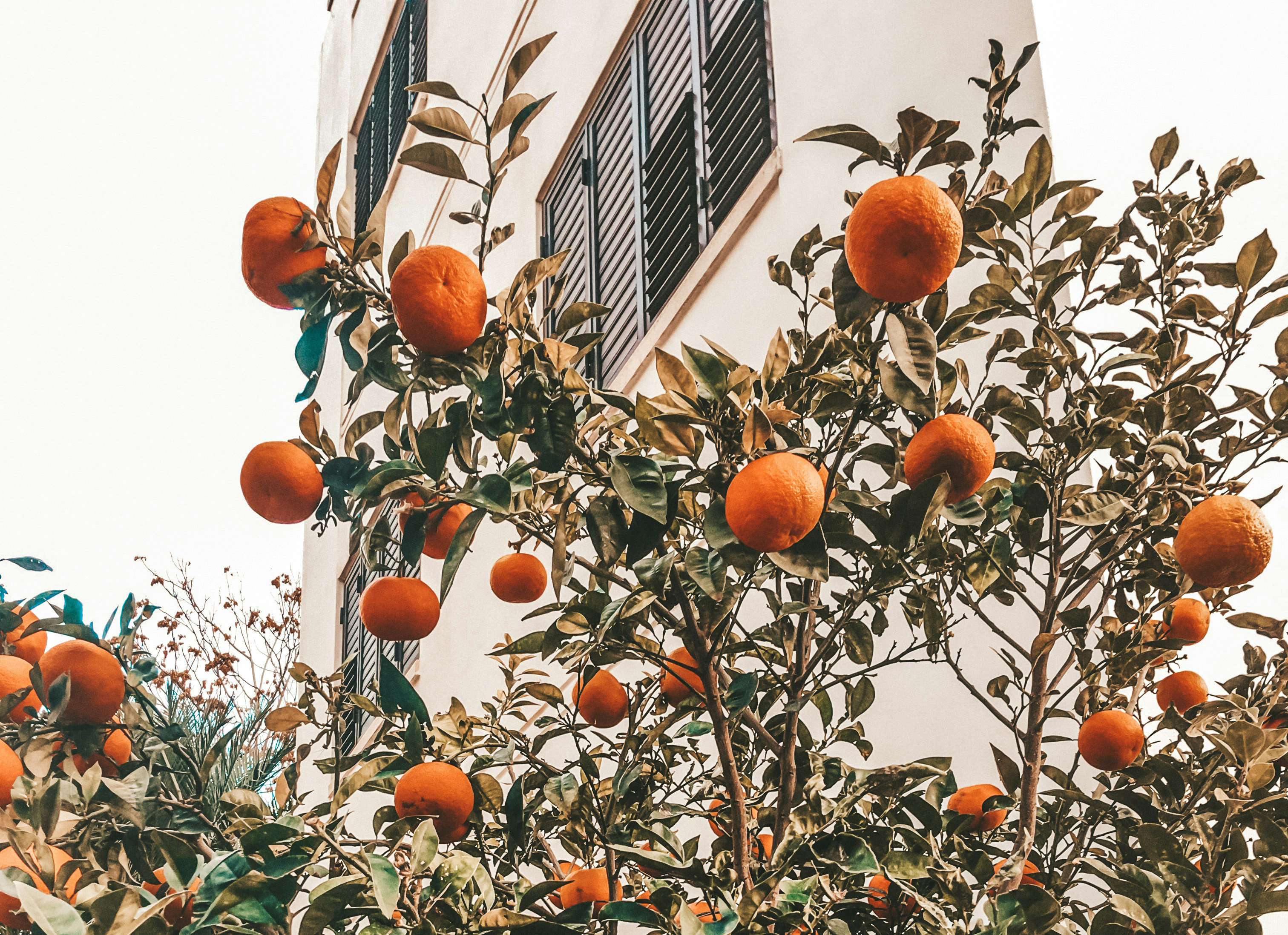
Here is an island with a near-perfect climate for agriculture, a place where citrus, pomegranates, avocados, and a thousand other fruits flourish but could be multiplied even more. The sun is an abundant resource. The soil is fertile. Yet the public space could grow way more veggies and fruits, while the supermarket shelves are filled with food that is a chemical approximation of it. We are surrounded by the potential for a gastronomic utopia, yet we are fed sugars and stabilisers.
Perhaps the land has been so thoroughly privatised that the idea of a public orchard, a communal bounty, has become alien. The individual vegetable gardens I see in my neighbourhood are proof that the knowledge and the will exist, but they are solitary oases in a desert of commercial uniformity. The neighbours grow their own tomatoes, cucumbers and herbs. Why is their knowledge not translated into a wider, more generous public philosophy?
Cyprus is exceptional. It’s a place that, in its landscape and climate, makes me feel at home. It has the raw material for a truly unique way of life, one that is in sync with its natural rhythm. But it is being undermined by a pedestrian adherence to the worst of European food standards.
My friend has left me with the lingering taste of those fresh figs; a vision of what could be. A Cyprus that celebrates its potential, that refuses the onslaught of unnatural additives, and that takes pride in the edible wealth it could produce for everyone. Life here is already beautiful. But it could be so much sweeter, in the truest sense of the word.





Click here to change your cookie preferences