
Cypriot capital promotes culture, food and nature to Greek visitors
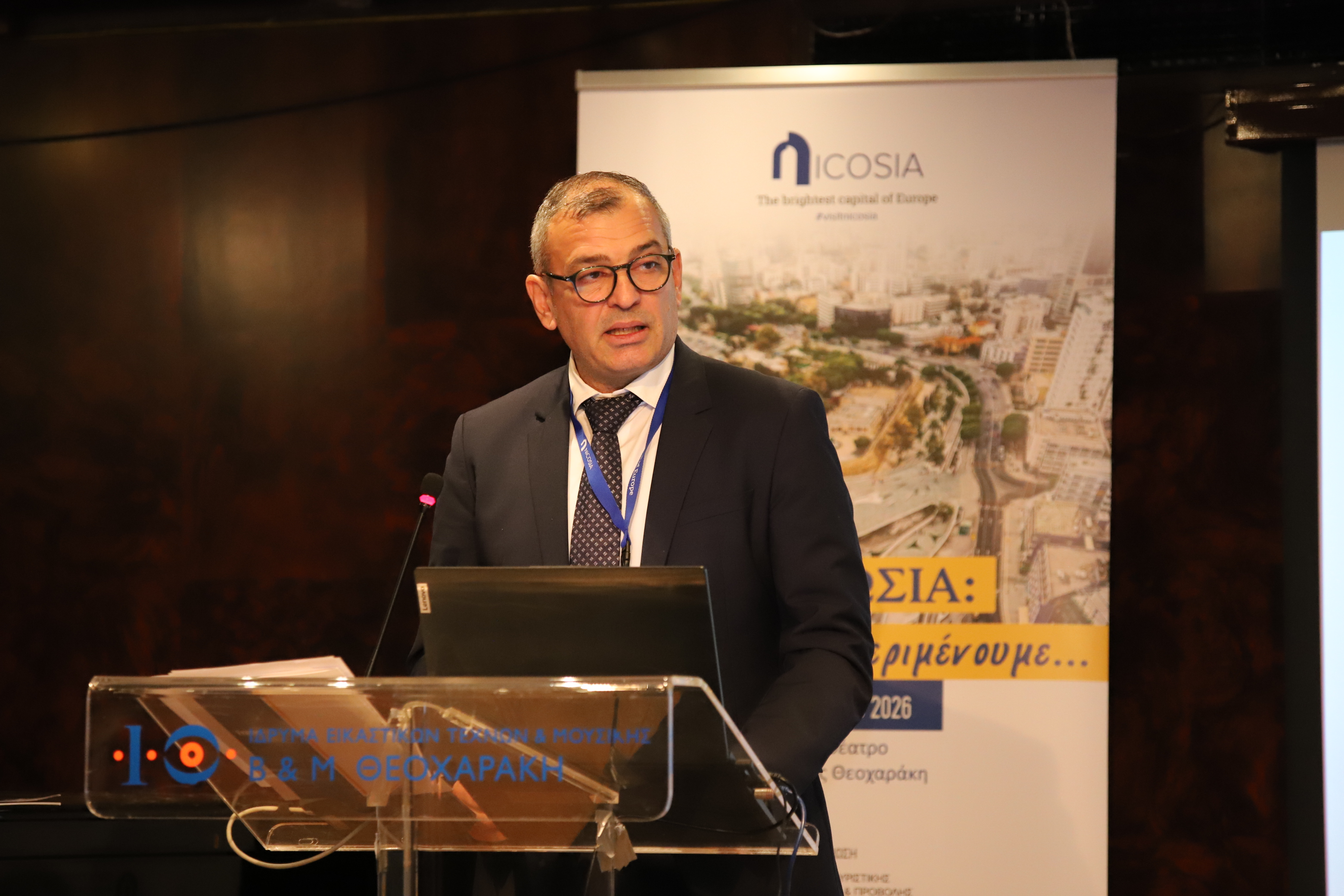
Nicosia is seeking to attract more visitors from Greece by promoting its culture, gastronomy, events and surrounding countryside as part of a year-round tourism offering, according to Nicosia regional tourism board (Etap Nicosia) president Theodoros Kringou.
Speaking to Greek tourism and business representatives during a recent event in Athens, Kringou highlighted the close travel links between the two countries and argued that Nicosia could offer Greek visitors a combination of short city breaks, cultural experiences, food, nature and professional travel.
More than 12,000 visitors from Greece travelled to Cyprus in July 2026, while more than 80,000 Cyprus residents travelled to Greece during the same month, according to figures from the Cyprus Statistical Service (Cystat) cited by Kringou.
Moreover, Cyprus welcomed 4.53 million tourists in 2025, an increase of 12.2 per cent compared with the previous year.
Kringou also pointed to research by Hermes Airports indicating that Nicosia has been attracting a significant proportion of visitors during the winter.
Among non-Cypriot respondents to the survey, 14 per cent identified Nicosia as their main city of stay during the winter, while 46 per cent of visitors in summer and 48 per cent in winter were aged between 18 and 35.
“These findings give us the opportunity to develop travel proposals and short breaks outside the summer season, based on culture, gastronomy and events in the city,” Kringou said.
He stressed that Nicosia’s accessibility also made it suitable for the Greek market, with 90 flights a week linking Athens with Larnaca during October.
The journey from Larnaca airport to Nicosia takes around 40 minutes by road, giving visitors the option of combining a city stay with excursions around the wider district.
“The very good connectivity and accessibility to Nicosia allows us to develop and propose to the Greek market a trip that combines culture, gastronomy and the countryside of the district,” Kringou stated.
He pointed to research by Mastercard on Europe’s experience economy, which found that 70 per cent of travellers were interested in culinary experiences, 69 per cent chose activities in nature and 57 per cent were willing to pay more for experiences supporting local businesses.
Kringou argued that these trends played directly to Nicosia’s strengths, including its history and culture, local food and products, villages, natural areas, religious routes and more authentic visitor experiences.
The capital’s walled city remains central to the tourism proposition, with its Venetian walls, historic gates, churches, traditional buildings and workshops offering visitors the chance to explore different periods of Cyprus’ history within a relatively compact area.
“Nicosia is a city that you discover step by step,” he said, describing the capital as a place where different historical periods remain visible in its streets and buildings.
He also highlighted the Green Line as an important part of the city’s modern history and identity.
The capital’s cultural offering extends beyond its historic centre, with museums, galleries, theatres and other creative spaces complemented by newer attractions and public areas.
Kringou highlighted Eleftheria Square as a modern landmark connecting the historic city with contemporary Nicosia, while the redevelopment of the old GSP site is creating another space for greenery, culture and public gatherings.
Gastronomy is another major part of the tourism strategy, with Kringou highlighting Cypriot meze, local wines, brandy sour and zivania alongside the city’s modern bar and restaurant scene.
He also promoted the Taste Nicosia culinary route as a way for visitors to experience the city’s food culture.
Nicosia’s growing role as a university centre also creates opportunities beyond conventional leisure tourism, according to Kringou.
Thousands of students from Cyprus, Greece and other countries study in the capital, creating additional demand from visiting relatives and friends while also providing opportunities for educational trips, conferences and academic events.
Religious tourism is another potential area of growth, with churches including Panagia Faneromeni, Archangel Michael Trypiotis and Agios Savvas forming a compact route through the old city.
Kringou highlighted Holy Week in particular, when the three churches’ epitaph processions create what he described as a distinctive religious experience within an urban setting.
The capital’s events calendar also provides reasons for visitors to travel outside the traditional summer season, covering festivals, concerts, exhibitions, creative workshops and other cultural events.
Kringou pointed to Cyprus Comic Con as one example, describing it as the largest festival dedicated to comics and video games in the Eastern Mediterranean.
Nicosia’s tourism offering has also received international recognition, with the city securing the Best Cultural Destination in Europe award and second-best destination in Europe from European Best Destinations in 2026.
The city has also received recognition for its food and drink offering, including Best Beverage Experiences Destination and Culinary Capital 2025, as well as the Creative Friendly Destination distinction.
The tourism pitch extends beyond the capital itself, with Kringou highlighting villages including Fikardou, Gourri and Lazania in the foothills of the Machairas area.
Fikardou, around 40 kilometres from Nicosia at an altitude of about 900 metres, offers preserved 18th-century houses and traditional architecture and was declared an ancient monument in 1978 before receiving a Europa Nostra award in 1987.
During Christmas, the village becomes a medieval-themed Christmas village, attracting more than 150,000 visitors a year with its illuminated stone houses, craft workshops, local food and music and dance events.
Kringou also pointed to the wider district, extending to the Tilliria area, where mountain and coastal landscapes offer further religious, cultural and culinary experiences.
“One of the destination’s most important advantages is the possibility of changing between different tourism experiences within the same day,” he said.
Visitors can walk through the Venetian walls in the morning, explore a historic mountain village, eat in a traditional taverna and return to the city for its evening entertainment, he explained.
Kringou used the Athens event to call for closer cooperation with Greek tourism and business professionals in developing cultural, religious, culinary, educational and business travel packages centred on Nicosia.
“Etap Nicosia is ready to support this effort with all the necessary information, specialised promotional material, contacts with local professionals, organised familiarisation visits and joint activities in the Greek market,” he added.
The board’s aim, he explained, is to encourage visitors to stay longer, return to the capital and discover experiences beyond the conventional summer holiday.




Click here to change your cookie preferences