
What one should look for when choosing a leader
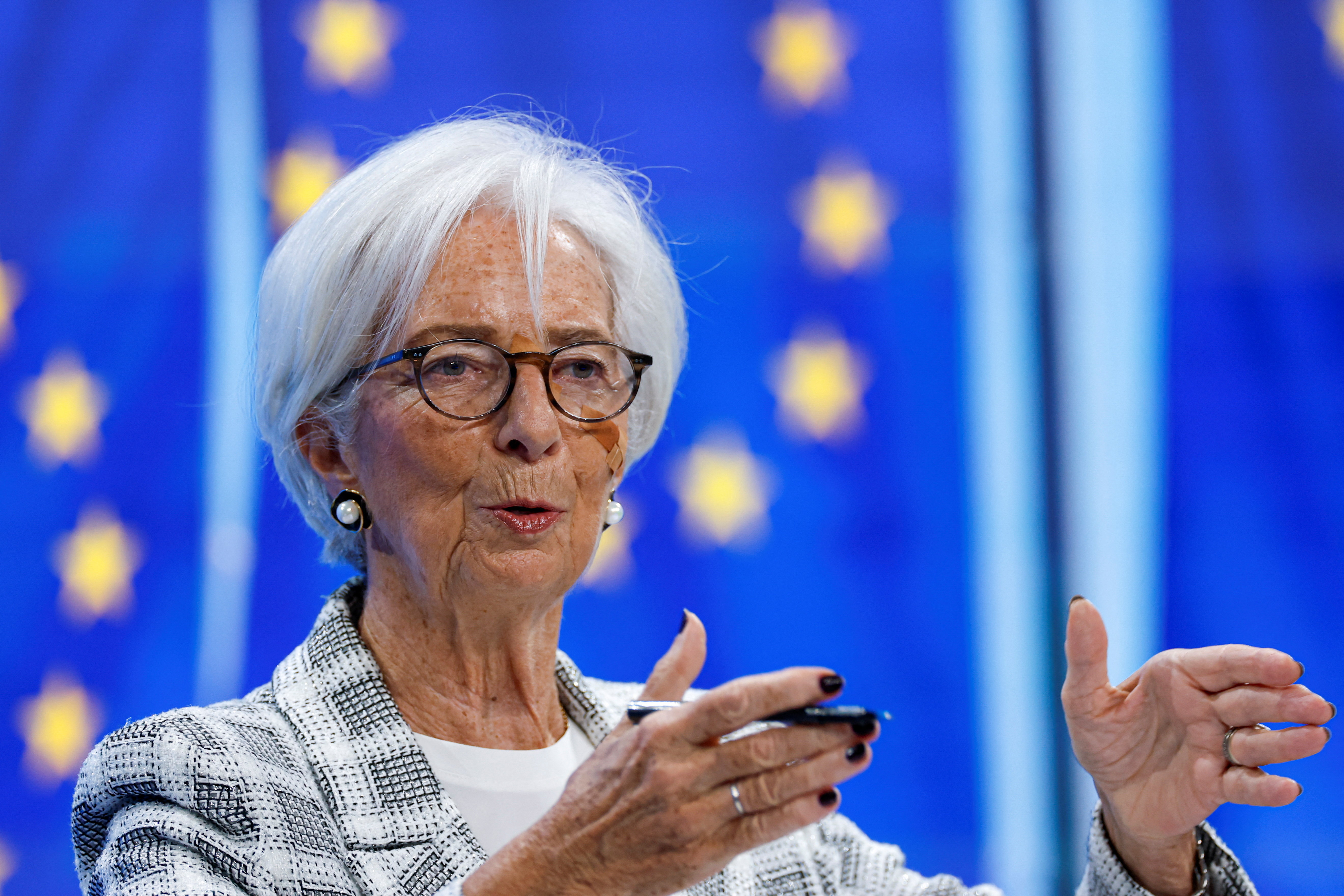
Christine Lagarde has officially announced that she will step down as President of the European Central Bank (ECB) on February 7, 2027, nine months before her term is due to expire. Her explanation was that she no longer wished to be constrained from expressing her views on developments in the world around her. As she put it: “I want to have the freedom of speech, the freedom of expression and the freedom to engage on matters that are not monetary policy matters.”
The position of ECB President, like that of other central bank governors, is famously independent. This requires its holder to refrain from taking partisan political positions, even though central bank decisions have far-reaching consequences for the public at large. Such decisions should be made on technocratic grounds, within the mandate established by the relevant political authorities. In everyday parlance, this is often understood as controlling inflation while supporting employment and economic activity.
Two fundamental qualities that any leader should possess, whether heading a central bank or governing a country, are the ability to earn people’s trust and the judgement to choose the right course. Integrity and competence are essential ingredients of both.
Integrity, or character, is essential because the person at the helm must inspire trust in the institution and ensure its independence is safeguarded from partisan interests. Demonstrating a commitment to the general good, rather than serving particular interest groups, is fundamental.
Competence is perhaps easier to define, but no less important. Anyone who fails to deliver on the economy is unlikely to retain public confidence for long. Technical competence, however, is not enough. Leadership also requires the ability to earn people’s trust and persuade them to follow, particularly when difficult choices have to be made. A leader may be brilliant and resourceful, but if they cannot carry others with them, his abilities count for little.
Mark Carney, Canada’s current Prime Minister, has served as governor of both the Bank of Canada and the Bank of England. Few would dispute that his transition from central banking to political leadership has been an impressive one. His election victory, following his surprise entry into Canadian politics against the backdrop of Trump’s threats to make Canada the 51st state, was a remarkable achievement. He has since earned the respect and admiration of many around the world.
There are other examples in recent history. Lucas Papademos served as Greek prime minister from November 2011 to May 2012, leading a national unity government in the aftermath of the country’s sovereign debt crisis. A technocrat by background, he had previously served as vice-president of the ECB from 2002 to 2010 and governor of the Bank of Greece from 1994 to 2002.
In Italy, Mario Draghi, previously governor of the Bank of Italy and subsequently president of the ECB, was appointed Prime Minister in February 2021, at a time when the country was still grappling with the consequences of the Covid pandemic.
By most accounts, both men did an exemplary job, restoring confidence and providing effective leadership during a difficult period. Yet their governments collapsed when political parties withdrew their support.
These examples, however, are not simple coincidences. They point to something more fundamental. They demonstrate that integrity and competence are precisely the qualities we should be looking for when choosing our political leaders.
Carney managed to make the transition to elected politics with remarkable success. Whether Lagarde could perform a similar political manoeuvre in France, given the country’s present difficulties, is an open question. Her early departure from the ECB certainly gives rise to speculation about the role she might wish to play in the forthcoming presidential debate, even if becoming a candidate herself is another matter.
I am not suggesting here that we should all be looking to find ex-central bankers to support as our political leaders – although, I guess, in the case of France I am saying exactly that.
For there is, another quality that distinguishes a good leader from someone merely seeking power: the ability to recognise personal limitations, accept defeat and understand when it is time to make way for someone else. Above all, a leader must understand the distinction between leadership as a public service and leadership as an exercise in personal ambition. Political leadership is a public responsibility, not a personal entitlement.
Here in Cyprus, alas, that distinction fails most of our politicians, while integrity and competence appear to be in short supply.
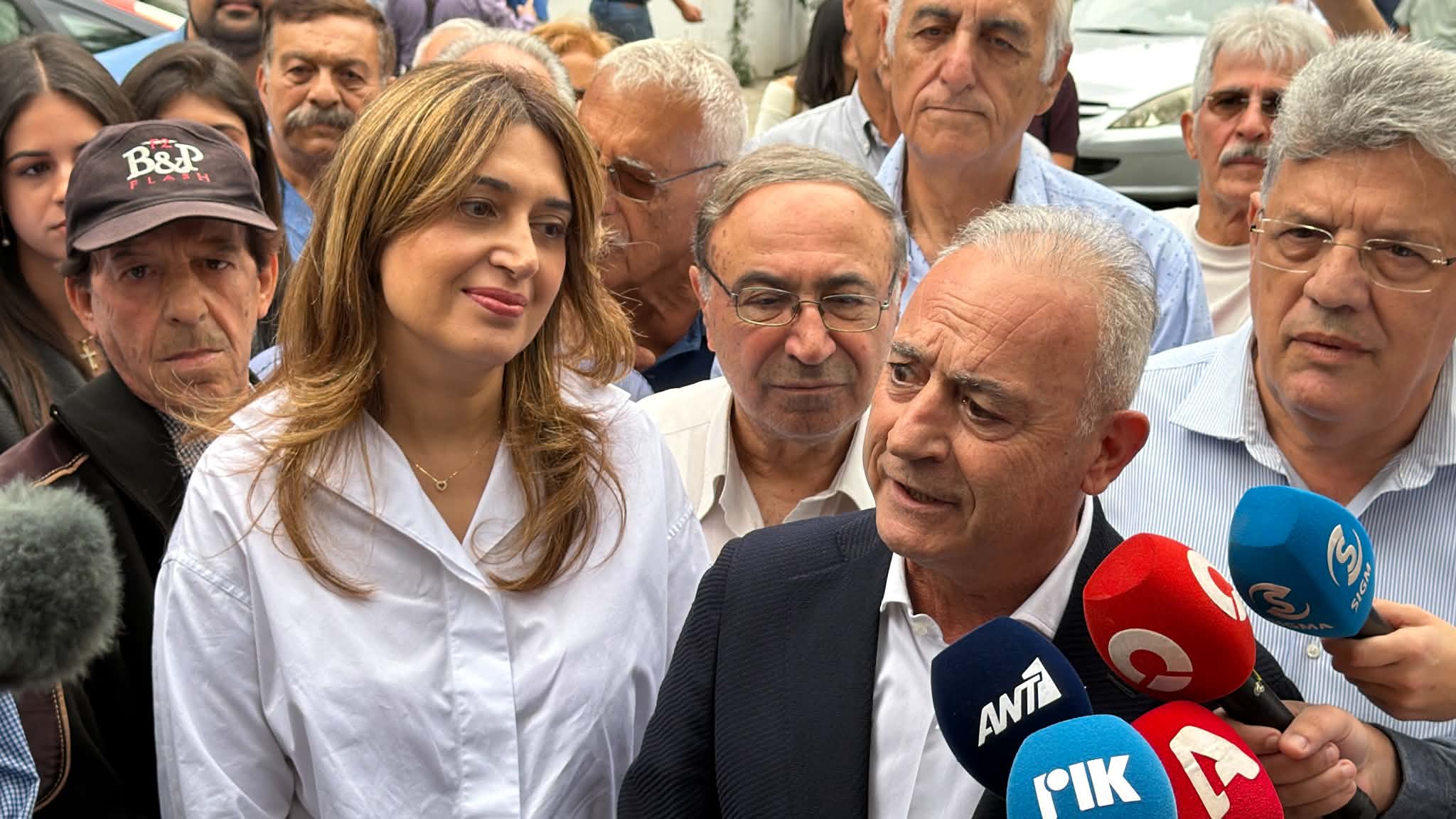
Standing for the post of Disy’s presidential candidate, Averof Neophytou seems intent on pursuing an ego-driven crusade to secure his return to the political stage. Like Trump, who lost the 2020 presidential election to Biden before making his comeback, Averof appears to see a return to power as his own route to redemption following his defeat in 2023.
And like Trump, he seems unable to accept the circumstances of that defeat. He has portrayed the outcome as having been effectively rigged against him, not through the electoral fraud alleged by Trump, but through a campaign by Nicos Anastasiades and others to promote Nikos Christodoulides rather than himself for the presidency.
He also appears to have developed a taste for populist rhetoric, judging by his recent public statements suggesting that Ukraine should be thrown under the bus and that Cyprus should pursue the rescinding of energy sanctions against Russia.
His advisers must surely have realised by now how prone he is to gaffes. Perhaps this explains his decision to avoid public debates and concentrate instead on appealing directly to Disy members, no doubt reminding them how much they owe to him.
His ten years at the helm of the party have given him considerable influence over its internal machinery, with a network of political and business relationships having a vested interest in maintaining the status quo. Christodoulides understood the strength of that machinery, which explains why he chose to bypass the internal Disy selection process in 2023.
Newly elected Disy MP and former health minister George Pamboridis does not have the luxury of doing the same. Whether Disy members will be able to look beyond their own narrower interests and put the good of the country first remains to be seen.
Pamboridis himself is not necessarily an unambiguous embodiment of integrity and competence. He does, however, bring a fresh approach to public life, something that is very much needed.
Disy members should reflect on the fact that the electoral success the party achieved in the last parliamentary elections owed much to the sense of freshness and renewal it presented after Averof’s departure. Returning to the old recipe, I am convinced, would deliver the coup de grâce to Disy.
But then again, what do I know? I have a habit of supporting lost causes.
That, however, does not mean they are not the right ones.



Click here to change your cookie preferences