
Cyprus-based shipping executive Capt. Eberhard Koch has called for a rethink of the International Maritime Organisation’s (IMO) proposed Net-Zero Framework, warning that carbon-based charges could place additional financial pressure on shipowners without necessarily delivering meaningful emissions reductions.
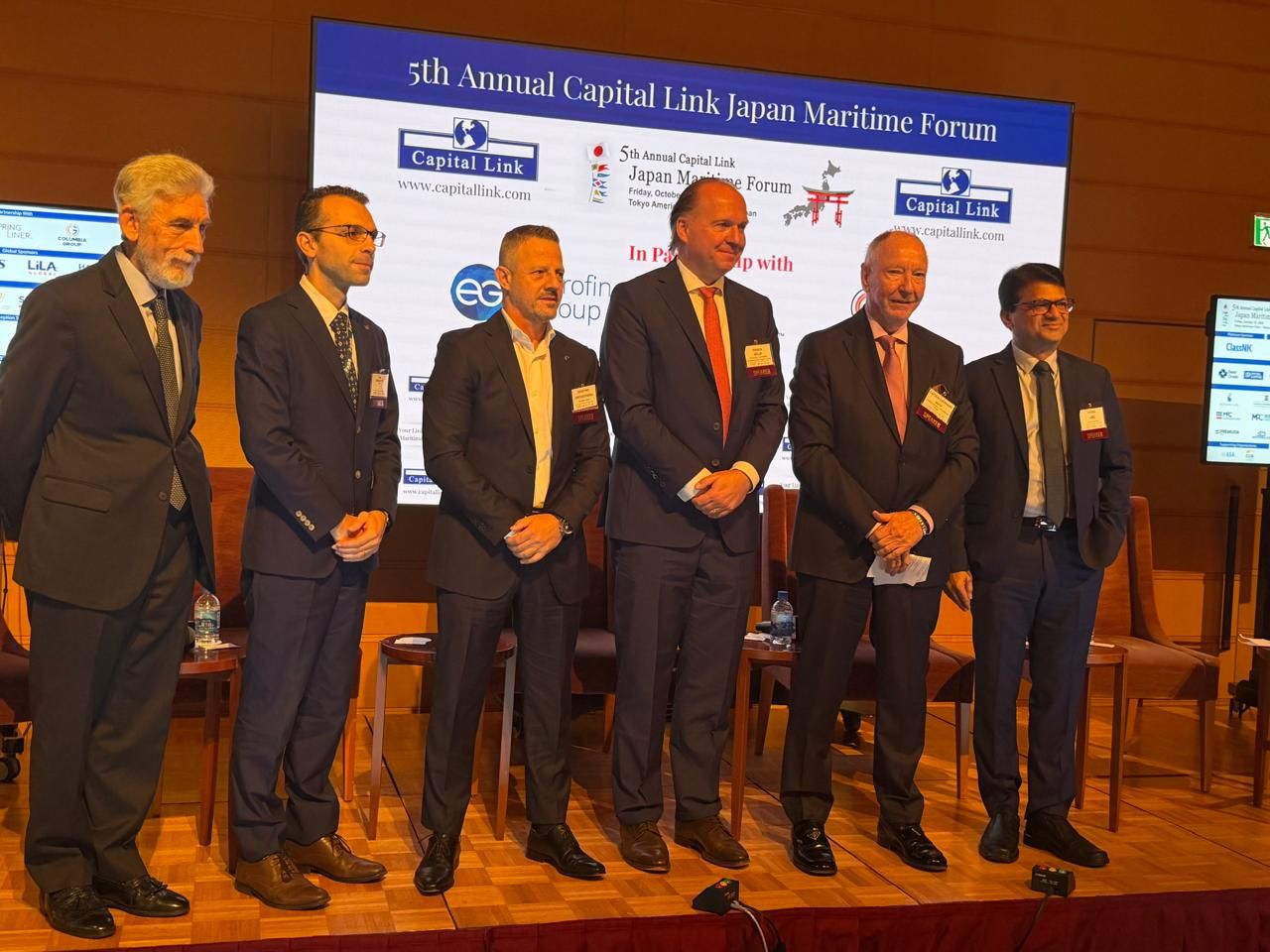
Speaking at the 5th Annual Capital Link Japan Maritime Forum in Tokyo on October 16, Koch, chairman, CEO and partner of Osterreichischer Lloyd Seereederei (Cyprus) Ltd, argued that maritime decarbonisation must be supported by the availability of genuinely zero-emission fuels and reliable infrastructure.
While reaffirming his support for reducing shipping emissions, he questioned the effectiveness of introducing carbon-based financial penalties before shipowners have sufficient access to viable alternatives.
He warned that small and medium-sized shipping companies could be particularly vulnerable to higher operating costs, with some of the additional financial burden potentially passed on to consumers.
Koch therefore called for a more practical regulatory approach, placing greater emphasis on fuel availability, technological readiness and improvements to the efficiency of existing fleets.
“Give us truly zero-emission alternative fuels, together with the reliable supply and infrastructure needed to use them and we will burn them!” he said.
He also urged the Japanese Shipowners’ Association to support efforts to reconsider the IMO framework in its current form, arguing that environmental regulations should encourage measurable emissions reductions rather than taxation alone.
His remarks came during a panel discussion entitled Optimizing Fleet Performance: Decarbonization, Technology & Asset Lifecycle, held at the Tokyo American Club.
Moderated by Matthew Mueller, vice president of ABS, the panel also featured Columbia Group deputy CEO Demetris Chrysostomou, Leonhardt & Blumberg managing director Torben Kölln and Hitesh Vyas, vice president for the Middle East and green recycling coordinator at Wirana Shipping.
Beyond regulatory concerns, participants examined the role of digitalisation, artificial intelligence, energy-efficient technologies and vessel lifecycle management in improving fleet performance.
Koch also questioned whether existing environmental performance measures adequately reflect the operational realities of shipping, stressing that fleet renewal and technological investment must be assessed against both their environmental benefits and commercial implications.
Meanwhile, the forum formed part of a wider programme of maritime engagements in Japan for OL Shipping Group, represented by Koch and chief operating officer and partner Sunil Kapoor.
Their visit included a Columbia Group reception on October 14, followed by the Cyprus Ship Registry reception hosted by Shipping Deputy Minister Marina Hadjimanolis on October 15.
The gatherings brought together representatives of the Cypriot and Japanese maritime communities, including shipowners, banking and leasing companies, providing opportunities to strengthen commercial relationships and promote the Cyprus flag.
For the Cyprus-based shipping group, the Tokyo meetings also offered an opportunity to exchange views with international industry representatives on the regulatory and technological challenges facing shipping.
Koch’s intervention, however, placed particular emphasis on the difficulties confronting smaller operators, arguing that the industry’s environmental ambitions must be matched by technically achievable and commercially viable solutions.




Click here to change your cookie preferences