
Strengthening transparency, meritocracy and good governance in the management and allocation of Turkish Cypriot properties remains a firm priority for the interior ministry, it said on Monday.
As part of these efforts, the Turkish Cypriot Properties Management Service has created an online form for submitting complaints and reports concerning the illegal use of Turkish Cypriot properties or other irregularities, available to the public.
The new digital service allows citizens to actively contribute to identifying possible violations through a direct and accessible reporting procedure.
According to the ministry, every complaint or report submitted with the complainant’s name will be examined with due seriousness and attention by the competent officials, with the aim of ensuring legality in the management of Turkish Cypriot properties.
The introduction of the new service forms part of the interior ministry’s broader efforts to modernise procedures and bring about substantial changes in the management of Turkish Cypriot properties by strengthening oversight and accountability mechanisms.
Interior Minister Constantinos Ioannou reiterated the government’s determination to ensure transparency, meritocracy and equal treatment of refugees.
Legislative reform
“Through the legislative reform introduced, the implementation of the new eligibility and points-based assessment system, the intensification of inspections, the termination of contracts, the recovery of properties and the reform of pricing policy, we are consistently moving forward with changing the way Turkish Cypriot properties are managed,” Ioannou said.
The main objective remains the establishment of a fair and reliable management framework that ensures legality, equal treatment of refugees and the protection of the public interest.
The misuse of Turkish Cypriot property has hit the headlines repeatedly in recent years and has been discussed at the House.
The Turkish Cypriot property management service admitted to allocating over 150 million square metres of land to a member of staff, however saying that this was 30 years ago and in line with procedures in place at the time.
In December 2024, evidence was presented linking underworld figures to illegal leasing. Investigations focused on 20 properties, uncovering shell companies generating millions.
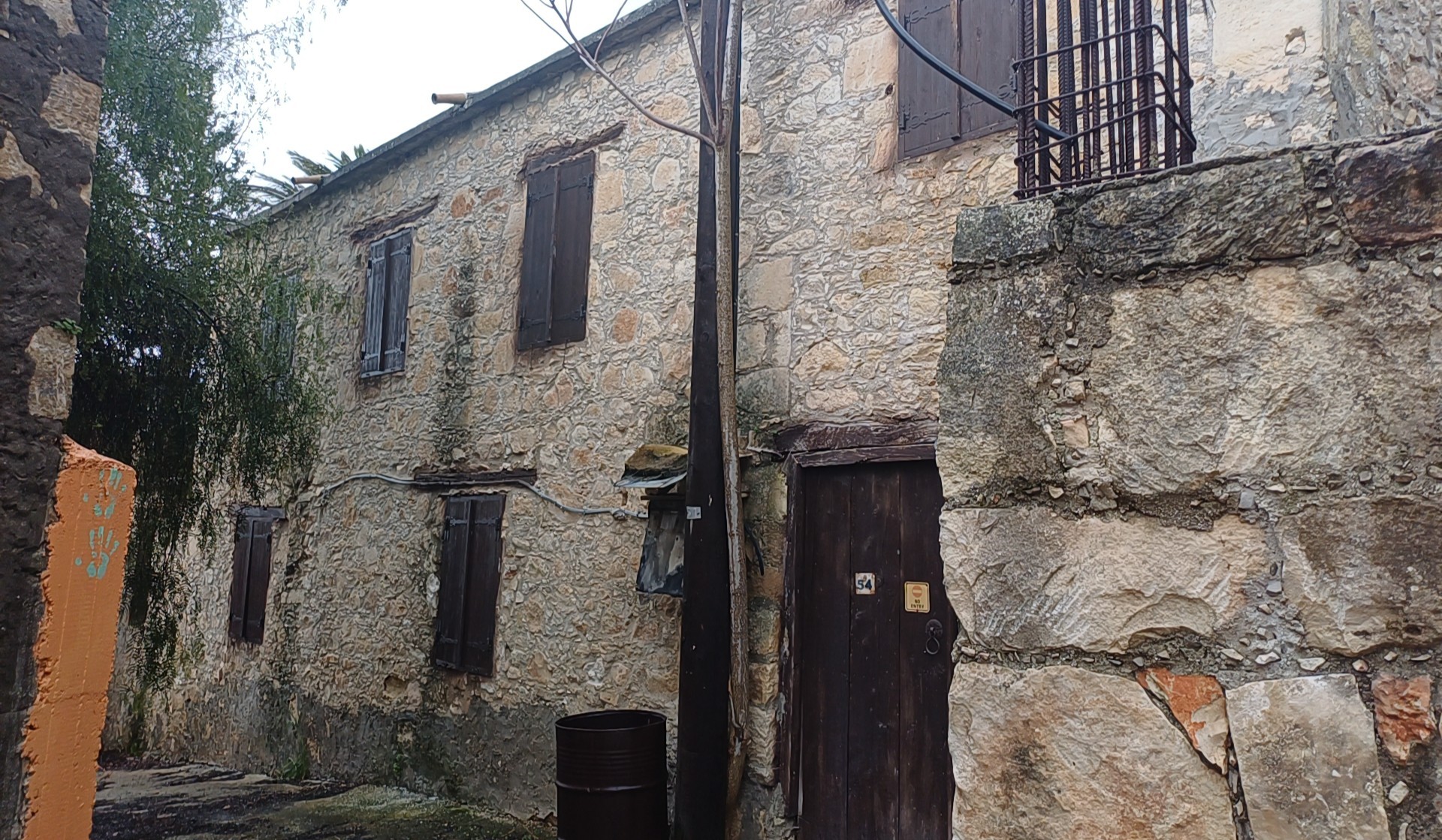
Turkish Cypriot properties were placed under state guardianship after the 1974 invasion, with the government allocating abandoned homes and land to Greek Cypriot refugees, although subsequent reforms allowed some properties, particularly in isolated villages, to be leased to non-refugees under specific conditions.





Click here to change your cookie preferences