

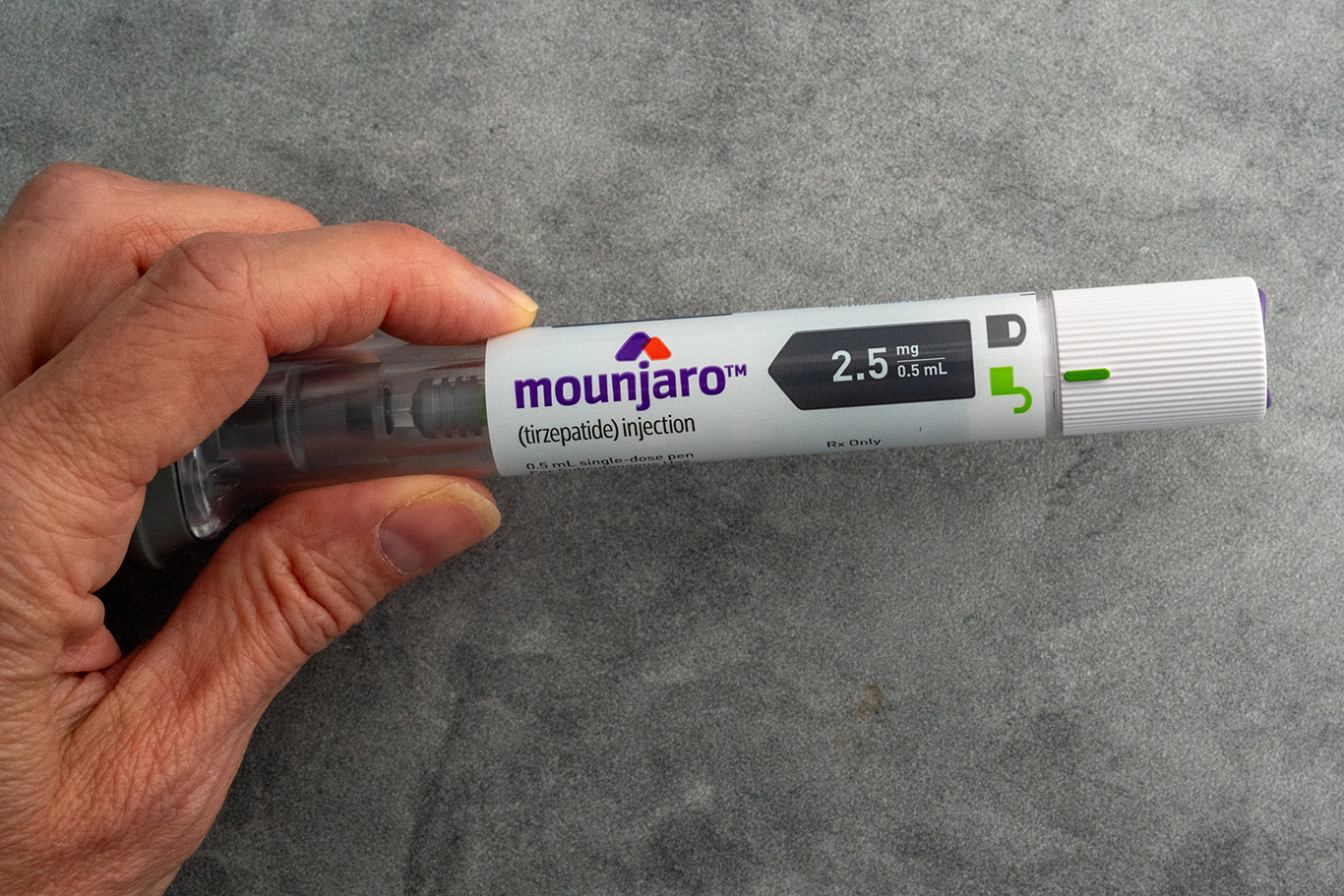
Weight-loss and diabetes Type 2 drug Mounjaro is now available on Gesy
For people living with obesity, weight-loss injections can offer hope after years of struggling to lose weight. But getting access to medication is only part of the journey. Patients also need medical guidance, realistic expectations and support to help them maintain their progress.
For Alexandra Monis, 45, from Larnaca, losing weight has never been as simple as eating less or exercising more. Doctors have told her she needs to lose 60kg, but depression, irregular periods, muscle and joint pain, sciatica and persistent migraines have made the journey even harder.
“Struggling to catch my breath, I move between doctors, dieticians and other healthcare professionals in search of answers. It’s tiring, annoying and so much hearsay without any proper feedback,” she says.
New rules under Gesy could give some patients another option. From October 15, Mounjaro became eligible for reimbursement for adults who meet the criteria for obesity treatment, as well as patients with Type 2 diabetes. Approval depends on the relevant medical requirements and prior authorisation.
However, the medicines do not work the same way for everyone, and they are not suitable for every patient.
Who qualifies under Gesy?
For obesity treatment, adults must have a body mass index (BMI) of at least 40. Those with a BMI of 35 to below 40 may also qualify if they have established atherosclerotic cardiovascular disease or moderate to severe obstructive sleep apnea.
Initially, Mounjaro will be dispensed only through state hospital pharmacies. The other obesity/diabetes drug, Ozempic will remain available through private pharmacies under the revised protocol for Type 2 diabetes. Under the updated Gesy guidance, Ozempic is the first-choice option between the two medicines for patients with Type 2 diabetes, regardless of their body weight.
The issuing of prescriptions for both drugs is restricted to specialists, including endocrinology, specialist pathology and geriatrics, as well as designated adult general medicine practitioners.
Patients must meet the relevant criteria and submit the required medical documents. Reimbursement is not automatic.
Treatment may be reimbursed for up to two years, provided patients continue to meet the criteria.
Different patients, different results
Although Mounjaro and Ozempic are both used to treat Type 2 diabetes, they work differently. Mounjaro contains tirzepatide, which acts on two hormone receptors involved in blood sugar regulation and appetite. Ozempic contains semaglutide, which acts on one of these receptors.
Both medicines are taken once a week, and weight loss is a recognised effect.
Clinical trials have found that tirzepatide can lead to greater average weight loss than semaglutide in certain comparisons. But individual experiences can differ considerably.
A 27-year-old man who had recently been diagnosed with Type 2 diabetes said he lost 11lb, or about 5kg, during his first two weeks on Mounjaro. He experienced diarrhoea during the first three days, but said it later subsided. He also planned to exercise and increase his protein intake.
Another patient reported better blood sugar control after switching to Mounjaro following about 18 months on Ozempic. The patient said they had lost 51lb, or about 23kg, since February and had not experienced stomach upset after the switch.
For others, the experience has been more difficult.
A 58-year-old woman taking Ozempic reported that her HbA1c, a measure of average blood sugar levels, fell by 0.7 percentage points. However, she also experienced fatigue, anxiety, insomnia and abdominal bloating. She said she had not lost weight and was seeking medical advice.
Another patient described gastrointestinal problems after six months on Ozempic, with little meaningful weight loss, and was considering switching to another medicine.
These experiences show how differently patients can respond to treatment. They do not, however, establish whether the medicines caused every reported symptom or indicate what another patient might experience.
Doctors stress that weight-loss injections should not be seen as a substitute for healthy habits. A balanced diet, regular physical activity and changes to daily routines remain important parts of managing weight.
Medical supervision matters
Nausea, vomiting, diarrhoea, constipation and abdominal discomfort are recognised side effects of both medicines. In more severe cases, gastrointestinal symptoms can make it difficult to eat or drink enough, increasing the risk of dehydration. Patients should seek medical advice if symptoms are severe or persistent.
An endocrinologist, who asked not to be named, said patients should have a thorough nutritional assessment before starting treatment.
“Before prescribing these injections, it is important to assess the patient’s nutritional habits and explore whether dietary changes and other lifestyle measures could help achieve their goals,” she said.
“These medicines can cause gastrointestinal side effects, including nausea, vomiting and diarrhoea, so patients need to understand the potential risks and be properly assessed and monitored throughout treatment.”
There are also questions about what happens when treatment ends. A doctor has warned that appetite may return and weight may increase after patients stop taking Ozempic or Mounjaro, making long-term weight management and medical follow-up important.
Patients should speak to their doctor before changing their dose, stopping treatment or switching medicines. They should also discuss hydration, nutrition and any other medicines they take.
Beyond the prescription
The revised Gesy rules could make treatment accessible to more eligible patients, but they also bring new responsibilities for healthcare professionals. Doctors, pharmacists and other members of the care team will need to help patients understand the requirements, manage side effects and navigate treatment safely.
For Monis, the struggle is about more than the number on the scales. Her experience highlights how obesity can affect different aspects of a person’s health and why treatment needs to take those wider challenges into account.
Mounjaro and Ozempic may help some patients, but neither is a guaranteed solution. Their potential benefits must be weighed against the risks, side effects and commitment involved in ongoing treatment.
For people who have spent years searching for answers, access to medication can be an important step. Having the right medical support and a treatment plan that takes their individual needs into account may be just as important.





Click here to change your cookie preferences