
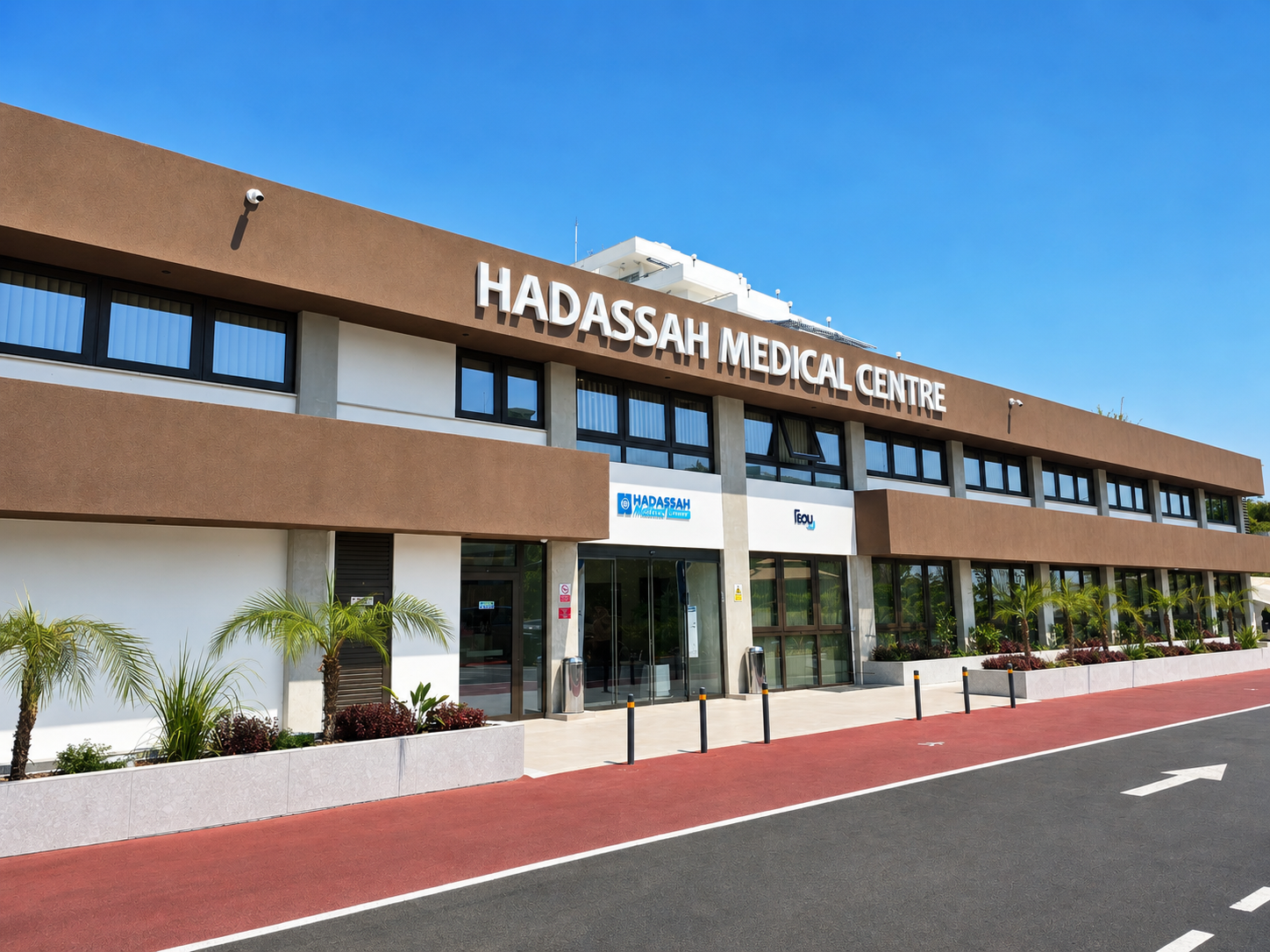
Hadassah Medical Centre Limassol said on Thursday that it operates legally with the required licences and has never performed plasmapheresis on a patient.
In a statement, the centre said an earlier report made by Politis gave “misleading impressions that require immediate correction”.
It denied that specific complaint was pending, and it had not been informed of any finding that questioned its current operation.
Politis had reported that the health ministry was examining new complaints and that the centre holds only an imaging centre licence.
Deputy permanent secretary Elisavet Constantinou told the paper it has no hospital licence or other licence to operate as a healthcare facility, though Politis clarified that this in itself did not make any other activity unlawful.
Hadassah said a separate medical centre licence is not required for its current activities beyond professional and individual requirements, and that the licence for its radiology department had been secured.
It said a possible upgrade to a day care unit would be a separate licensing process and did not mean it was waiting for a licence for its current services.
On plasmapheresis, Politis reported that ministry inspectors had found the equipment during an inspection.
Hadassah said the equipment “was not concealed” and that a list naming the plasmapheresis system and an ozone therapy unit was sent to the ministry on August 26 as part of the final file for the imaging centre licence.
“The purchase of equipment for a planned service does not constitute proof that the service was provided,” it said.
Politis had also pointed out that only three doctors appear on the centre’s website.
Hadassah said it had already given the paper a list of 15 doctors and two clinical dietitians, and that it employs five licensed nurses and seven physical therapy and exercise professionals.
A further 15 doctors are under discussion with Hadassah but have not been announced as according to the centre “approvals are incomplete”, and it is not presenting them yet as partners.
Politis reported that some examinations or treatments may have involved doctors in Israel taking part by telephone or video link, a claim it said had not been independently verified.
Hadassah called this a misrepresentation of its second opinion service, expanding that the local doctor reviews the file and, if a second opinion is warranted and the patient agrees, prepares a report with specific clinical questions for a specialist at Hadassah in Jerusalem.
The process “does not involve tele-guidance” of a procedure in Cyprus by a doctor in Israel, it insisted.
Chief executive Dr George Zachariadis had earlier given Politis no direct answer on teleconference participation.
The centre said it “accepts the audit and responds with evidence” but would not tolerate publications that harm its reputation through “inaccuracies and insinuations”.
The centre, based in Ayios Tychonas, has no operating theatres or inpatient beds and advertises its offering being imaging, cardiac assessment, neurological rehabilitation and physiotherapy.
In Israel, news outlet Calcalist reported that the health and finance ministries were not informed of the project beforehand.
Hadassah said it “did not invest a single shekel” in the centre, which is financed by Cypriot investors.
From November 21, all referrals from Cyprus to Hadassah in Jerusalem will go through Limassol.
The Cyprus Mail approached the Hadassah medical centre, as well as both the Cypriot and Israeli health ministries for comment.



Click here to change your cookie preferences