
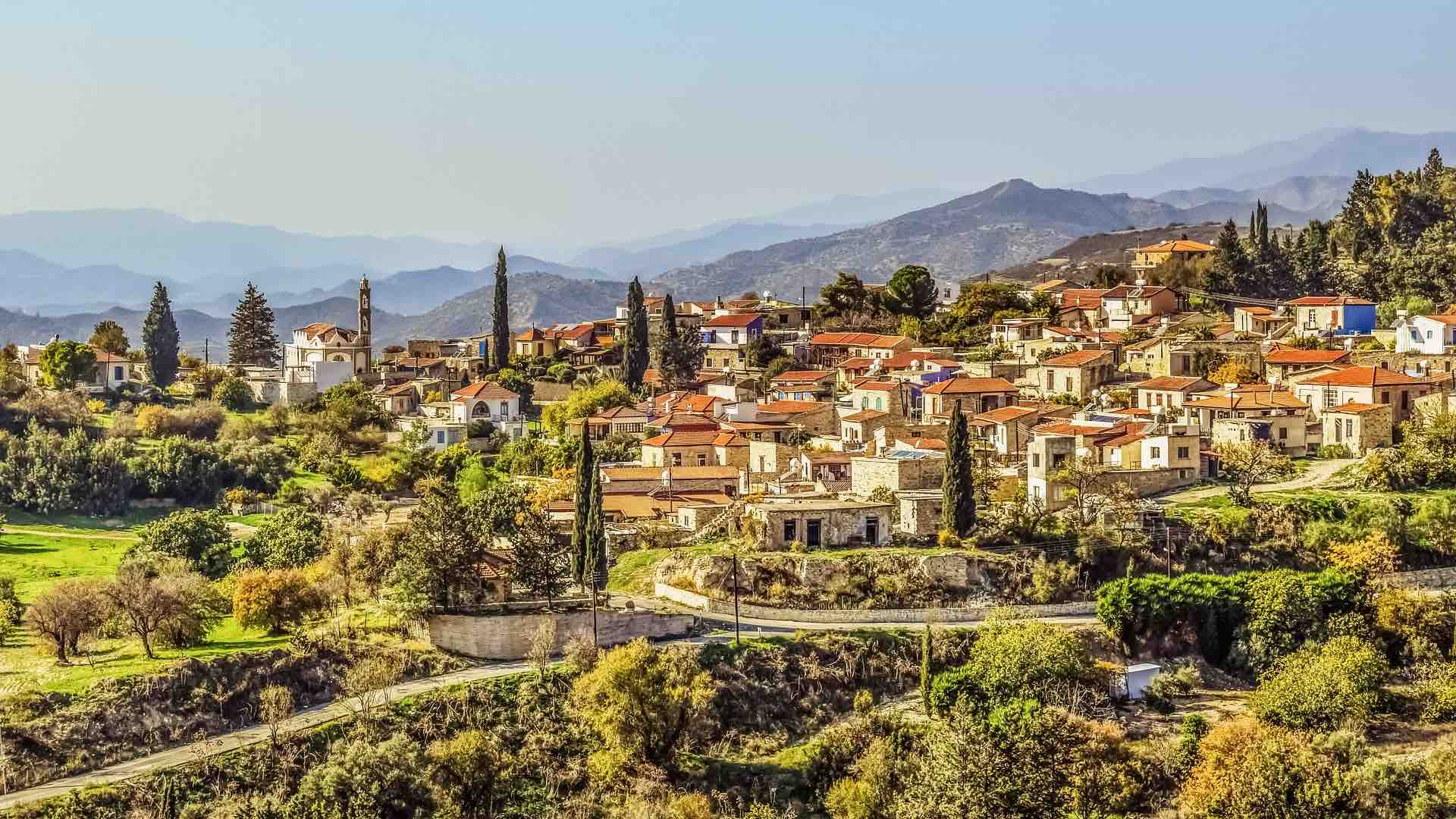
Distilled from indigenous Cypriot grape varieties, a tradition shaped by the island’s climate, winemaking heritage and centuries of local production
A couple of weeks ago LOEL celebrated 30 years of its Zivania, which has reached iconic status among lovers of this grape marc spirit. Zivania is a traditional alcoholic beverage, which has been produced for centuries in Cyprus by distillation, playing an important role in the everyday life of Cypriots.
Zivania is produced by distillation. A strong drink, it is high in alcoholic content, which according to tradition is made only from grapes. Since 2004, Zivania has been protected under EU regulations as a product unique to Cyprus and as such cannot be produced in any other country or marketed under that name. In 2008 it was classified with Protected Geographical Indication.
Zivania is characterised by its typical taste and aroma. It is colourless with a pleasant alcoholic content with light aroma of raisins. The typical alcohol content is 45% by volume. It is a pure drink that contains no sugars and has no acidity.
From tradition to protected status
Historical references to Zivania are few, probably because travellers and writers focused on the excellent Cyprus wine. Giovanni Mariti in the late 18th century tells of a drink which he names Acquavite with a description that perfectly resembles Zivania. He also mentions that this drink was exported to Syria.
Evidence of its continued production during the Ottoman and British occupation of the island comes from British writer Samuel Baker, who in 1879 reported: “…the refuse of skins and stalks is laid upon one side to ferment for the manufacture of raki, or spirit, by distillation…”
Until 1949, wine producers used to sell Zivania to wine and spirit merchants. In that year a colonial decree made the distribution of Zivania by the wine producers illegal (because the government found it too difficult to collect excise duties), thus sending production underground.
The above-mentioned colonial decree was abolished in 1998 and since then the production of Zivania has been legal, allowing producers to market it under its proper name. Quality control is ensured by the Vine Products Commission according to the Rules and Regulations of 1998 for the control of Zivania.
Zivania can only be produced in industrial units which have received approval from the Customs Department, and its distillation apparatus approved by the agriculture ministry. As a result of the new regulation, Zivania quality improved significantly.
How Zivania is produced
Zivania is produced from pomace, the residue of grapes pressed during the winemaking process mixed with high-quality dry wines, all produced from the local grape varieties of Cyprus. It is exclusively produced by the distillation of the two indigenous varieties Mavro and Xynisteri.
The process adopted for the fermentation is the one which is used for red wine making, irrespective of the grape varieties, but fermenting the whole grape mass.
The bouquet of Zivania is ensured by the volatile compounds which are transferred from the grape residue during distillation. The pomace/wine mixture is distilled in special distillation apparatus which was traditionally named ‘lambkins’, an ancient Greek word that was paraphrased by the Arabs.
Traditional distillation, as known by villagers, has today given way to modern technology and Zivania is produced in large distillation tanks made from stainless steel where the wine is mixed with the grape mass and heated up in steam. All approved Zivania producers have in-house chemical labs for analysing the final product before this reaches the market, checking that methanol levels are within the specified limits.
What makes Zivania unique
There are similar products from other countries. In mainland Greece the distillate is called tsipouro, on the island of Crete tsikoudia, in Arab speaking countries arak, in Bulgaria rakea, in Romania tsuica, in Italy grappa, in France eau-de-vie, in Slavic states vinovice and so on. Not all these drinks are made exclusively from grapes.
The authentic taste and aroma (which is a Greek word, meaning pleasant smell) of Zivania is due to its unique chemical composition and it is ensured by the volatile compounds which are transferred from the grape residue during distillation. It is believed that the differentiation between Zivania and other alcoholic beverages is related to the unique geological and climatic conditions existing in Cyprus, the methods of production and distillation and the type of grapes.
Climate of course influences the quality of both grapes and Zivania. Cyprus has an intense Mediterranean climate, with hot, dry summers and short spring and autumn seasons. Average temperatures during ripening strongly influence potential wine and Zivania style. Sunlight duration is also very important, and it acts mainly by controlling the sugar in grapes. The most critical period for quality of the grapes is around the start of ripening. Good conditions ensure an ample reserve of sugar in the grape and flavour and aroma compounds in Zivania. Wind intensity and relative humidity and evaporation affect both quantity and quality of grapes and Zivania.
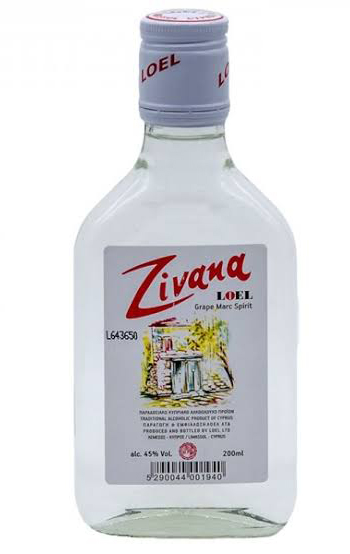
Zivania LOEL ABV 45%
Distilled from a mixture of local Xynisteri and Mavro grape pomace and dry wines. Crystal-clear appearance with a light raisin aroma, clean alcoholic warmth, and a dry finish. It contains zero sugar and zero acidity. Usually served ice-cold as an aperitif or digestif, paired with Cypriot meze, nuts, dried fruits, or savoury snacks. 20cl €4.30, 37.5cl €7, 70cl €12.50, 100cl €17.50




Click here to change your cookie preferences