
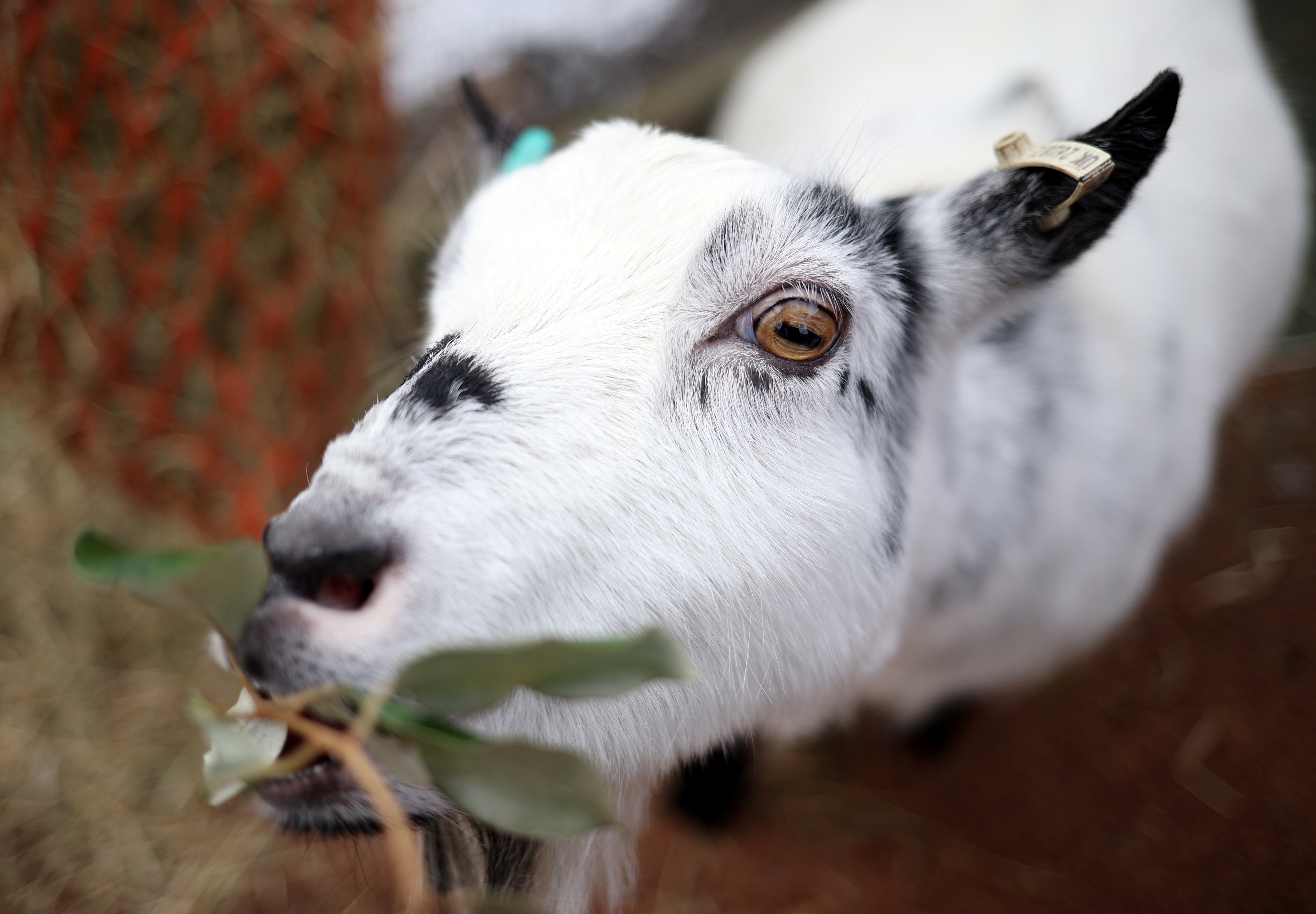
A total of 28 goats and sheep were transferred to a livestock unit in the Pachna area of Limassol on Tuesday.
“For us, this is something very special because we have been through a lot over these six months,” said farm owner father Christos, referring to the outbreak of foot and mouth (FMD) that broke out on the island in February.
He said it would take 30 to 40 days to confirm that the animals were healthy and to resume operations, with costs for the purchase of the animals borne by the farmers themselves.
Father Christos said buying the animals from another farm was difficult, as the necessary sampling tests had to be carried out first, with farmers concerned that their animals might test positive for foot-and-mouth disease.
Head of the Voice of Livestock Breeders Neophytos Neophytou described Tuesday as a “landmark day”.
“The start of the re-establishment of the first unit is now a reality, and we want to see, within the next few days, animals being brought into the remaining units as well, so that sheep and goat farming can be re-established, which will also have a positive impact on halloumi, which is the main issue,” he said.
According to Neophytou, approximately 90 per cent of the affected livestock farmers want to restart their businesses, but are having difficulty buying animals.
This, he said, was because the veterinary services required samples to be taken “with the result that farmers who can provide ‘control samples’ are afraid of the possibility of a positive result for foot-and-mouth disease”.
He called on the agriculture ministry and the veterinary services to immediatly resolve the issue, noting the matter must be prioritised before discussing amendments to the new halloumi quota that had been decided on as a result of the outbreak of the disease.
Neophytou said farmers had firmly rejected any changes to the amount included in the production of halloumi, emphasising that this was necessary to protect the product.
This is the first time animals have returned to a farm since the outbreak of FMD in February, which resulted in the culling of more than 80,000 animals and the closure of several farms across the island.

Click here to change your cookie preferences