
Eight nations stage Nemesis exercise in sea off Limassol
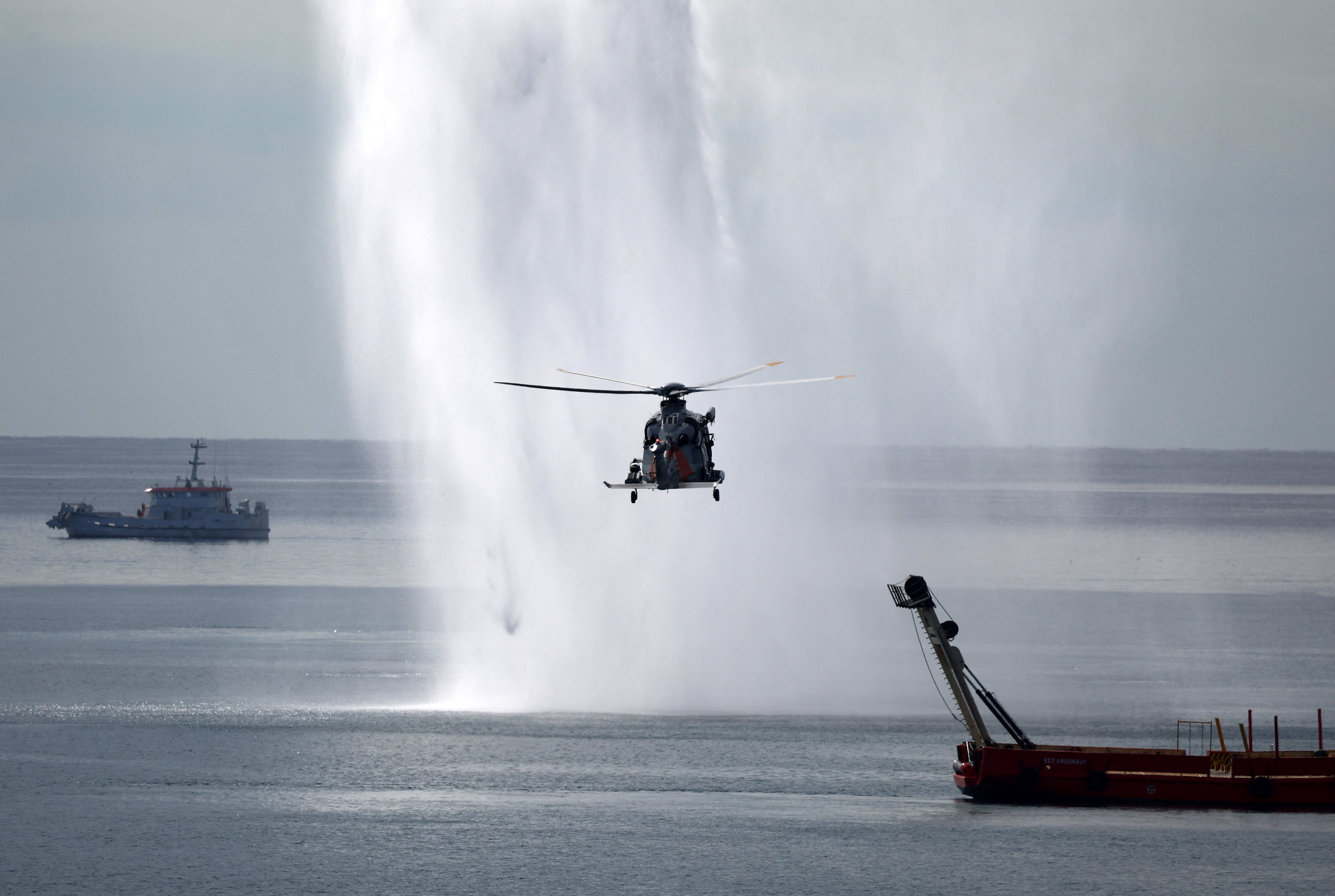
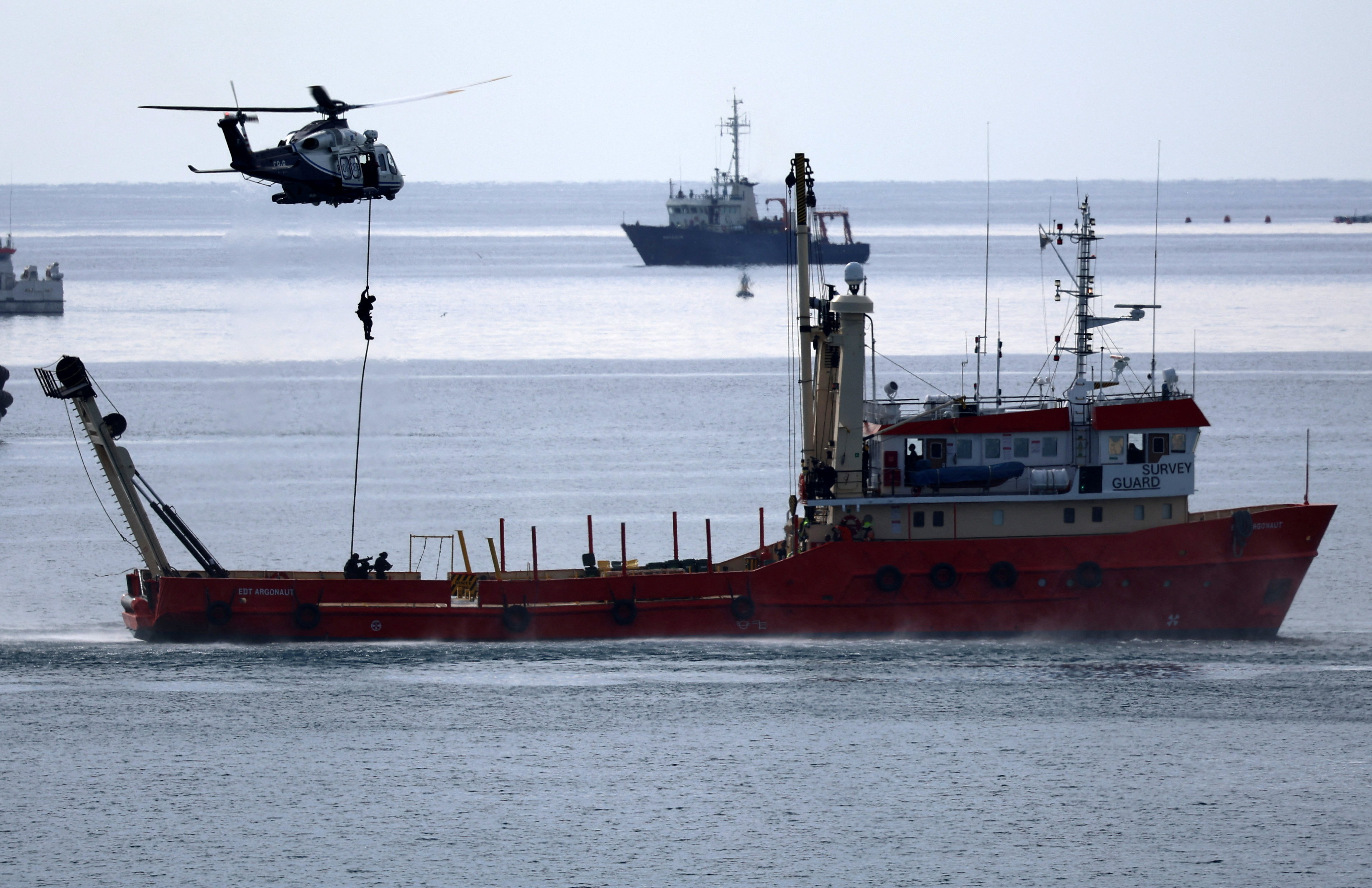
A simulated terrorist hijacking, a hostage rescue operation, mass evacuations and a major oil spill were staged during the multinational Nemesis 2026 exercise on Wednesday, bringing together eight countries, 860 personnel and 39 naval and aerial assets in Cyprus’ Exclusive Economic Zone (EEZ).
Defence Minister Vasilis Palmas said the protection of Cyprus’ maritime territory, the safeguarding of its sovereign rights and security in the eastern Mediterranean remain firm priorities for the Republic.
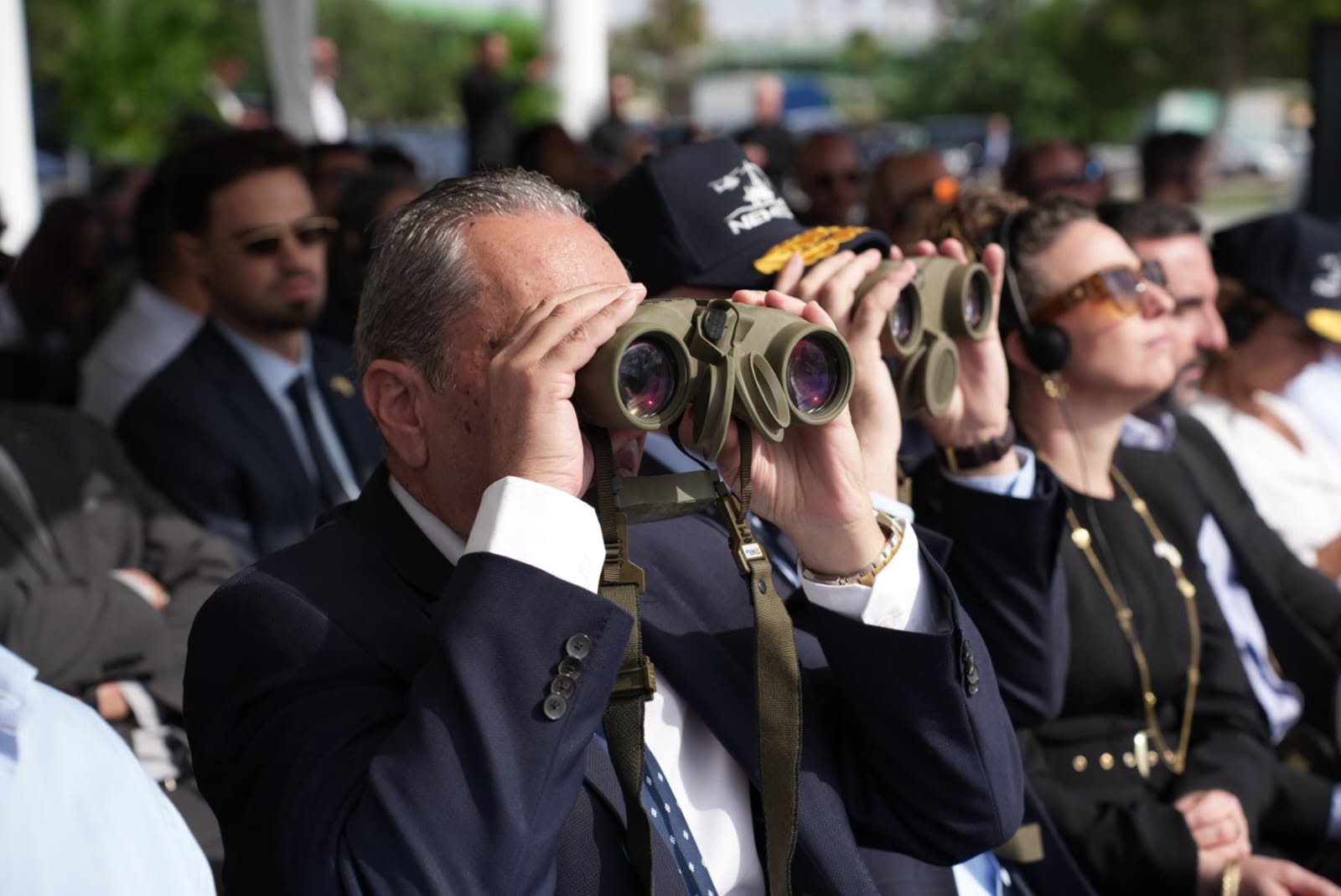
Speaking at the Evangelos Florakis Naval Base in Mari, where senior officials and foreign diplomats observed the exercise, Palmas stressed that Cyprus’ geographical position, at the crossroads of three continents and in a region of considerable geopolitical and strategic importance, makes the sea an integral part of its national security.
“The protection of our maritime space, the safeguarding of our sovereign rights and the maintenance of security in the eastern Mediterranean are steadfast priorities of the Republic of Cyprus,” he said.
Palmas also linked maritime security directly to the development of Cyprus’ offshore energy resources.
“We fully recognise that the exploitation of natural resources within the Exclusive Economic Zone creates significant opportunities. These opportunities, however, come with responsibilities concerning the security of infrastructure, the protection of activities and the safeguarding of a stable and predictable environment for cooperation,” he said.
Opportunity to test Cyprus’ ability to respond
The minister described Nemesis 2026 as an important opportunity to test Cyprus’ ability to respond to terrorist attacks, search-and-rescue emergencies and marine pollution incidents within its EEZ.
He said the exercise allowed participating countries to assess their operational capabilities, test existing procedures and strengthen cooperation and coordination.
Initiatives such as Nemesis, he added, carry particular political and strategic significance, demonstrating a shared commitment to addressing challenges that extend beyond national borders.
Egypt, France, Greece, Israel, Italy, the United Kingdom and the United States took part in the exercise.
“The success of today’s exercise is the result of a collective effort and confirms that cooperation and proper coordination are essential conditions for effectively addressing challenges in maritime security,” he said.
Speaking to the Cyprus Mail, he said the government’s consistent western foreign policy orientation had strengthened Cyprus’ international credibility.
“The Republic of Cyprus now has a consistent, stable, western-oriented political approach, particularly in its foreign relations,” he said. “It is within this framework that we are building our bilateral, trilateral and quadrilateral relations.”
Palmas said the effectiveness of this approach was being demonstrated in practice, pointing to the government’s foreign policy choices and the partnerships developed with other countries.
Cyprus National Guard takes part
National Guard chief Lieutenant General Emmanouel Theodorou said the National Guard’s participation provided another opportunity to assess its capabilities and improve coordination between its naval and aerial assets.
He stressed that the ability to conduct coordinated operations in the complex environment of the eastern Mediterranean was essential for responding effectively to incidents that could endanger human life, maritime security and critical infrastructure.
“The National Guard will continue to contribute actively to the collective effort to address any crisis, maintaining a high level of operational readiness and strengthening cooperation with our national authorities and international partners,” he said.
Greek participation in the exercise included the Hellenic Navy frigate HS Adrias, two F-16 Viper fighter jets, an AS-332 Super Puma search-and-rescue helicopter and a C-130 transport aircraft.
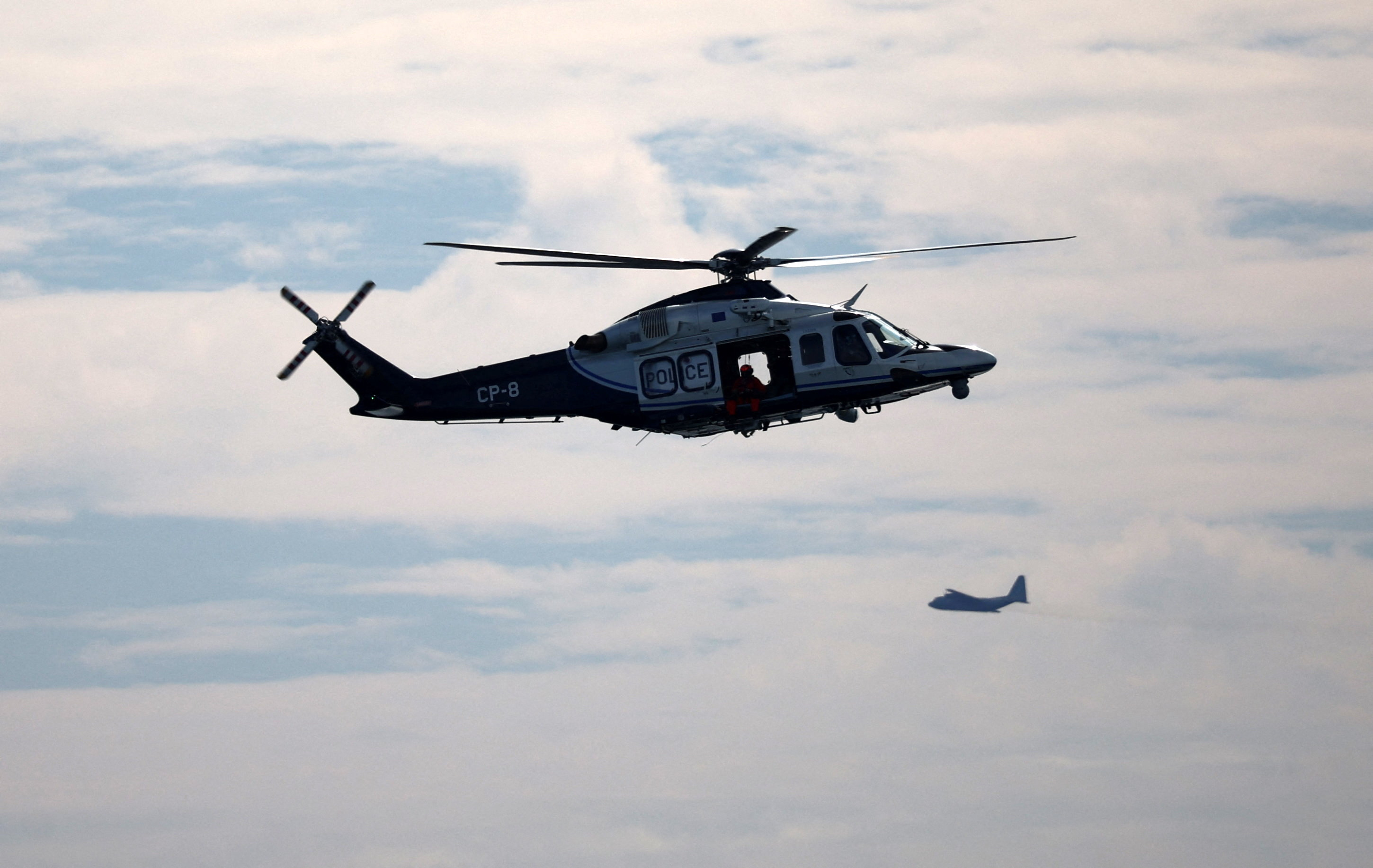
Israel contributed a naval vessel, accompanied by an unmanned system, as well as the pollution-response vessel and three aircraft used in the pollution-response phase.
France participated with a maritime patrol aircraft, while Italy contributed with observers from the Italian Coast Guard, the United Kingdom, Egypt and the United States sent observers.
Simulated a series of events
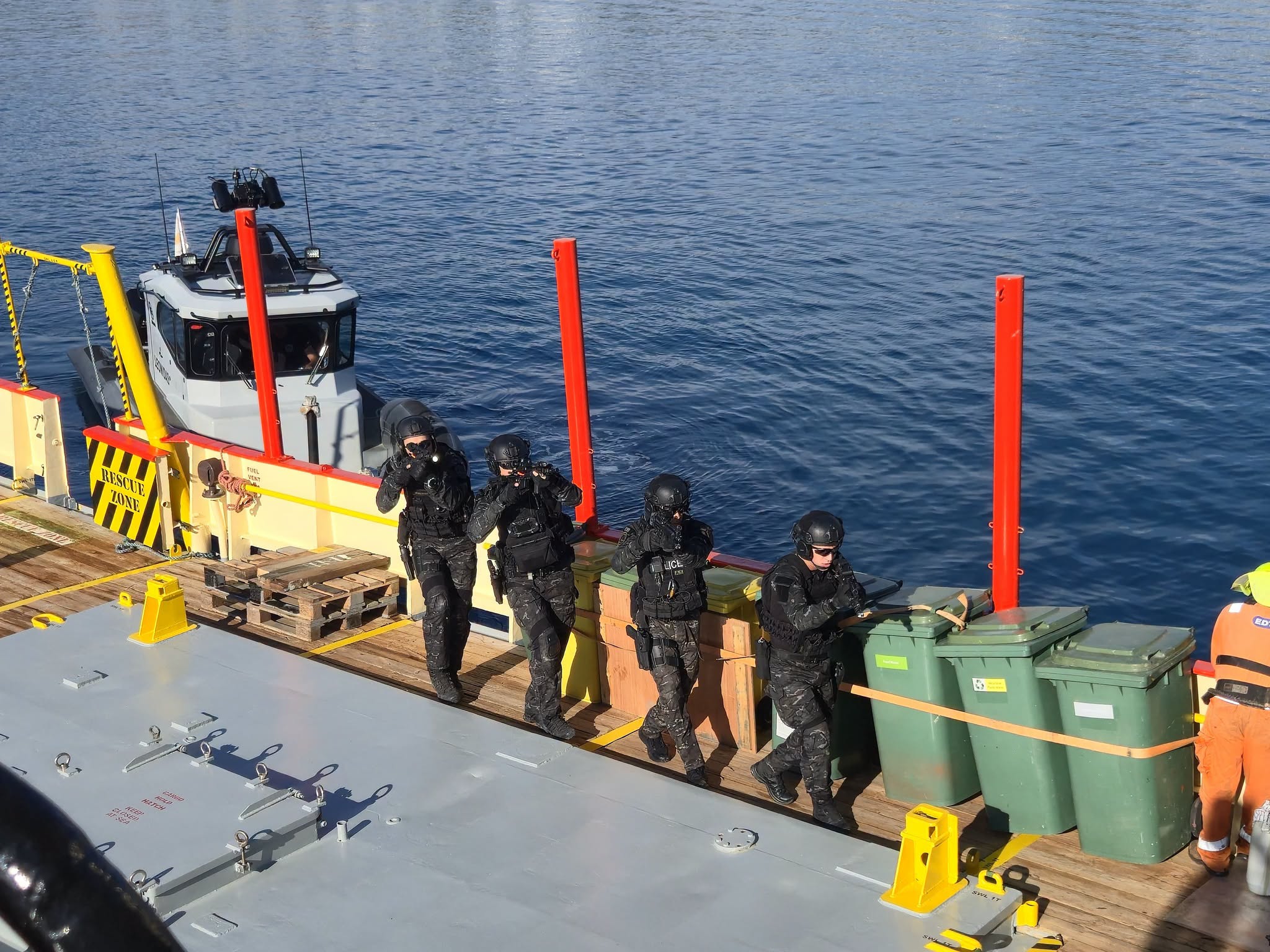
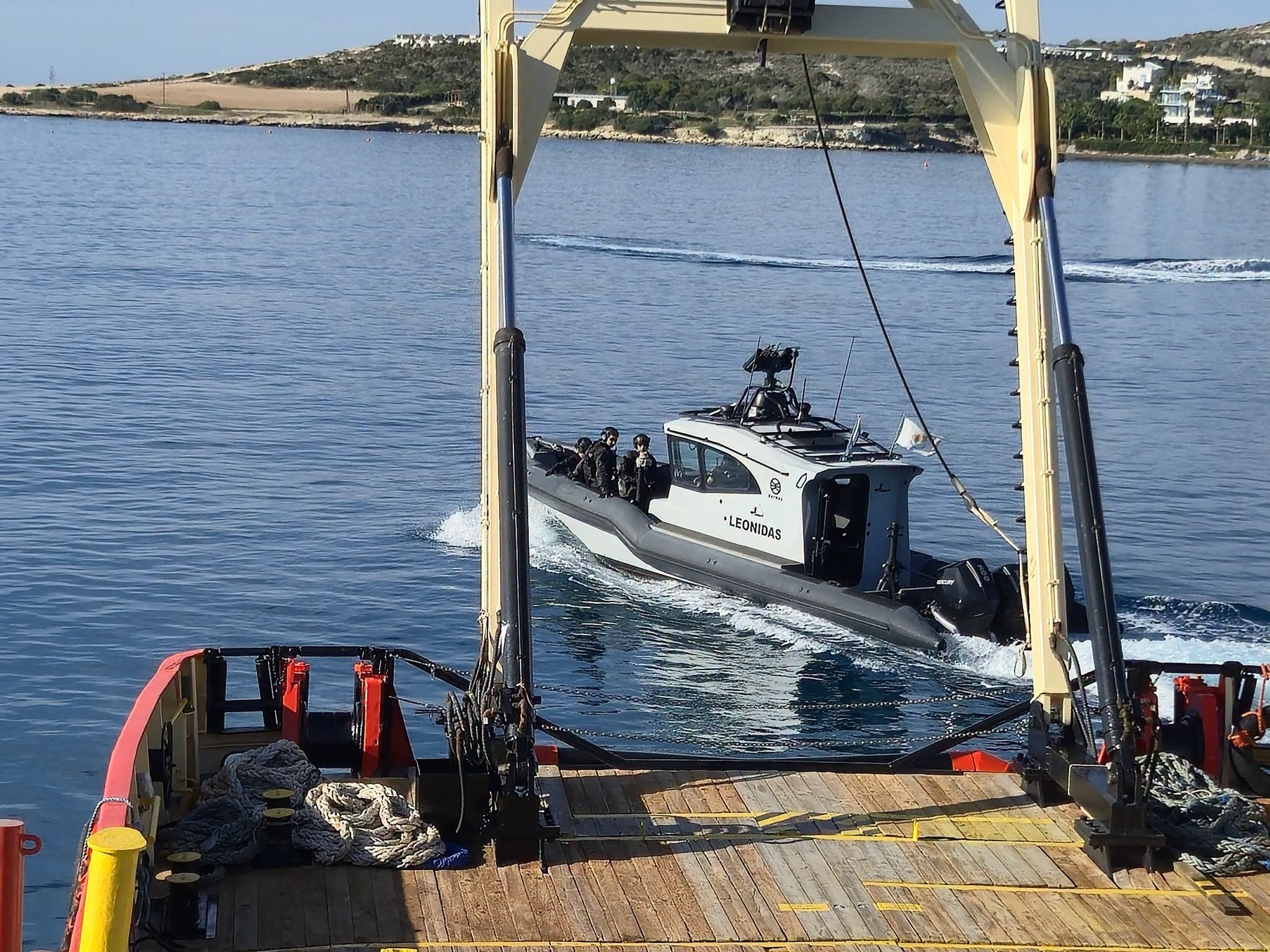
The exercise simulated a series of escalating incidents involving offshore oil and gas operations within Cyprus’ EEZ. The assault involved coordinated operations by police tactical teams approaching the vessel from both the sea and the air.
The large police patrol vessel Pentadaktylos served as a forward command and control centre, carrying MMAD commander and liaison officers. Two fast patrol boats supported the operation.
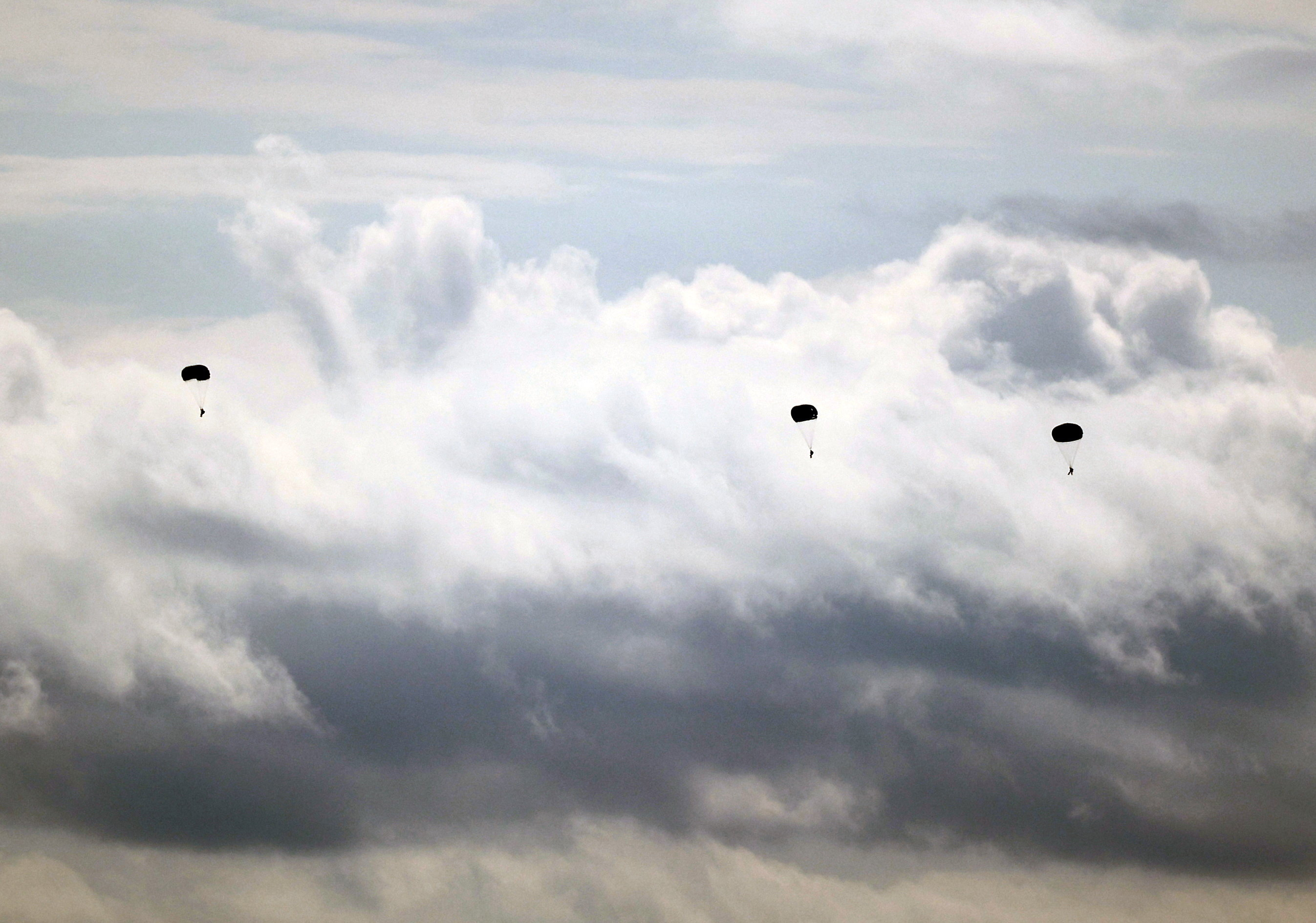
The second phase involved a simulated fire aboard a support vessel, with crew members trapped and others injured. The exercise also saw four rescuers from the Underwater Demolition Unit lowered into the sea before being recovered by helicopter.
The third phase simulated a mass rescue incident at sea, involving a large number of people in distress.
The operation tested Cyprus’ ability to coordinate multiple rescue assets simultaneously under the national search-and-rescue plan Tefkros.
The fourth and final phase involved a simulated marine pollution incident following the earlier emergencies.



Click here to change your cookie preferences