
Cyprus and Greece are determined to proceed with the Great Sea Interconnector (GSI), Defence Minister Vasilis Palmas said on Wednesday, stressing that maritime activities carried out within the framework of international law required no justification to third parties.
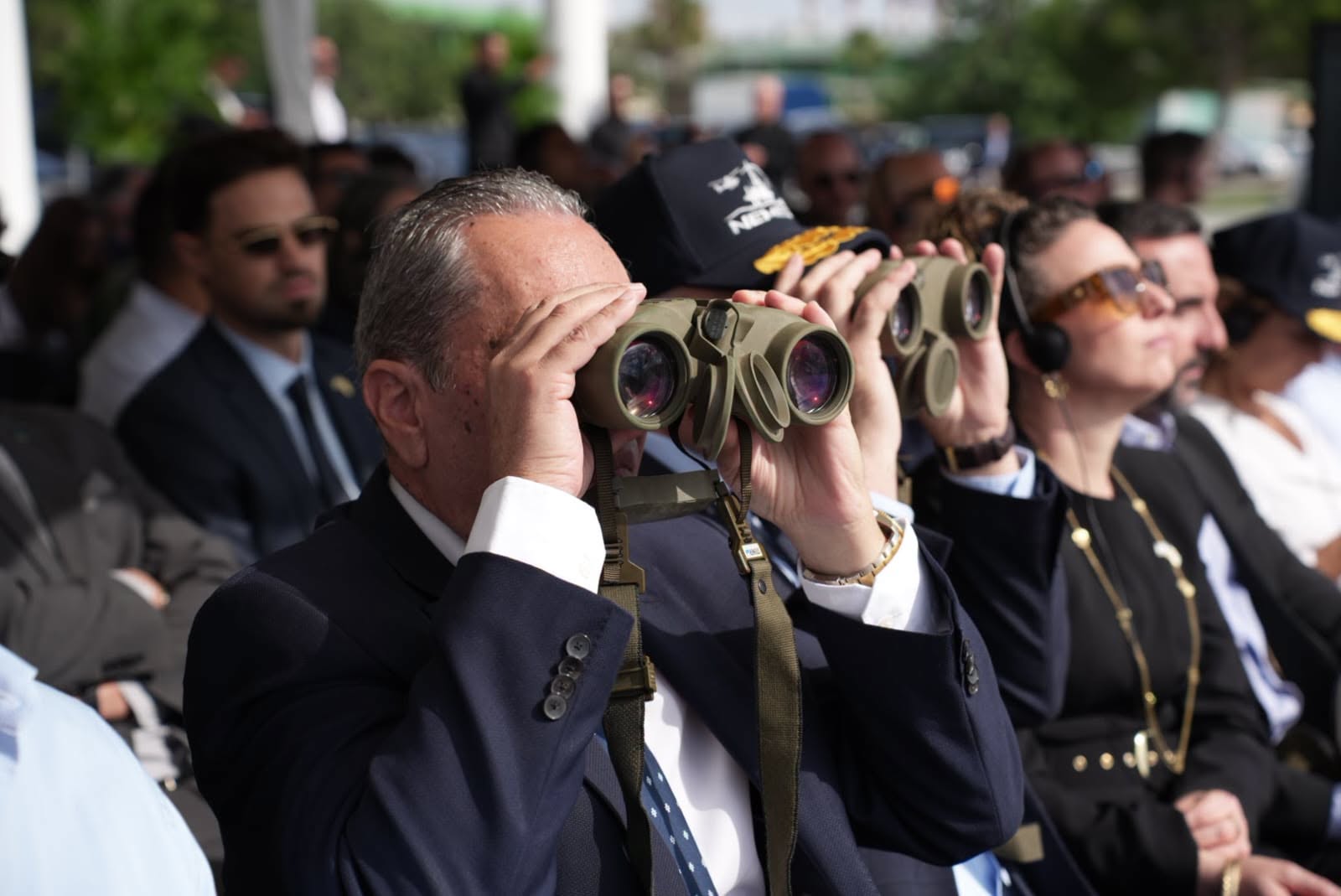
Speaking on the sidelines of the multinational Nemesis 2026 exercise, he was asked about Turkey’s possible reaction when the survey vessel involved in the project enters Cyprus waters.
“The activities carried out by Greece and Cyprus are activities conducted within the framework of international law, namely the international law of the sea,” he said.
“We are exercising powers granted to us under international law. We have no obligation to account to anyone, in the negative sense of the term, as long as we operate within that framework.”
Palmas described the GSI as a project of considerable geopolitical importance and reiterated the government’s determination to move forward.
He stressed that the interconnection was also a project of European interest, involving two European Union member states and supported by European funding.
The minister referred to the EU’s financial contribution to the project, which he put at approximately €630 million, and said efforts were being made to create the conditions necessary for its completion by 2031.
Asked about the broader climate surrounding the project, Palmas said he believed conditions were favourable but called for restraint in public statements.
“I believe the climate is good. We should say less and do everything necessary to move towards the practical implementation and completion of this project, always with seriousness and responsibility, without raising tensions or creating a confrontational atmosphere through our statements and remarks,” he said.
The French research vessel Abeille Marengo left the port of Crete on Tuesday night to begin a seabed survey. The move has been followed by a string of Navtex and anti-Navtex notifications by Greece, Cyprus and Turkey.



Click here to change your cookie preferences