
Assets worth more than €51.5 million have been frozen in Cyprus since 2023, with approximately half the total linked to investigations involving the controversial golden passport scheme, police told parliament on Thursday.
More than €32 million was frozen in the first eight months of 2026 alone.
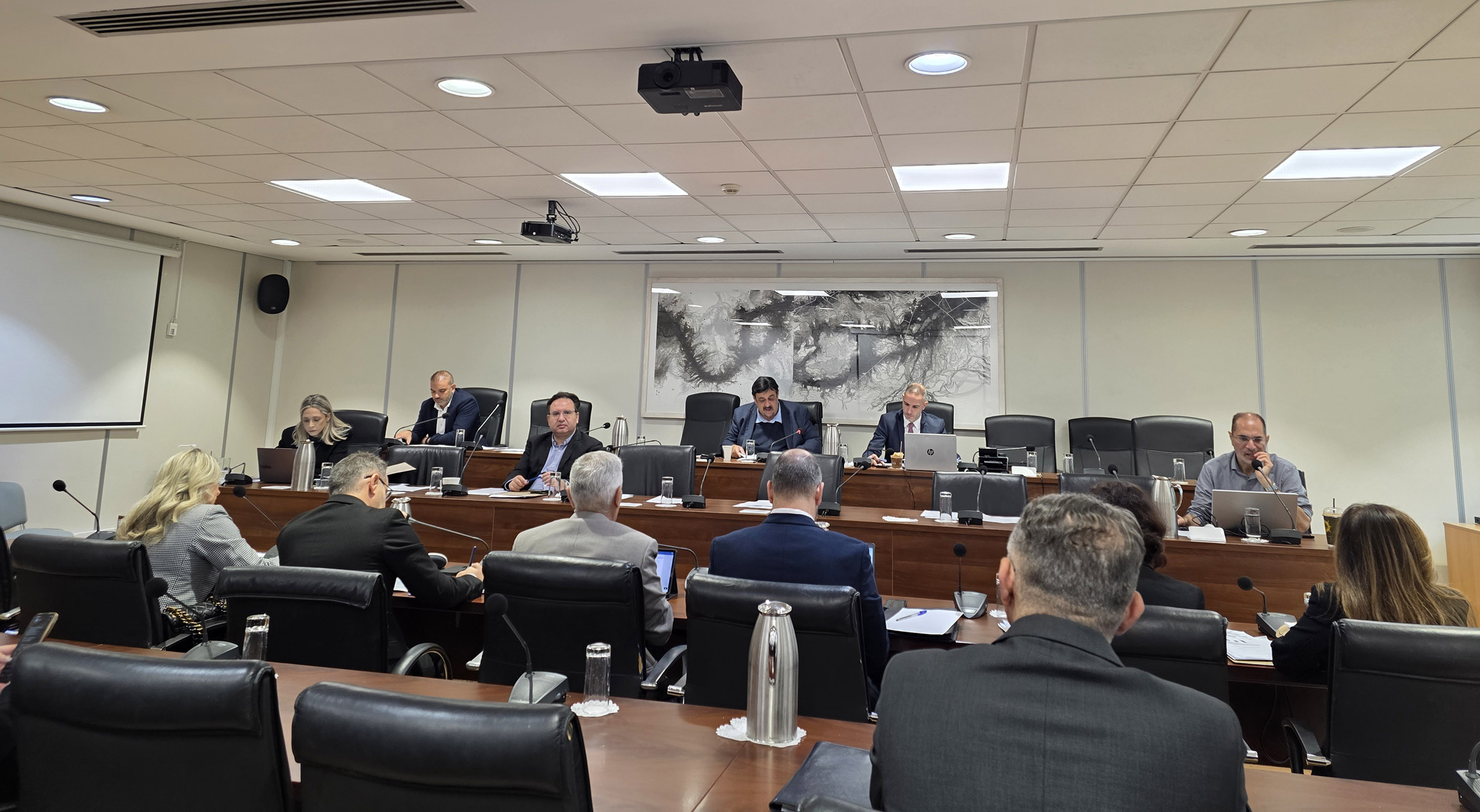
The figures were presented during a meeting of the House audit committee examining an Audit Office report that identified significant shortcomings in banking supervision and the country’s efforts to combat money laundering.
The report, covering January 2020 to July 2024, highlighted understaffing at the Central Bank, lengthy delays in supervisory inspections, weaknesses in suspicious transaction reporting and shortcomings in cooperation between the authorities responsible for tackling financial crime.
Head of the police financial crime investigation unit Afxentis Constantinou said assets worth approximately €550,000 were frozen in nine cases in 2023, compared with €8.5 million in 26 cases in 2024 and €10.5 million in 28 cases in 2025.
During the first eight months of 2026, more than €32 million was frozen across 23 cases, bringing the total for the period from 2023 to August 2026 to more than €51.5 million.
Constantinou said investigations linked to the citizenship-by-investment scheme accounted for approximately half the total value of frozen assets, despite representing a smaller proportion of cases.
He referred, among others, to the case involving fugitive financier Jho Low, stressing that freezing assets did not mean an investigation had been completed or that the property had been permanently confiscated.
The figures come amid longstanding concerns over the golden passport scheme, which was terminated in 2020 following allegations of corruption and abuse.
A previous Audit Office investigation into the Cyprus Investment Programme identified inadequate checks on the origin of investors’ funds, failures to meet financial criteria and cases involving politically exposed persons.
Constantinou attributed the increase in asset freezes to improved police training and the introduction of financial investigations conducted alongside criminal investigations.
He acknowledged that communication and feedback between police and the anti-money laundering unit Mokas had been problematic until 2024, but said new cooperation procedures had since been introduced.
The Audit Office’s latest report examined how effectively the Central Bank supervised credit institutions’ compliance with anti-money laundering requirements and whether the relevant authorities were adequately equipped to identify and address suspicious financial activity.
Audit Office representative Akis Kikas said the investigation identified staffing shortages at the Central Bank, delays in supervisory inspections and room for improvement in the quality of suspicious transaction reports submitted to Mokas.
Some supervisory procedures took two years or longer to complete, raising The audit also highlighted disagreements over the Audit Office’s authority to access certain Central Bank records, with differing legal interpretations restricting auditors’ access to information.
Kikas stressed the importance of ensuring that no area of supervision remained beyond independent scrutiny, adding that legislative amendments had been proposed.
Central Bank representative Cleanthis Ioannides said measures had already been taken to address the shortcomings, including restructuring and strengthening its anti-money laundering directorate and establishing a separate sanctions enforcement unit.
He also revealed that at least 168,000 bank accounts had been closed during the period examined, comprising 42,000 corporate accounts and 126,000 individual accounts, because of failures to comply with legal and regulatory requirements.
The disclosure prompted questions about what happened to the money held in those accounts after their closure and whether the funds had subsequently been transferred elsewhere.
The committee requested further information on the matter.
Committee acting chairman Chrysanthos Savvides said Cyprus had made progress in combating money laundering since 2020, citing improvements in the work of the Central Bank, Mokas and police.
He acknowledged that staffing shortages were being addressed gradually and called for stronger controls against financial cybercrime, an issue he said was also of concern to Europol.
Savvides said oversight had been insufficient until 2023 but that inspections had intensified in recent years.
He credited the administration of President Nikos Christodoulides with contributing to improvements and expressed confidence that Cyprus would achieve better results in its next Moneyval assessment.
Mokas representative Maria Antoniou said an automated system for assessing and prioritising suspicious transaction reports had been operating since July 2023, while new guidelines had been issued in 2026 to improve reporting quality.
She also referred to a new public-private partnership involving banks, police and Mokas aimed at strengthening cooperation and information sharing.
Finance ministry representative Kikis Pafitis acknowledged delays in updating the National Risk Assessment, admitting that the process could have begun earlier.
He cited efforts to strengthen the sanctions enforcement framework and difficulties recruiting specialist experts, adding that work on the new assessment was now under way.
The previous National Risk Assessment was carried out in 2017, meaning Cyprus has gone almost a decade without completing an updated assessment of its money laundering risks, despite significant changes in the financial landscape.
Cyprus’ next on-site evaluation by Moneyval, the Council of Europe’s anti-money laundering monitoring body, is scheduled for June 8, 2028.
The evaluation will provide an important test of whether the improvements outlined by the authorities have translated into more effective supervision, investigation and enforcement.



Click here to change your cookie preferences