
Cyprus and the fine art of choosing protectors
Cypriots have a talent for which they are rarely given credit: choosing protectors. For eight centuries the island has greeted one outsider after another as its deliverer, and each time the deliverer has stayed long enough to present the bill.
This is not a moral failing. It is what small islands on great-power sea lanes tend to do. But the pattern deserves to be named, because Nicosia is doing it again, and doing it while complaining loudly about the other side’s patron.
The story begins without much choice at all. In 1191, on his way to the Third Crusade, Richard the Lionheart took the island from the Byzantine usurper Isaac Komnenos, a ruler few Cypriots mourned. Richard sold Cyprus to the Knights Templar, who handed it back within a year, and in 1192 it passed to Guy de Lusignan, a king who had just lost Jerusalem.
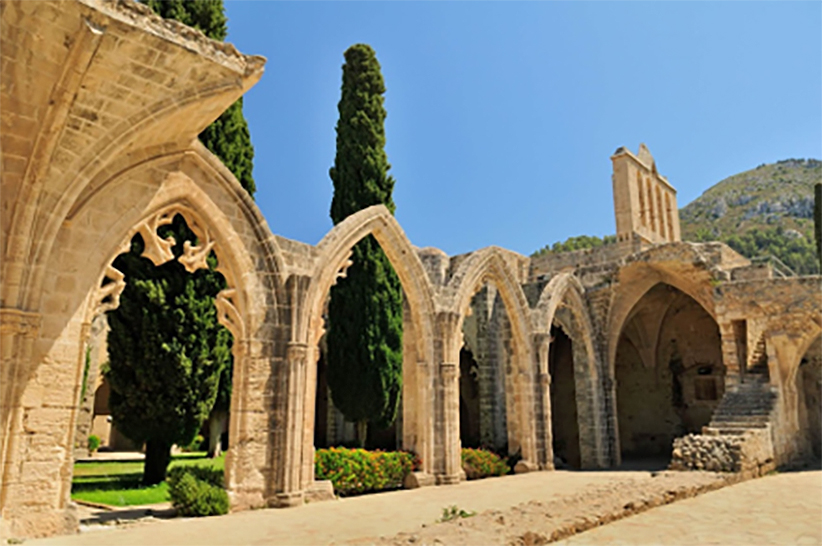
The Lusignans gave Cyprus three centuries of Gothic cathedrals and a subordinated Orthodox Church; the Bulla Cypria of 1260 placed its bishops under Latin authority. The Genoese seized Famagusta in 1373 and held it for 90 years. The Venetians, who acquired the island through Caterina Cornaro in 1489, fortified Nicosia and taxed it hard. None of these masters were invited, but each found local notables willing to serve.
Then came the first great act of welcome. When the Ottomans landed in 1570, much of the Orthodox population saw them less as conquerors than as relief from Latin rule. In the short term, they were right. The new rulers expelled the Latin hierarchy, restored the Orthodox archbishopric, and, from 1754, made the archbishop answerable for the Christian community and its taxes.
The ethnarchy, the Church’s claim to lead the nation, was thus largely an Ottoman creation. It is one of history’s better jokes that the institution which later led the struggle against everything Turkish owed its political standing to the Sultan. The invoice arrived in July 1821, when Archbishop Kyprianos and leading clergy were executed in Nicosia as the Greek Cypriot revolt broke out.
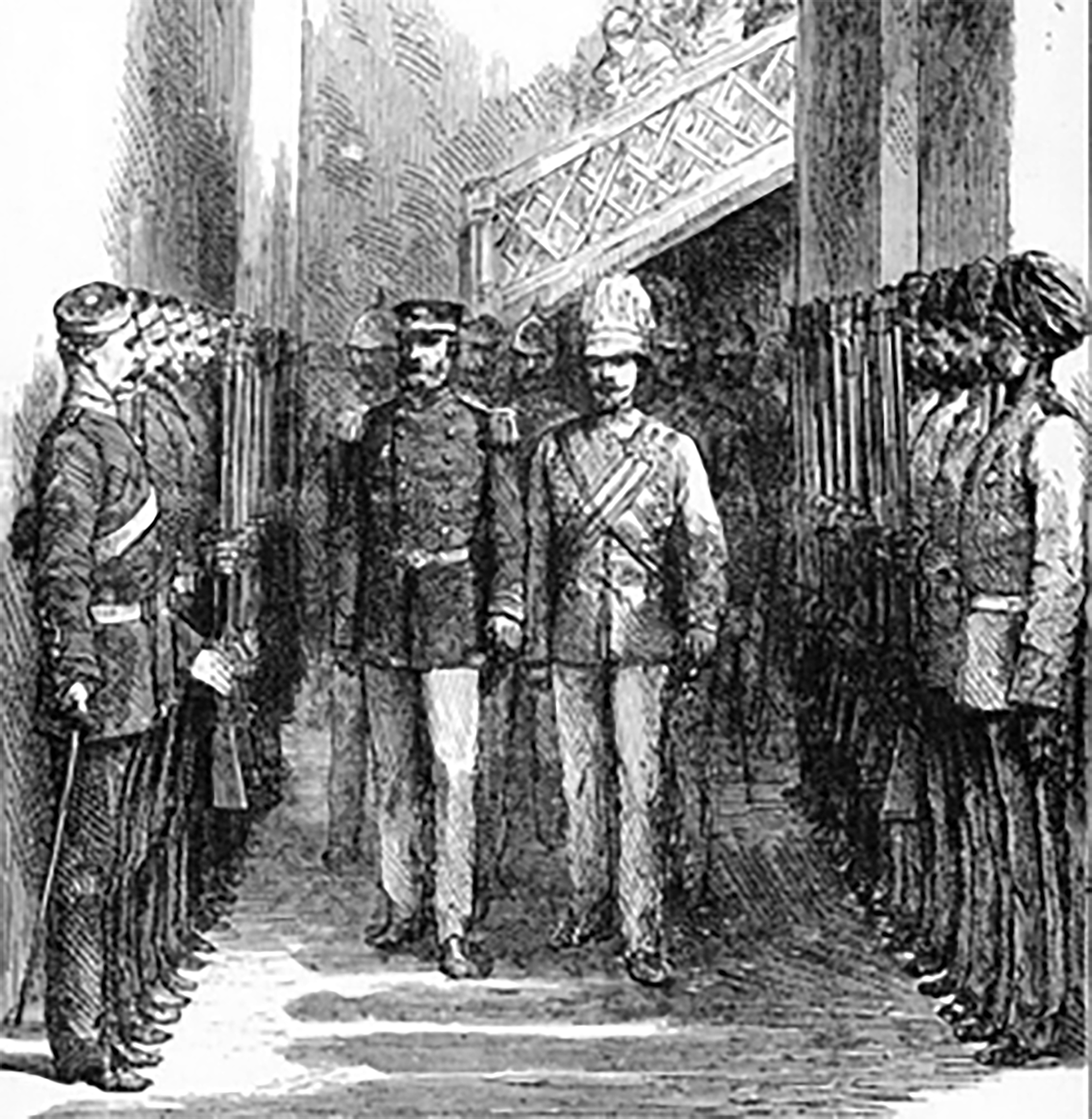
In 1878 the Sultan leased Cyprus to Britain, and the welcome was repeated. When Sir Garnet Wolseley arrived as the first High Commissioner, the Bishop of Kition reportedly greeted him, hoping Britain would do for Cyprus what it had done for the Ionian Islands: hand it to Greece. Britain stayed for 82 years.
The irony deepened in 1915, when London offered Cyprus to Greece in return for entering the First World War on the Allied side, and Athens declined. The island, longing for union with Greece, could not persuade it to accept the gift. By 1955 the deliverer had become the oppressor, and the Eoka took up arms against it.
Here the Turkish Cypriots enter the story with a protector of their own. Many served in the colonial auxiliary police and the Mobile Reserve, and a community that feared enosis found a temporary shield in Britain. That choice also came with a bill, paid in an intercommunal bitterness that outlived the colony.
Independence in 1960 should have ended the search for patrons. It did not. In July 1974, the Greek junta, the regime in Athens that many supporters of enosis still treated as the national centre, overthrew the elected President of the Republic, Archbishop Makarios. Before a single Turkish soldier landed, a Greek government had already usurped the Republic’s sovereignty. The self-appointed guardian of Hellenism delivered the island’s partition in five days.
Thirty years later came the EU. In April 2004, some 76 per cent of Greek Cypriots rejected the Annan Plan, while 65 per cent of Turkish Cypriots accepted it. A week later, the Republic entered the EU with the problem unsolved, while the community that had voted yes stayed outside. Brussels was to be the patron that would finally make Ankara yield. Twenty-two years on, the EU has been many things to Cyprus, but not that.
And now Israel. Since the gas discoveries of the 2010s, Nicosia has drawn steadily closer to Jerusalem. In December 2025, Greece, Cyprus and Israel signed a joint military action plan for 2026, with air and naval exercises through the year, and the National Guard now fields the Israeli-made Barak MX air defence system. Defence Minister Vasilis Palmas offered the most candid summary: beyond defence cooperation, what the three countries share is that they do not have good relations with Turkey.
One need only look at the Middle East to see the irony. A government that rightly protests foreign troops on its soil is building its security around another regional power, whose wars are not Cyprus’ to fight and whose interests will not always coincide with Cypriot ones. Even opposition Akel has warned that the risks have not been weighed.
Turkish Cypriots should not read this with too much satisfaction. Any demand for two sovereign states is, in practice, a demand for a protectorate. The lesson is not that one community is wiser than the other. It is that every patron sends an invoice, and Cypriots of both communities have paid every single one. Richard sold the island. The Sultan eventually hanged its archbishop. Britain stayed. The junta lit the fuse. Brussels admitted the problem along with the state. Each deliverer had its own interests, and Cyprus was never first among them.
One protector would send no bill: a settlement written by Cypriots themselves. In an earlier column I borrowed from Mozart’s Magic Flute the idea of peace without vengeance, justice without domination and security without fear. That remains the only alliance worth forming. It costs nothing but the courage to stop looking overseas for rescue.



Click here to change your cookie preferences