
Cyprus is often written about in broad strokes: beaches, resorts, history, and headline attractions. This article looks elsewhere.
We asked our newsroom to each choose one small, genuinely positive thing about the island—something they value, enjoy, or would recommend without a press trip or a marketing brief. It might be a restaurant, a pub, a walk, a view, or a place that simply gets something right. These are not rankings, advertisements, or “must-see” lists—just honest observations about places and experiences that make Cyprus quietly worth appreciating.
We hope to get more of our newsrooms personal and unbiased opinions soon.
Table of contents
Cape Aspro – the white cliffs of Cyprus
Pomos – Far from the madding crowd
Stou Kafene – A taste of tradition in the heart of Fikardou
The holey monoliths – Kedares and more
Visiting Akamas peninsula: Aphrodite Beach Hotel is a top choice
Kalopanayiotis: A Byzantine retreat
Brandy Sour – Where to taste Cyprus’ royal cocktail
A day discovering the treasures of Mathiatis
Cape Aspro – the white cliffs of Cyprus
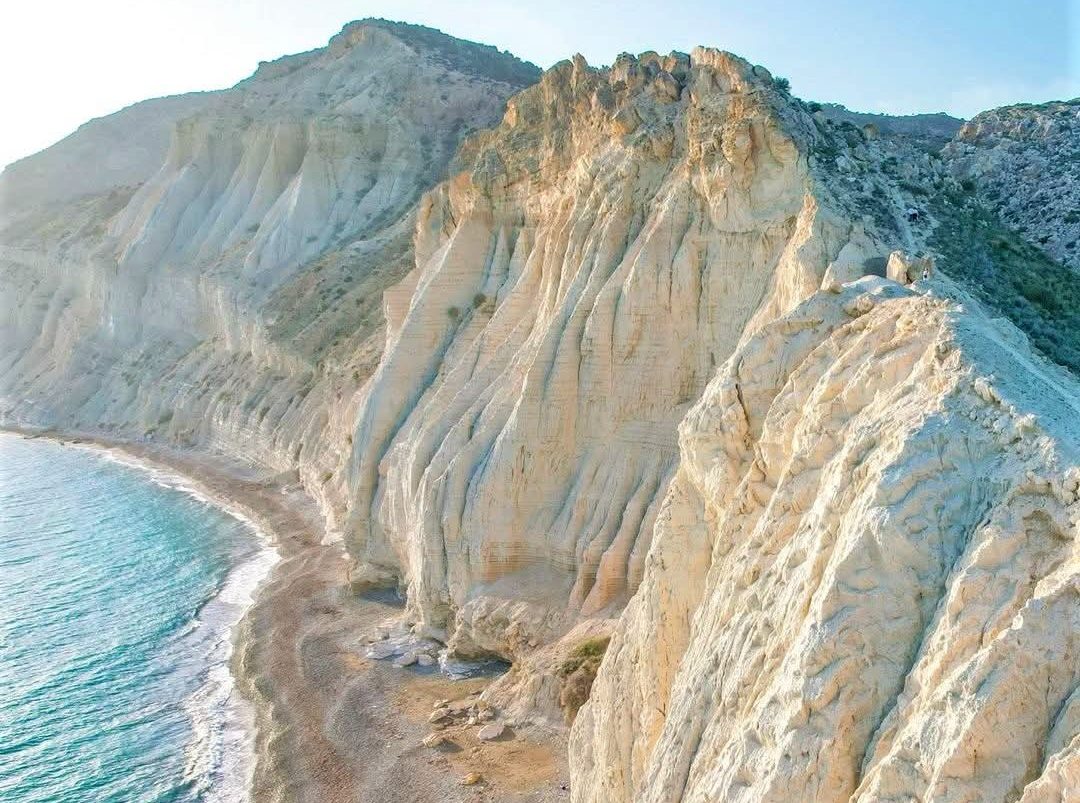
Rising dramatically along the island’s southern coast, Cape Aspro is one of Cyprus’s most striking landscapes and a standout hiking destination in the Limassol district.
Located near Pissouri on the Trachonas Plateau, the trail is easily reached from both Limassol and Paphos, each around a 30-minute drive away.
The Cape Aspro trail follows a rugged stretch of coastline defined by towering limestone cliffs, whose chalk white contrasts sharply with the turquoise sea below.
In places the cliffs exceed 200 metres in height, creating panoramic viewpoints that rank among the most impressive on the island, particularly at dusk.
The main route begins near Pissouri Bay and winds along the coast before climbing across the cliff tops and descending to a secluded bay below.
Hikers can connect to other paths in the area, including routes leading towards Pissouri village.
Depending on the chosen variation, distances range from shorter viewpoint walks to a full coastal hike of around 12 kilometres.
Paths are stony, often unmarked and occasionally narrow, with some exposed sections requiring surefootedness and a head for heights.
There is no shade or refreshment stops, making adequate preparation essential.
Despite these challenges, Cape Aspro rewards visitors with exceptional scenery and a sense of a wild, unspoilt Cyprus.
Whether tackled as a full hike or enjoyed from one of its viewpoints, it is a location that captures the island’s raw beauty and remains one of the most memorable natural attractions.
JM
Pomos – Far from the madding crowd
At some point—without a formal announcement—I appear to have become grumpy. Crowded beaches now feel less like leisure and more like a logistical exercise, and any bar that requires shouting to order a drink has already lost me.
So when a friend suggested that we go to Pomos for a week in late August last year, I jumped at the opportunity.
Pomos is a small coastal village around 60 kilometres northeast of Paphos. With an estimated population of about 450 people, it seems to have missed the memo about relentless growth—at least for now. It remains refreshingly unspoilt, largely bypassed by the tourist surge that has transformed so many other coastal villages. In many ways, it feels like a reminder of Cyprus as it once was.
Pomos is more about enjoying the setting than visiting specific attractions. You can take walks along the coast, watch fishing boats come and go to the small harbour, explore nearby forests and quiet beaches, or just sip your frappe (iced coffee) and stare at the sea.
You will only enjoy Pomos if you are actively looking for peace and quiet.
A small word of warning: the sea here is cool and crystal clear, but it deepens quickly, dropping away almost as soon as you step in. Extra care is needed, especially for families with young children.
If you get fed up with the serenity, Pomos is perfectly located for day trips, both towards the west to the more busy Latsi (25-30 minutes) and the beautiful Akamas peninsular (around an hour) or eastwards towards Pyrgos (35 minutes). Before reaching Pyrgos you can stop at Omega Beach, named after its distinctive shape resembling the Greek letter Ω (Omega), for a swim.
There are two spots just outside Pomos that are well worth a visit. The first is Koulla’s Sandwiches, a couple of kilometres before you reach the village on the left-hand side of the road. As the name suggests, sandwiches are the main event, with a plethora of fillings that you can choose from.
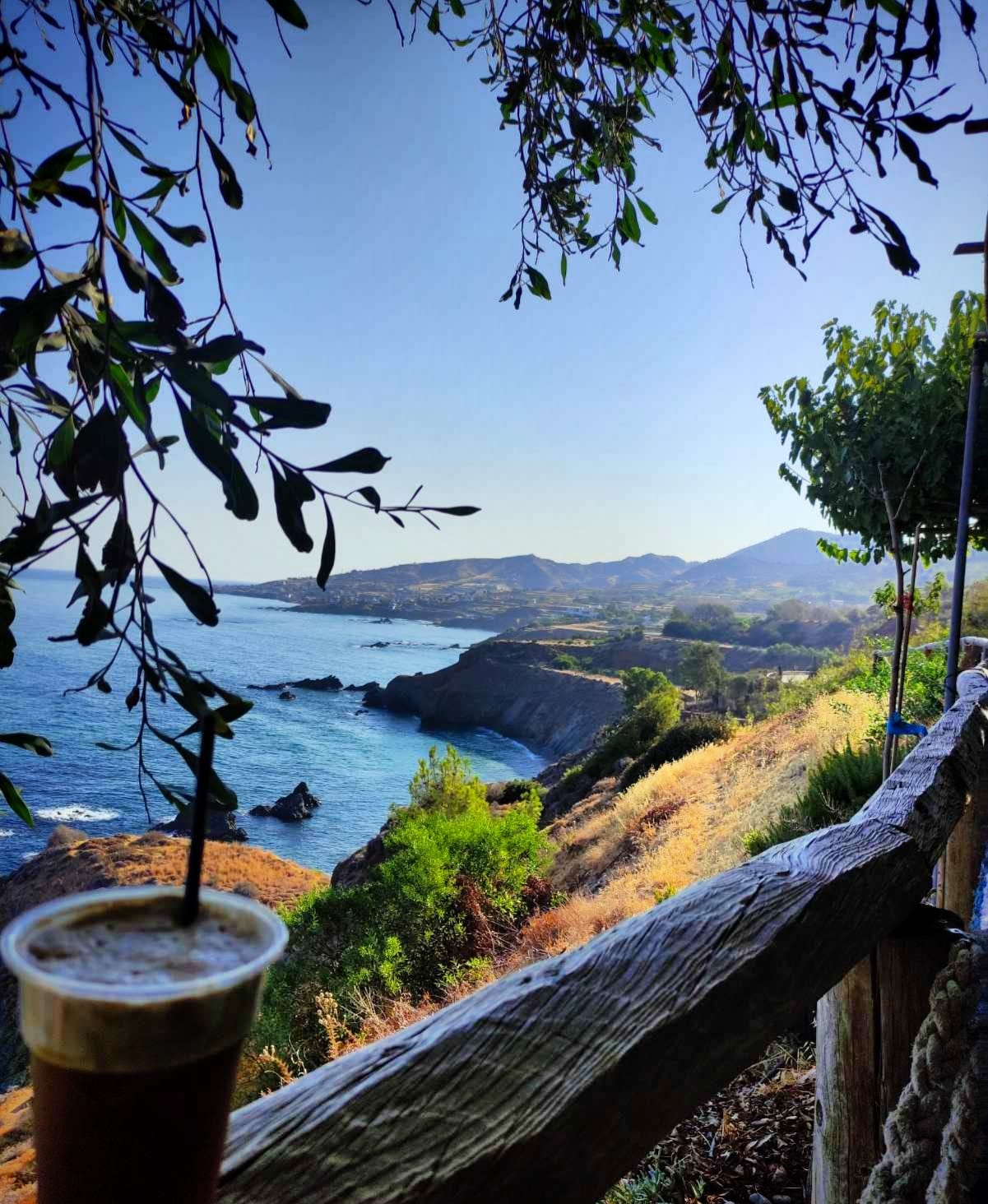
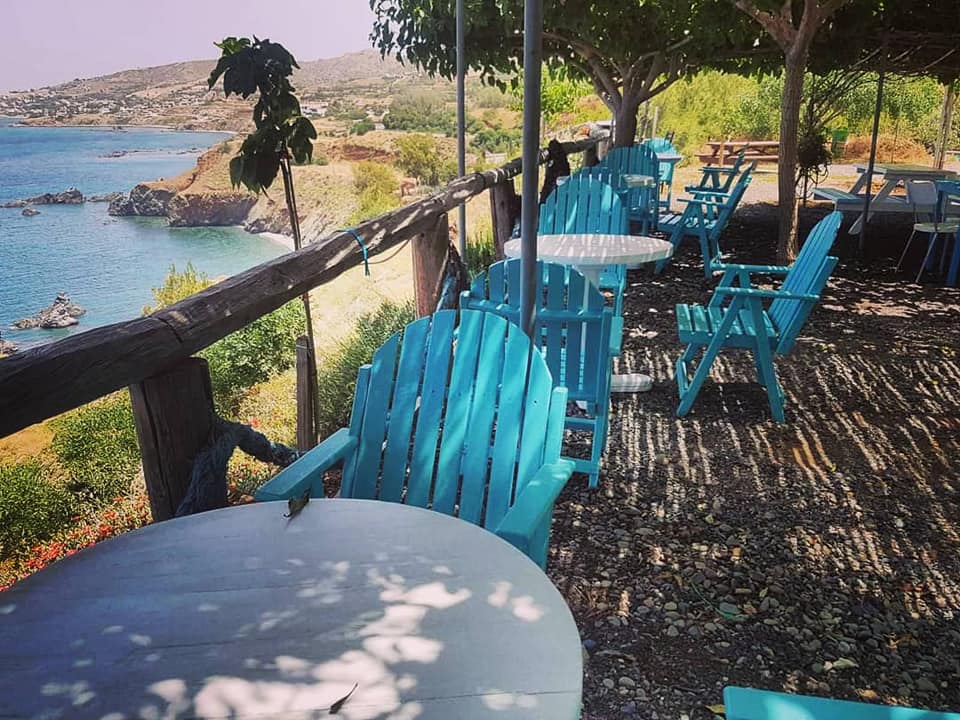
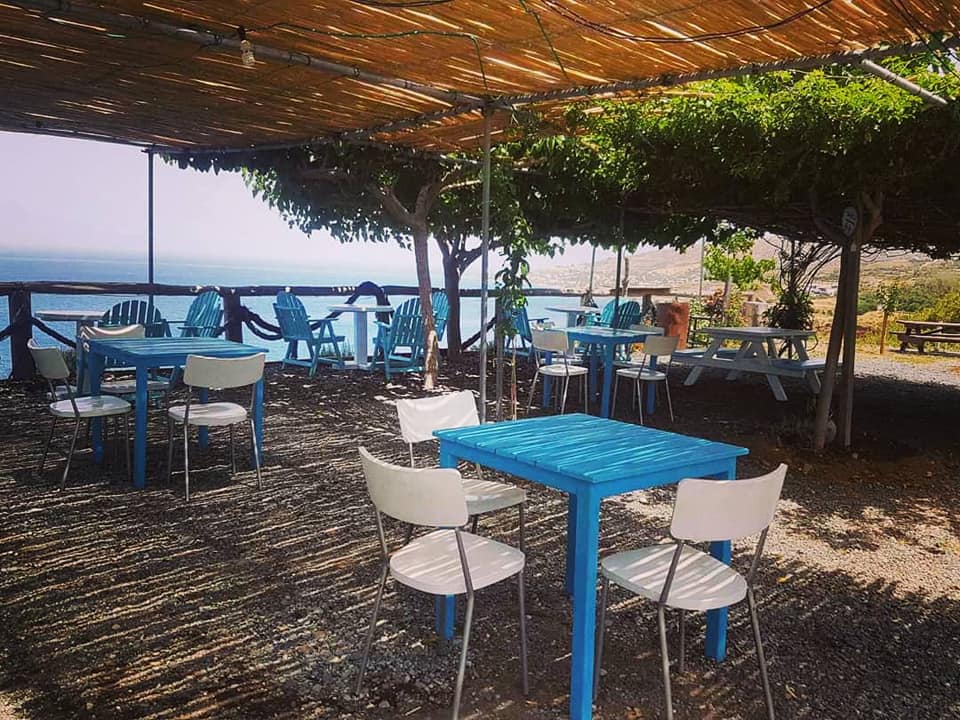
While the sandwiches are excellent, what makes Koulla’s special is the setting. The view, the openness, and the sense of stopping somewhere entirely unforced are hard to describe—this is very much a case of seeing for yourself.
A kilometre or so before Koulla’s, on the opposite side of the road, is Paradise Place, a relaxed coffee shop by day and bar by night, open from 10 am until the early hours. The staff are welcoming, prices reasonable, and nothing feels rushed.
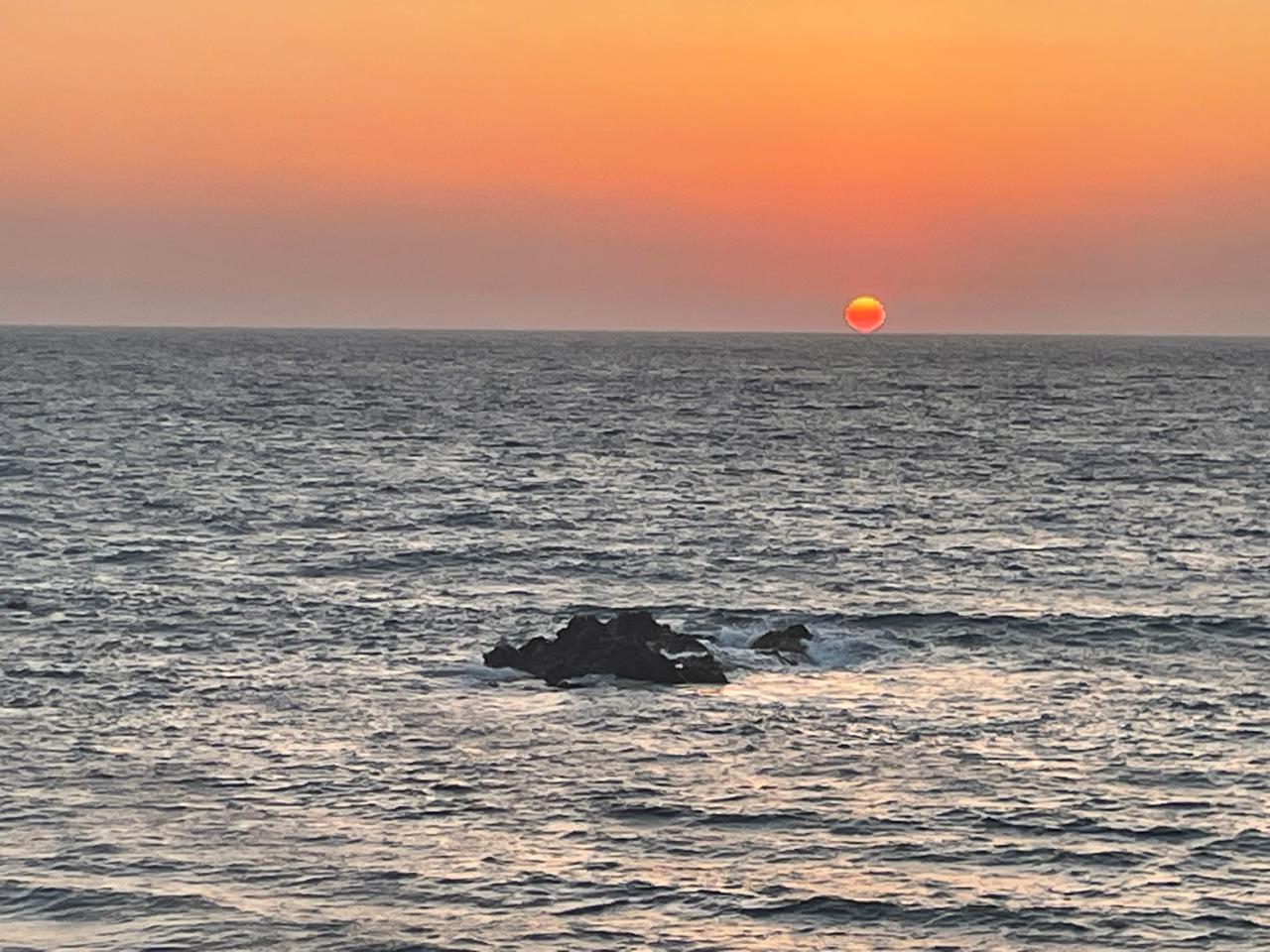
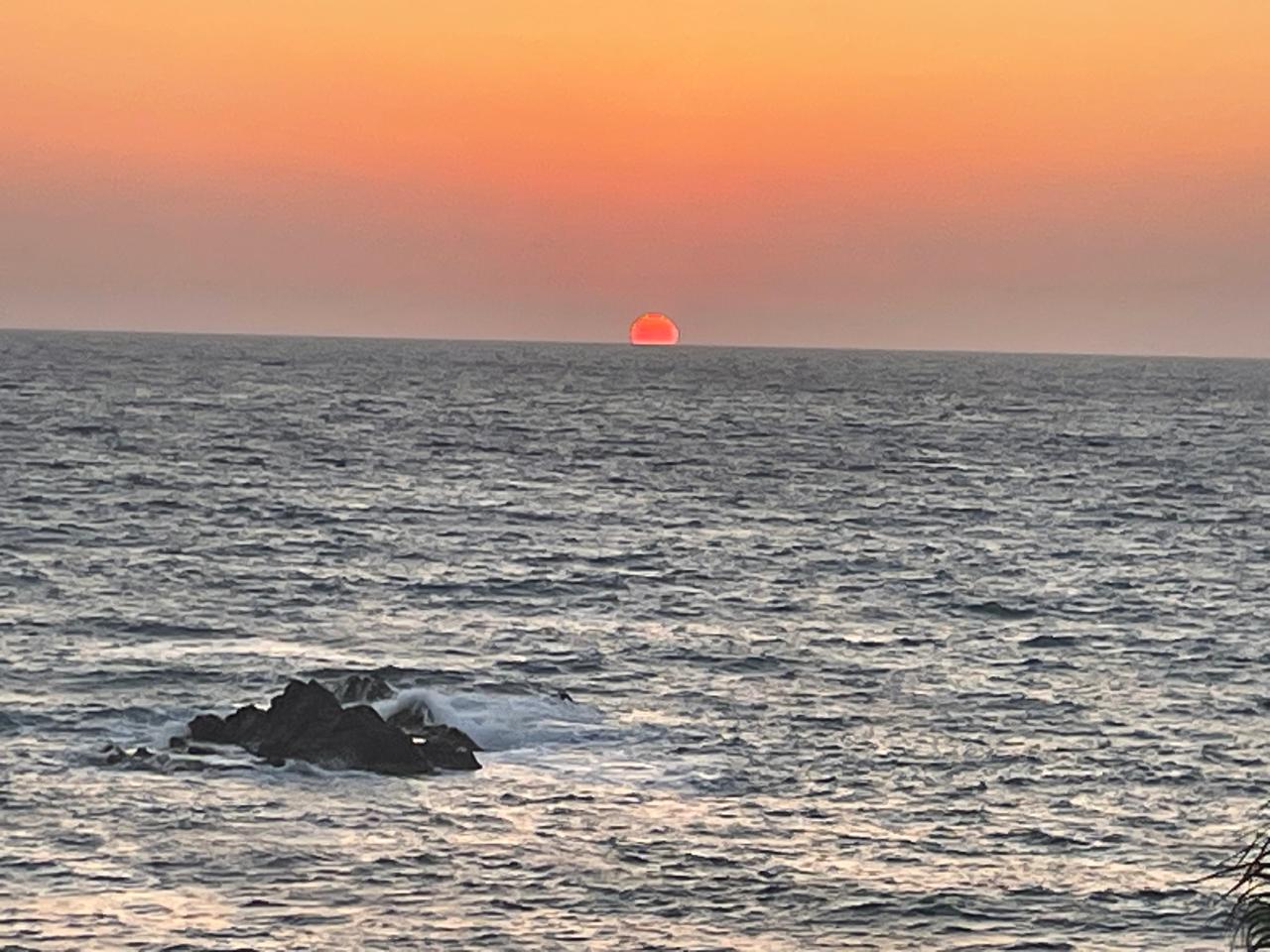
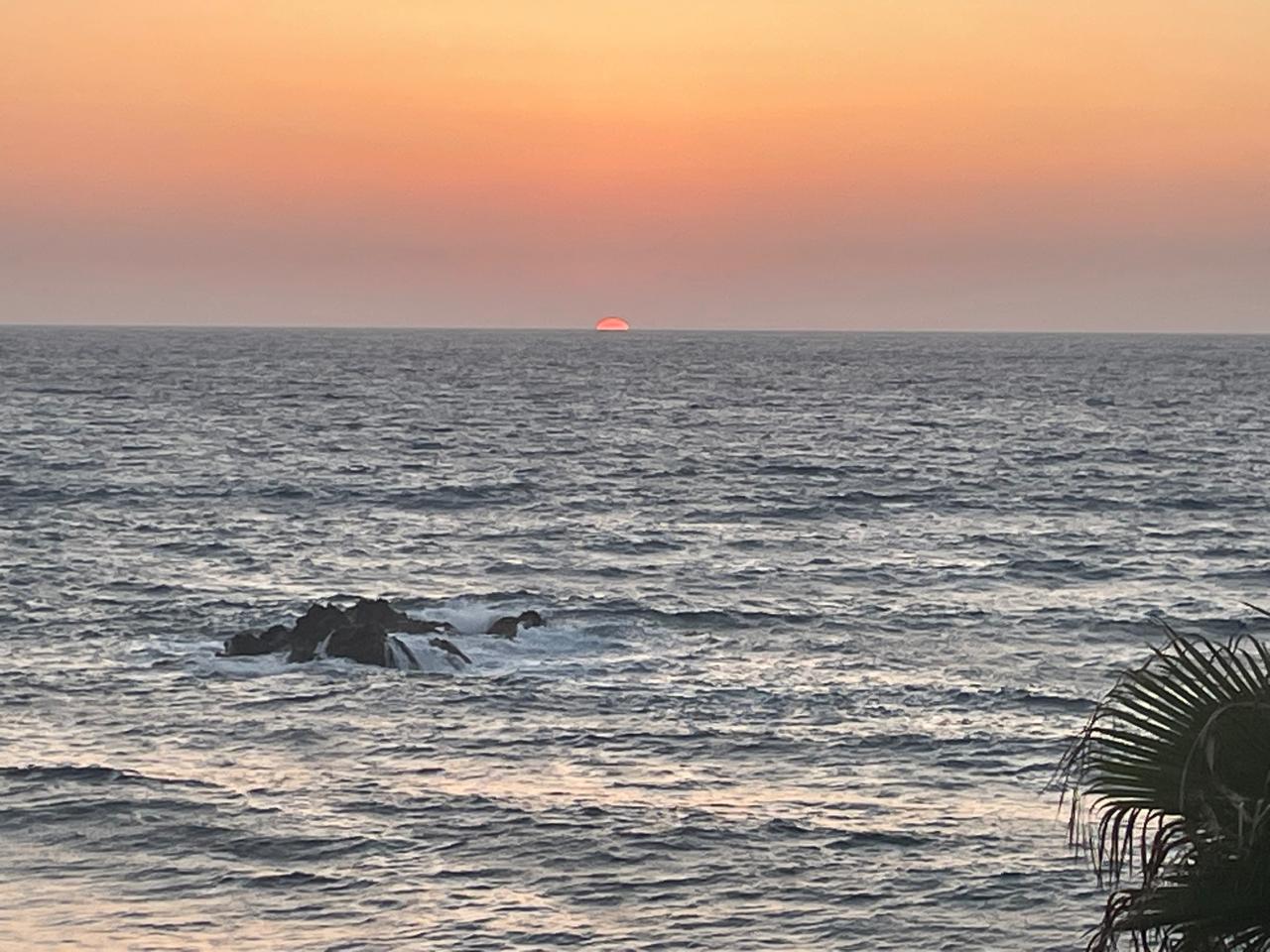
The best time to go is around sunset—roughly between 7 pm and 8 pm, depending on the time of year—when you can sit with a drink and watch the sun slowly disappear into the sea. It’s quietly breathtaking.
Paradise is under new management and will I update when I visit next.
MI
Stou Kafene – A taste of tradition in the heart of Fikardou
Hidden among the narrow cobbled streets of Fikardou village, visitors can discover the traditional Cypriot coffee shop “Stou Kafene”.
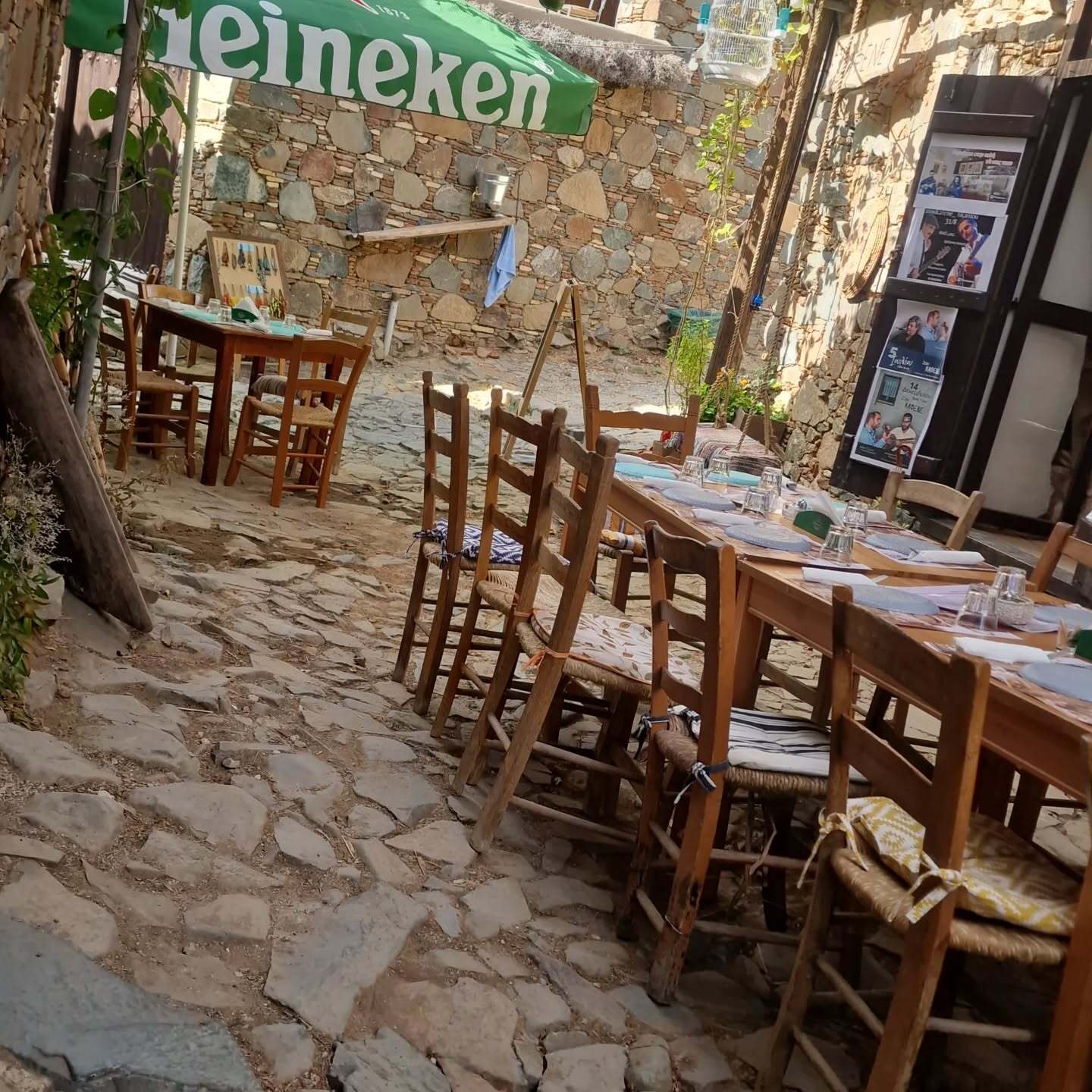
Fikardou is located on the north-eastern slopes of the Troodos Mountains, approximately 40 km from Nicosia. The village has preserved its traditional medieval character and is home to only a handful of residents. A walk through the village — sometimes literally across rooftops — offers a glimpse into the way Cypriots lived in past centuries.
Sitting outside “Stou Kafene” is a must on a sunny Sunday morning. The café is decorated with traditional Cypriot chairs (tsaeres) and small wooden tables that blend perfectly with the surrounding landscape. Friendly service adds to the charm of the experience.
Breakfast at Stou Kafene is a true celebration of Cypriot produce. The menu includes eggs, lountza, sausages and, of course, halloumi, served with fresh tomatoes and black olives. These are accompanied by freshly baked koulouri bread drizzled with seasoned olive oil. Visitors can enjoy traditional Cypriot coffee, along with a variety of other coffee options.
For those seeking a cool breeze on a hot summer day, the café is also an ideal afternoon destination. Guests can try the home-produced zivania, served with small nibbles, or choose from a selection of beers and wines. On some afternoons, live mellow Greek music creates a unique and memorable atmosphere. When music events take place, booking is recommended, as the venue tends to fill quickly.
Open usually on weekends but to make sure its best if you check their FB page
MI
The holey monoliths – Kedares and more
Always intrigued by a good mystery, the rocks with holes carved into them could not escape my radar.
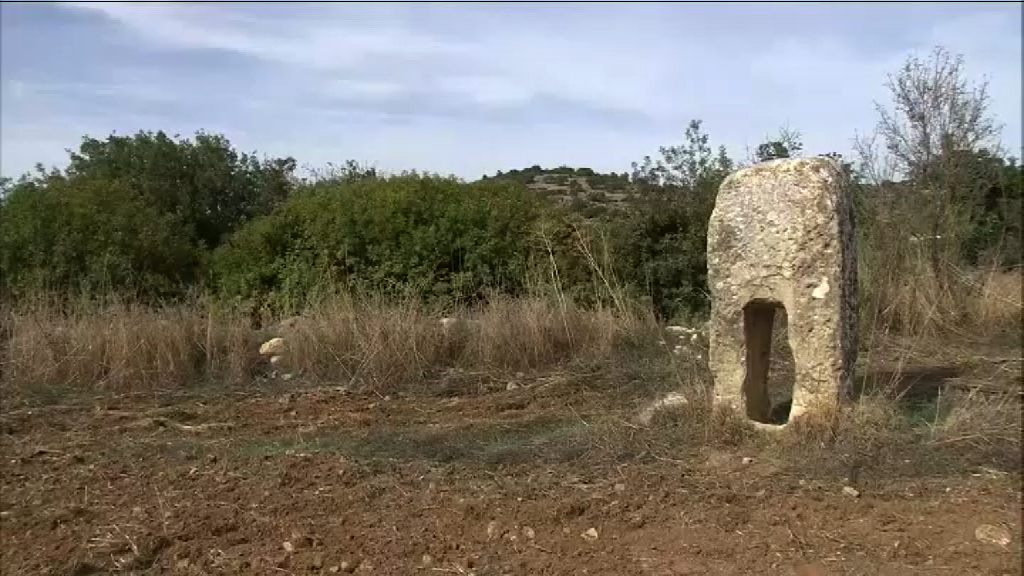
These huge monoliths stand to the west of the island, scattered seemingly randomly across the countryside.
Locals call them holey stones or styllarka, meaning tall monoliths.
According to myth, the stones were created by the cousins of goddess Aphrodite and are believed to have healing properties – particularly for infertility. It is said that women who could not conceive passed through the holes in a ritual that is still alive today, but shrouded in secrecy.
Another version connects these mysterious stones with the Lycaonians of Asia Minor, to the north of the Taurus mountains. It is said that anyone passing through the stones on the full moon could actually see the Lycaonians, who would make any wish come true.
The monoliths are also said to be astronomical signs, used to mark hidden treasure.
A few years ago I visited the area and was told in a low voice that the stones could cure any ailment, but there were rules. You had to undress on one side of the monolith, pass through starkers and put on brand new clothes on the other side. The old clothes and shoes were to be discarded. I must admit I didn’t try it – mainly for fear I might get stuck, something I dreaded in my birthday suit – but it has been curled up in the back of my mind just in case.
Archaeologists in 1970 spoiled the fun by saying that the monoliths were part of ancient oil presses, dating back to the Bronze Age.
Reason aside, the stones can be found around villages such as Flamoudi, Kouklia, Fasoula, Kivides, Pachna and Kedares, the latter hosting the most impressive monolith, standing over 2m tall and 1m wide.
RG
Visiting Akamas peninsula: Why Aphrodite Beach Hotel is a top choice
If you are a nature lover visiting Cyprus, the Akamas peninsula should be high on your list of areas to get to know. No matter the time of year or how advanced your hiking abilities, you will see breathtaking landscapes with the forest meeting the sea.
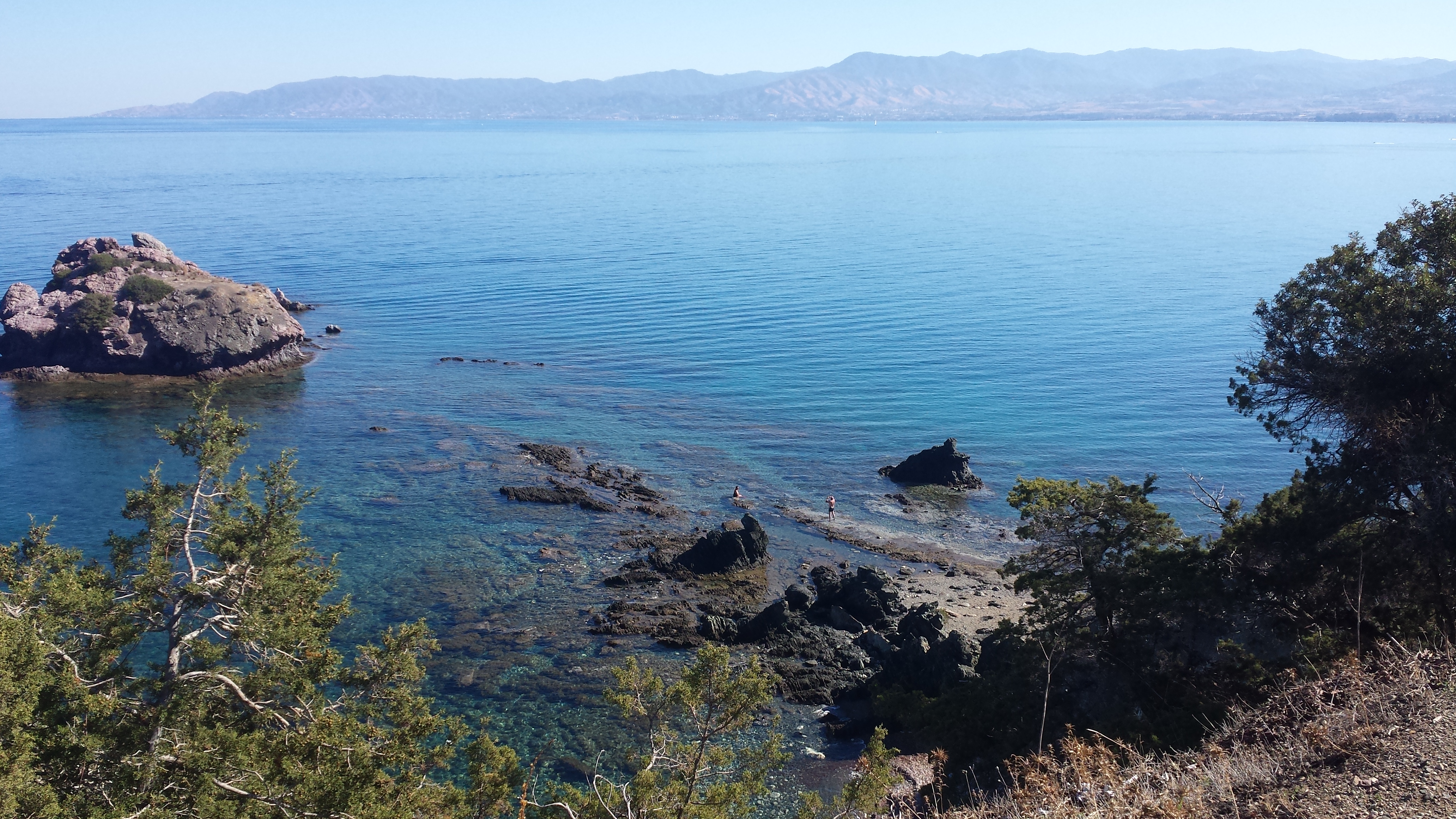
The diversity of the island’s wildlife is all present here – mountains, forests, beaches, caves and gorges. Making it even more unique is the fact that this national park is one of the few places on the island with untouched natural beauty that feels off-the-grid.
As for where you should stay, Aphrodite Beach Hotel in Latsi is a great choice. It offers quick access to the peninsula, and you honestly feel at home within about an hour of arriving.
It is a short way past Latsi harbour, where you can find any amenities you might need – there are shops, a range of restaurants, a diving centre and even a little museum.
A few minutes’ drive in the other direction is Aphrodite Baths, from where the hotel got its name. This is your first must-see stop when setting out to explore.
The hotel itself is just above one of the most picturesque beaches on the island with a view of Akamas and stunning, clear waters.
The staff is lovely and friendly and take good care of you, and even accommodate for your pet dog if you wish to bring one.
There is a restaurant with a big balcony – my favourite feature of the hotel – that provides a glorious panorama.
Breakfast is a showstopper, and there is always a huge amount of delicious food to choose from at dinner, which is complete with a buffet that changes each night.
The buildings are surrounded by gorgeous gardens that you can wander around, alongside the free-ranging chickens. The low light pollution in the area also means stargazing is an enjoyable nighttime activity.
It is actually tempting to just hang around the hotel relaxing for the entirety of your stay, but you shouldn’t. Go forth into the great outdoors and have some adventures!
LB
Kalopanayiotis: A Byzantine retreat
Nestled amongst the pines of the Marathasa valley on the northern slopes of the Troodos Mountains, Kalopanayiotis stands as one of Cyprus’s most picturesque and culturally rich villages.
Built along the Setrachos river, the village is renowned for its stone houses, wooden balconies and narrow cobbled lanes that reflect centuries of mountain life.
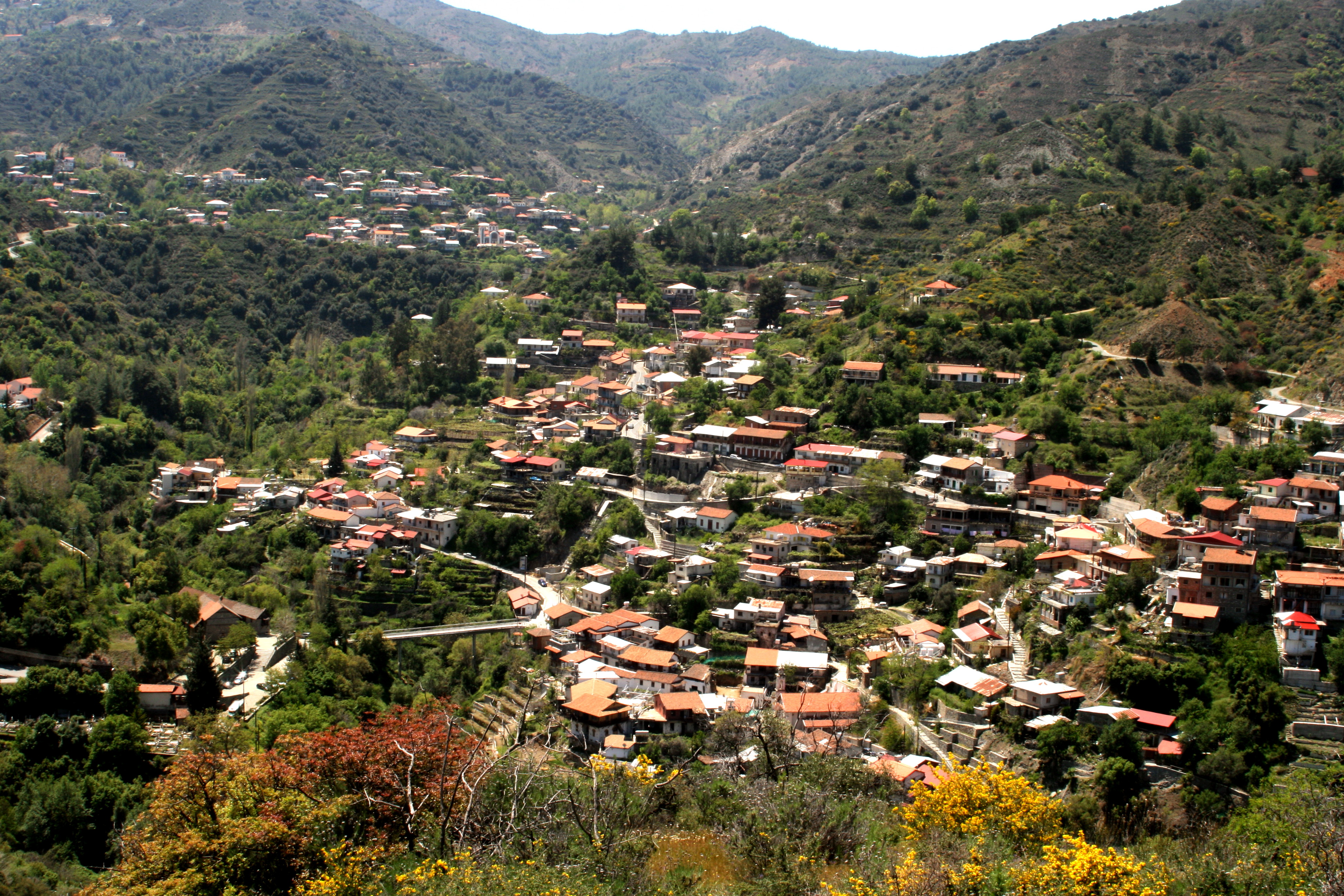
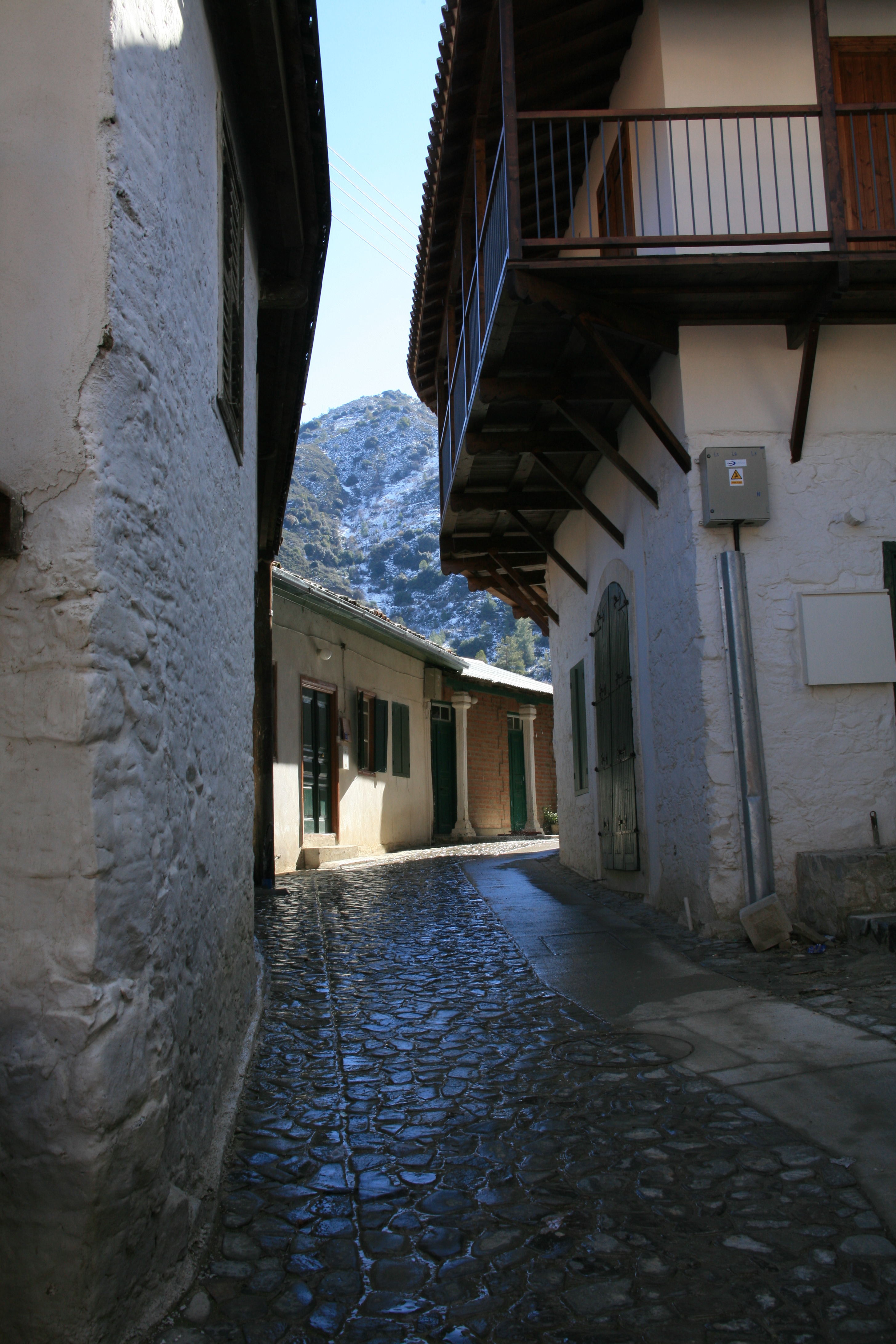
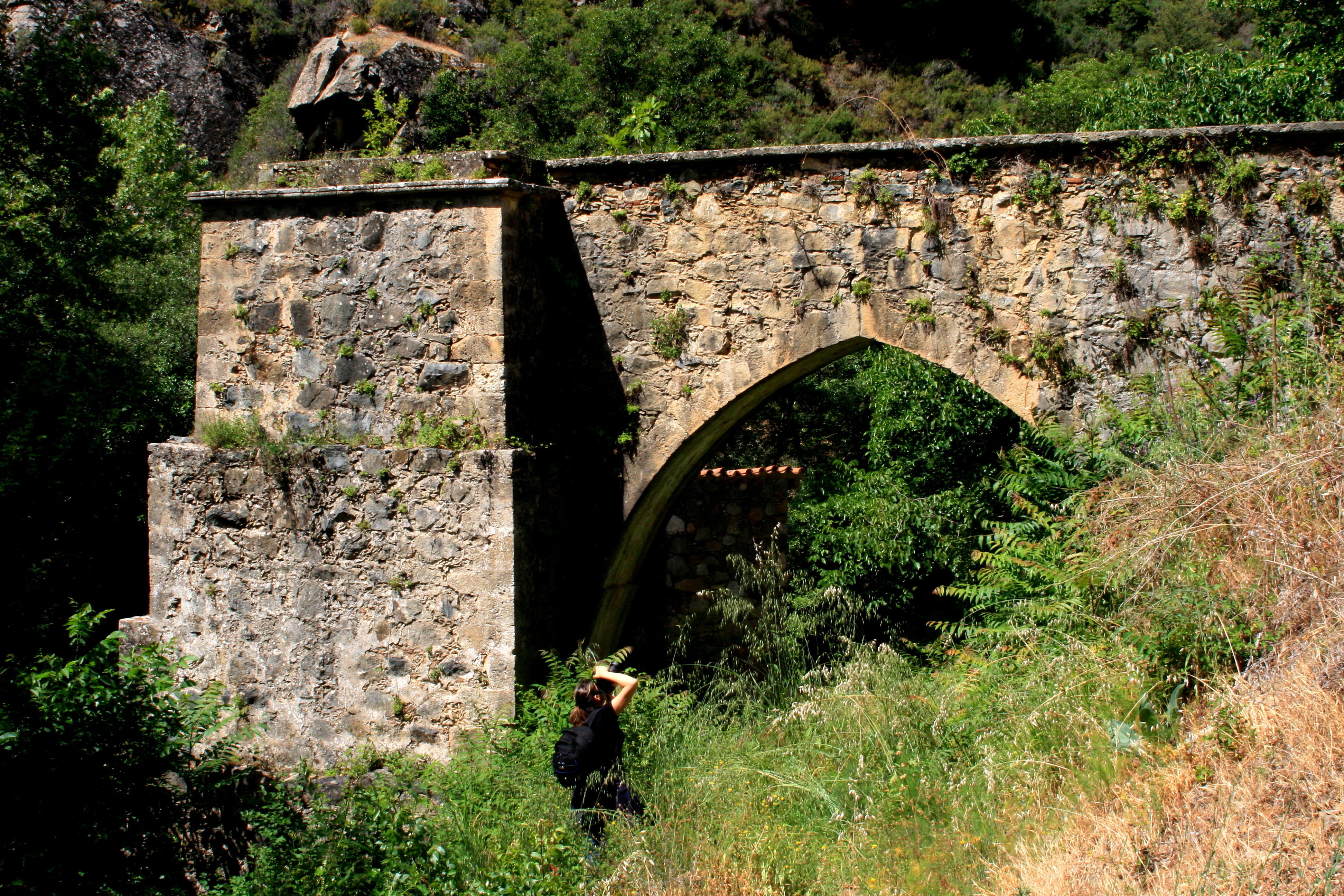
Kalopanayiotis is best known for the UNESCO listed Monastery of Ayios Ioannis, a remarkable complex of three churches decorated with Byzantine frescoes dating back to the 11th century.
The monastery stands as one of the most important religious monuments in Cyprus and forms the historical heart of the village.
The area has long been associated with wellness and retreat. Natural sulphur springs flow through the valley, giving rise to a tradition of therapeutic baths that continues today.
Surrounded by orchards, waterfalls and nature trails, the village is an excellent base for exploring the Troodos region.
Walking routes lead through terraced hillsides, along river paths and into neighbouring villages, revealing a more authentic side to the island.
Kalopanayiotis has also embraced sustainable restoration, with many traditional buildings carefully converted into guesthouses, cafés and small restaurants that highlight local produce and cuisine.
Ideal for cultural exploration, nature lovers and those seeking tranquillity, Kalopanayiotis remains a compelling destination that showcases the enduring character and natural beauty of the Cypriot countryside.
JM
Brandy Sour – Where to taste Cyprus’ royal cocktail
The island’s signature cocktail is undoubtedly the Brandy Sour – a drink with a royal history made with Brandy, Angostura bitters, lemon squash and soda. From when it first secretly appeared in a mountain resort in the 1950s, supposedly disguised as an innocent iced tea for King Farouk of Egypt, the cocktail became widespread across Cyprus’ bars.
Today, it takes pride in being the country’s unofficial national cocktail. In Nicosia, local bars have made a name for themselves for serving what is possibly the tastiest brandy sour in Cyprus.
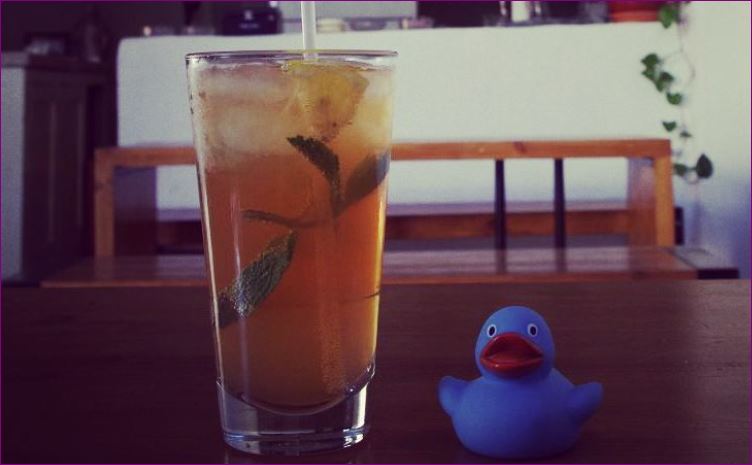
Tucked away in the old town streets, engulfed by old Nicosia’s Venetian Walls and backed by the Green Line, is Haratsi, a coffee shop that gathers people from all walks of life. Its owner, Stavros, a poet and persona, serves his classic brandy sour concoction – Brandy, Sprite, mint and lemon. It is a recipe he was taught by his father, which has now become the locals’ favourite drink. An inexpensive one too, as unlike cosmopolitan cocktails, this humble Cypriot drink typically costs between €5 and €7.
A drink at Haratsi, or a mint-flavoured icy lemonade, is a cultural experience. The coffee shop’s wooden chairs are spread around a corner of the street, nearby old craftsmen pop by to visit their workshops and beyond Haratsi’s laid-back, often-reggae vibes is a vivid reminder of Cyprus’ pasts – the Buffer Zone.
A little further in the old town’s streets, also tucked in a small yet vibrant alley, is 7 Kleidia, a bar that has become a hotspot for Nicosians. A red frame door and a mismatch of coffee shop chairs make up the bar where Foivos Nikolaides, Stavros Zacharias and Xenios Mesarites serve local beers, wines, spirits and of course, Brandy Sours.
This is another popular spot where Nicosia’s eclectic taste buds have approved its Brandy Sour cocktail and the bar is set to continue offering top quality.
On the other side of the Venetian Walls, past Stasinou Street and down Medontos Street is another popular coffee shop, Prozak, run by Orestis and his team. Apart from hosting open mic nights, live bands and poetry readings, Prozak is most renowned for its wide selection of herbal teas and its strong brandy sour.
Go anytime after it opens at 4pm to sip local flavours amidst the various artists, writers and designers that hang out there. Prozak’s recipe is slightly different and is deliciously paired with crisps, nuts or mini pretzels.
Brandy Sour aficionados might argue over its recipe, questioning whether to add soda water, lemon squash or Sprite and how much mint is too much mint or if it is needed at all. Haratsi, 7 Kleidia and Prozak certainly know how to honour this legendary cocktail, adding to Nicosia’s drinks culture.
In fact, the presence of brandy sour at the city’s bars contributed to the capital city earning the Best Beverage Experience distinction for culinary travellers in 2024.
EP
A day discovering the treasures of Mathiatis
Take the motorway exit for Ayia Varvara, Nicosia, and continue for another 4km and you will come to Mathiatis. By that time, you will have most likely missed the ancient ochre mine that attracts dozens of geologists every year and the historical British cemetery, both on the left before you reach the quiet community.
When the Ottomans sold Cyprus to the English in 1878, Mathiatis was initially chosen to house the colonial administration, as the village offered a moderate climate and its location and environment served as a natural fortress.
This is where Cyprus’ first seismological centre was built, at a short distance from the remains of Kyprovasa settlement from Lusignan and Venetian rule, destroyed by the Ottomans in 1570.
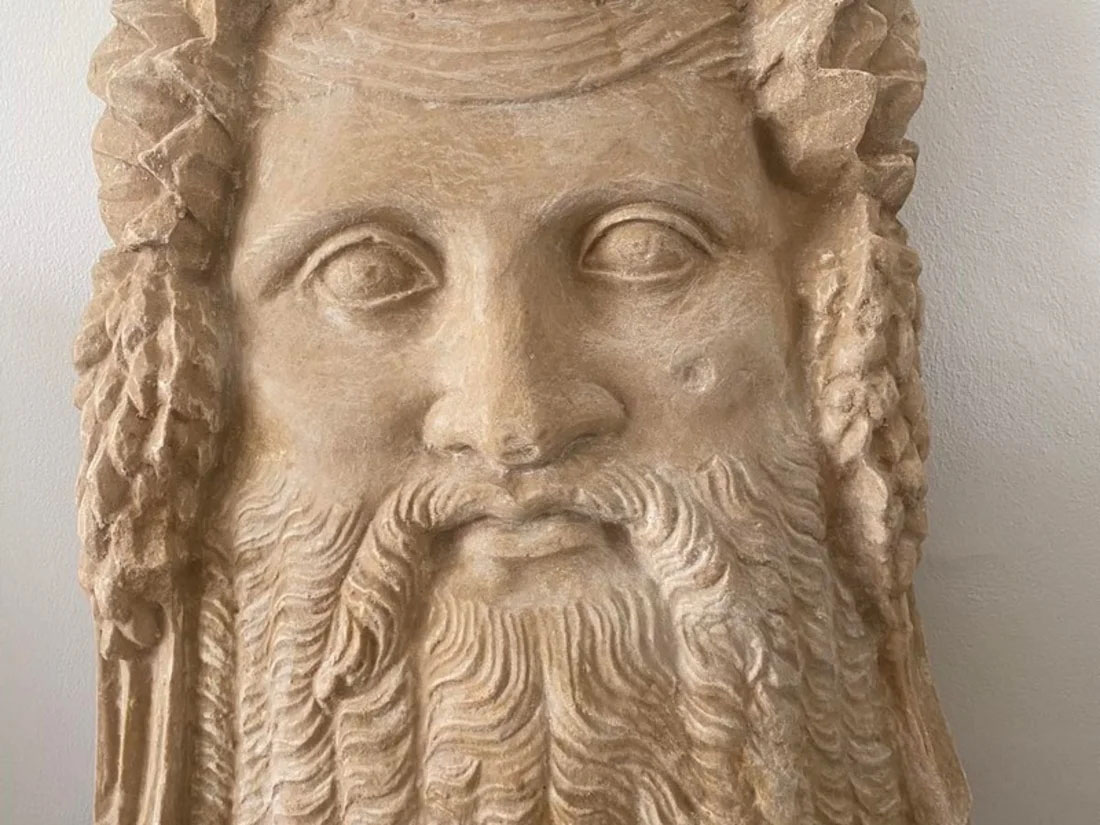
On the other side of the village is the ancient gold mine dated 600BC, with its mysterious dark galleries, where a 200BC carved limestone head of Bacchus Dionysus was discovered.
Inbound from Nicosia, the first church you see is Saint Paraskevi, built in 1728, with its inlaid ceiling.
Further back is the out-of-sight church of Panayia Galaktotrofousa and beneath it an even less-known place of worship, a catacomb lined with icons believed to have been used by the Catholics during Ottoman rule between 1571 and 1878.
Saint Eftychios, on the way to Sia, was a heap of stones on a knoll for years, with no testimony to the monastery that once housed the chapel. In 1571 the Turks killed the monks, destroyed the monastery and left the chapel in ruins. A Mathiatis resident found an icon of Saint Eftychios in the rubble and it is now kept at Apostle Varnavas church. It is believed to be around a thousand years old.
Mathiatis is home to quite a few other churches, some of which are considered to be miraculous, as well as ancient mills and aqueducts. The village is also frequented by cyclists, scouts and hikers.
RG
Working in Cyprus as a digital nomad
Digital nomads, people who work entirely online while living abroad, are becoming an increasingly visible presence in Cyprus’ cafes and co-working spaces.
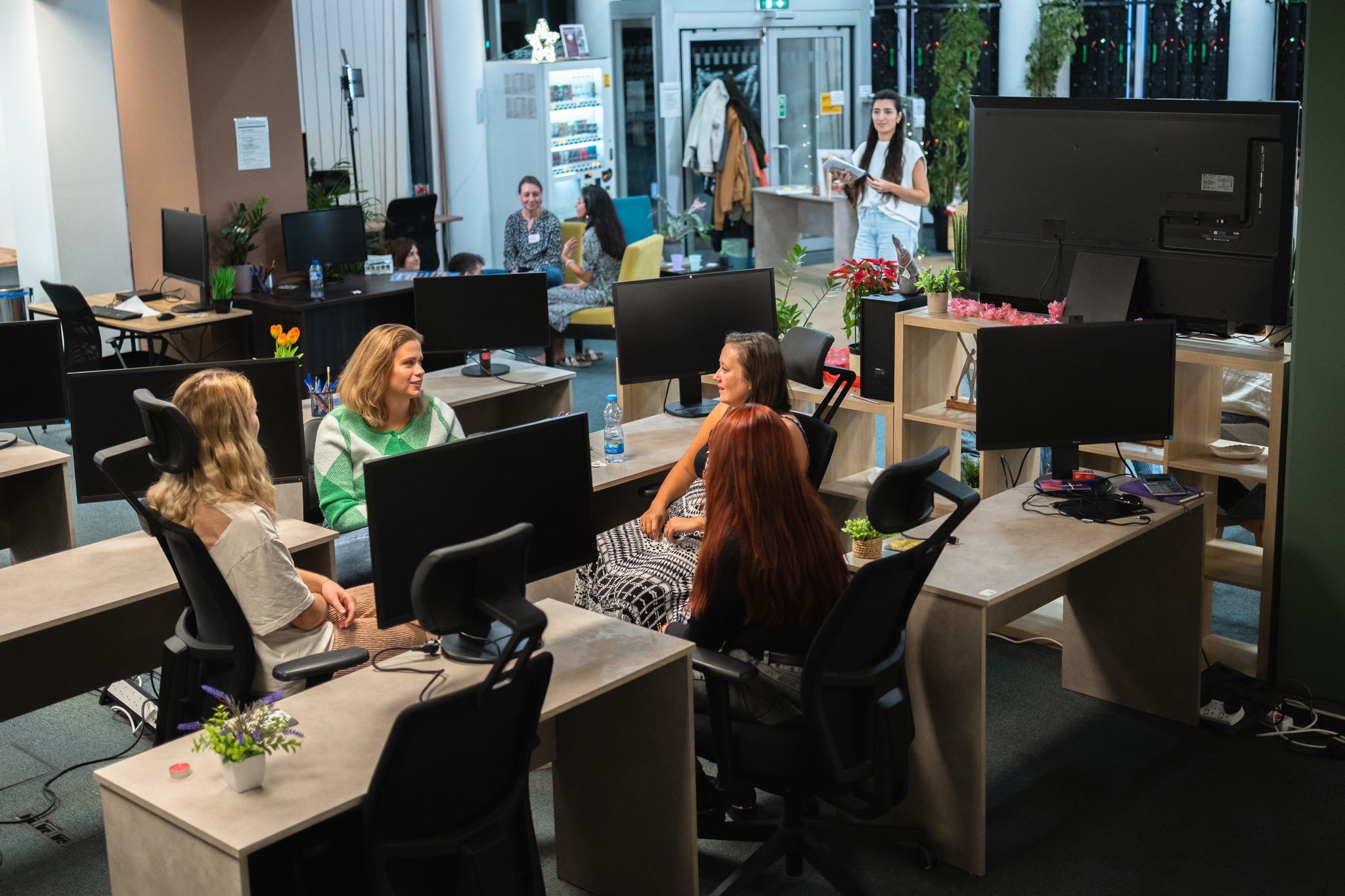
Employed primarily for international companies in sectors such as digital services, marketing and tech, they earn salaries tied to international rather than local markets.
This income difference often provides them with greater spending power than locals, enabling them to enjoy a higher standard of living and making destinations such as Cyprus particularly appealing.
Why is Cyprus such a popular destination for digital nomads?
Cyprus has plenty to offer to digital nomads. This includes a competitive company tax of 15 per cent, the relatively low cost of living and its status as a sunny European Union member state where EU citizens can enter without visas and a dedicated digital nomad visa for non-EU citizens make it an attractive location for remote workers.
And the island has begun adapting to this shift, the digital nomad visa is just one example of this.
Remote work has brought notable changes
The island’s coffee shop culture has evolved as an increased number of customers now bring their laptops to work and stay for several hours.
Many owners proceeded to install more sockets, faster internet and a setup that makes working at their coffee shop more convenient – ranging for increased lighting to wider tables et cetera.
In Paphos (Boka), Limassol (Soho, Hub), Larnaca (Ohouse, Native) and Nicosia (Yfantourgeio), some shops even operate exclusively as co-working spaces where one can purchase daily or monthly passes to reserve a workspace.
It’s as if a whole subculture has emerged in some of the shops: People know one another, sit in the same spot as other remote workers and the coffee shop staff know their preferred drink.
But not everyone welcomes the trend. Digital nomads have been widely criticised their contribution gentrification and rising housing prices, as their higher incomes can drive up costs.
Who qualifies as a digital nomad?
The term “digital nomad” itself is sometimes viewed critically as a polished label that, in practice, often refers to relatively affluent migrants working abroad.
Whatever the terminology, one factor remains essential to their lifestyle: digital quality of life, with Cyprus ranked 30th in Surfshark’s digital quality of life index in 2025.
The company evaluates 121 countries digital quality of life based on five key points including internet affordability and its quality, digital infrastructure, digital security and artificial intelligence.
Cyprus ranks best in regard to internet affordability, rank 19 and digital security, rank 25, but lags behind in terms of digital infrastructure, rank 40, and artificial intelligence, ranking 44th.
Internet speed in Cyprus has improved in the last years, with the main provider, the Cyprus Telecommunications Authority, offering increased fiber coverage providing faster internet speed and other companies including Cablenet and Epic close to follow.
In 2025, the median fixed broadband internet download speed in Europe as of June 2025, stood at 115 Mbps, placing it in the middle in the European comparison with France leading at download speed of 319Mbps and Bosnia Herzegovina at only 35 Mbps.
Overall, Cypriot cities already have a lot to offer for remote workers and could soon be able to compete with the Europe’s best cities for digital nomads, currently including Budapest, Hungary, Krakow, Poland and Valencia, Spain.
JP





Click here to change your cookie preferences