
By Michalis Kalopaidis
Does Cyprus aspire to stand confidently as a mature, developed and independent state that honours and promotes its culture?
If so, it needs a public university specialising in the arts and culture. Such an institution is not a luxury. It is a fundamental prerequisite for a serious cultural policy, a strong creative industry and a meaningful international presence.
A state university of arts and culture would be able to generate systematic research, innovation and reliable data to inform public policy on culture, education and the economy. At the same time, it would offer the public, specialised and high-quality education, ensuring that young people are not compelled to leave the country to study music, theatre, film, fine arts, design or digital arts. In this way, the overall cost of studies for families would be significantly reduced, the brain drain would be curtailed, and the foundations would be laid for a new generation of professionals who remain and work in Cyprus, strengthening every branch of the creative industry.
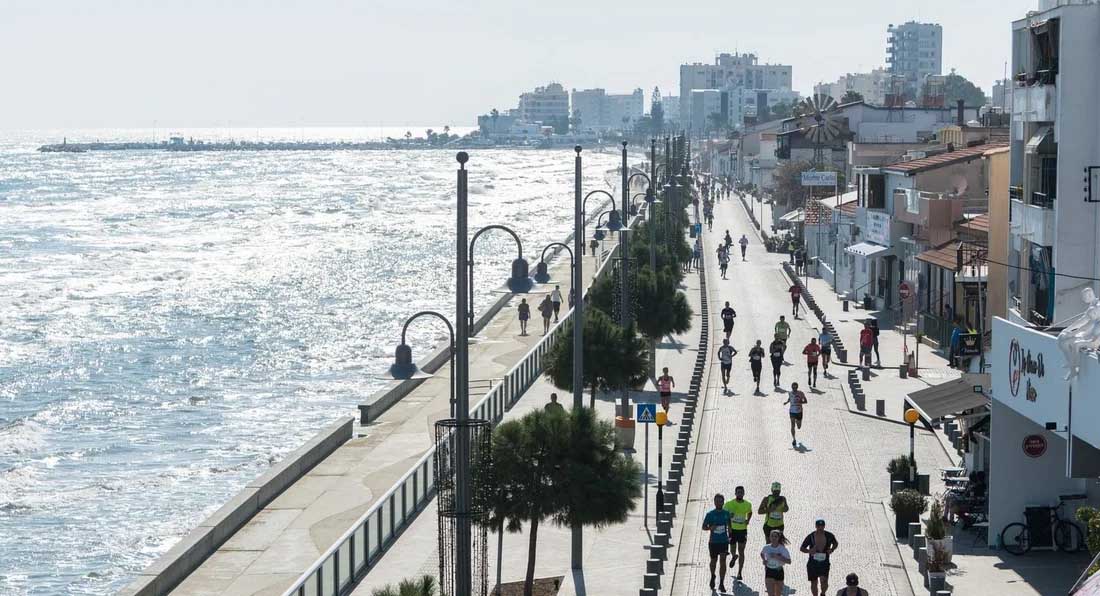
Larnaca is the natural and strategic location to host such a university. It is the only major city in Cyprus without a state tertiary education infrastructure, and in 2030 it will assume the role of European Capital of Culture, accompanied by significant investments in cultural related infrastructure.
These investments require a permanent academic structure to ensure their long-term sustainability: a university that will “produce” researchers, artists and cultural producers who will reinforce cultural organisations, which in turn will continue to utilise these infrastructures well beyond 2030.
In other words, the university would serve as the driving force for a more sustainable urban and cultural development.
At the same time, Larnaca can become a hub where artists, researchers, businesses and cultural organisations converge, generating synergies that enhance creativity, innovation and the application of modern technologies across the economy. By linking research with industry, the university could strengthen the presence of cultural and creative sectors, further internationalise Cyprus’ cultural output and attract European and international research funding. Systematic research and the digital documentation of Cyprus’ tangible and intangible cultural heritage as well as of our contemporary Cypriot culture, would safeguard our identity and make it more visible globally.
Meanwhile, two undergraduate music programmes at private universities have closed, leaving the field of music education even more exposed and highlighting the fragility of private initiative in the absence of a strong public pillar. At the same time, the Cyprus Theatre Organisation (Thoc) is planning the establishment of a drama school in Larnaca – an initiative that could be organically integrated into the structure of a state university of arts and culture, offering continuity, quality and long-term perspective.
Rather than pursuing isolated and fragmented initiatives, we can build a coherent ecosystem of education, creation and cultural production.
Establishing such a university in Larnaca is not merely a development project for one city. It is a strategic choice for the entire country: for a more diversified and resilient economy, for new jobs in modern professions, and for a society that invests in the production of ideas, knowledge and cultural self-confidence.
If we want Cyprus to look ahead into the future with more confidence, a state university of arts and culture in Larnaca is the bold step we need to make today.
Michalis Kalopaidis is the cultural policy coordinator of Volt Cyprus and parliamentary candidate for Larnaca




Click here to change your cookie preferences