
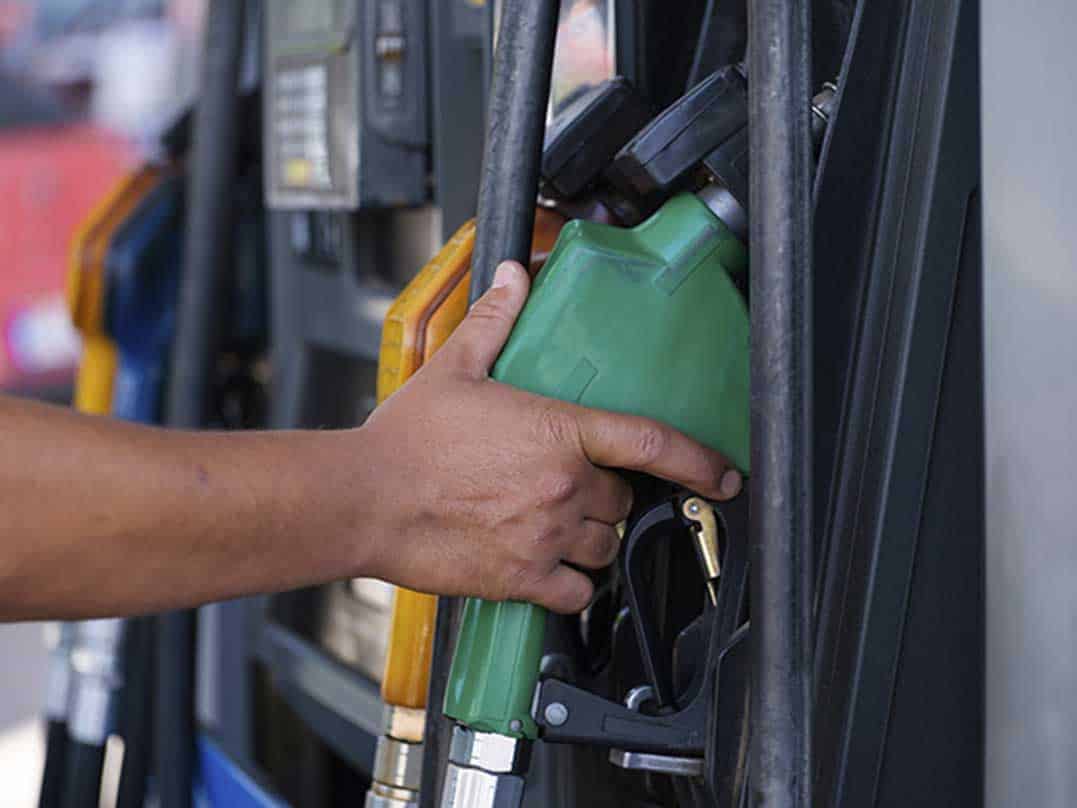
Fuel prices in Cyprus are expected to keep climbing in the coming weeks, petrol station owners’ association chairman Savvas Prokopiou said on Monday, after global crude prices surged to their highest since 2022 amid escalating conflict in the Middle East.
Speaking to the Cyprus News Agency (CNA), Prokopiou said crude prices had climbed sharply in recent days.
His comments came as oil prices surged on international markets, with Brent crude at one point touching $119.50 a barrel on Monday, as supply cuts and fears of prolonged disruption to shipping routes linked to the expanding US-Israeli war with Iran rattled international markets.
That increase, he said, is already beginning to feed through to the local market. A first rise of around two cents per litre was recorded last week, while further increases are expected to follow.
“I believe that this week there will be other increases, while for the next two to three weeks we expect gradual increases,” he said. According to Prokopiou, retail fuel prices in Cyprus usually adjust in stages when international oil prices rise, with the increases passing through to consumers gradually rather than all at once.
He said that it “remained difficult to predict the scale of the increases, given how quickly market conditions can shift during periods of geopolitical tension”.
Prokopiou said upward pressure on prices had initially emerged amid fears of conflict and intensified further after the weekend’s attacks on oil wells and storage tanks. Last Friday alone, he added, crude rose by around $10 a barrel in a single day.
Following the weekend’s attacks on oil wells and storage tanks, he said, crude prices recorded another sharp increase.
Asked whether the increases expected this week would be greater than those seen last week, Prokopiou said that, based on experience, they probably would.
At the same time, he noted that fuel importing companies, as well as the consumer protection service at the energy ministry, had a clearer picture of how the market was evolving.
Internationally, oil prices were driven higher by growing concern over supply shortages, with the Strait of Hormuz, through which roughly one-fifth of the world’s oil and liquefied natural gas normally passes, effectively shut, while damage to production, storage and refining infrastructure across the region added to market nerves.
Prokopiou said similar patterns had been seen in 2022, when the outbreak of war between Russia and Ukraine sent energy prices sharply higher.
He expressed hope, however, that tensions would ease soon and allow international energy markets to stabilise.





Click here to change your cookie preferences