
The education ministry has acknowledged shortcomings in the initial rollout of its new “Breakfast for All” programme after concerns were raised by parents over portion sizes and the use of plastic packaging in meals provided to preschool children.
The pilot scheme, which began on Tuesday in public preschools across the Larnaca and Famagusta districts, currently serves around 3,900 children and was a government initiative to “promote healthy eating from an early age”.
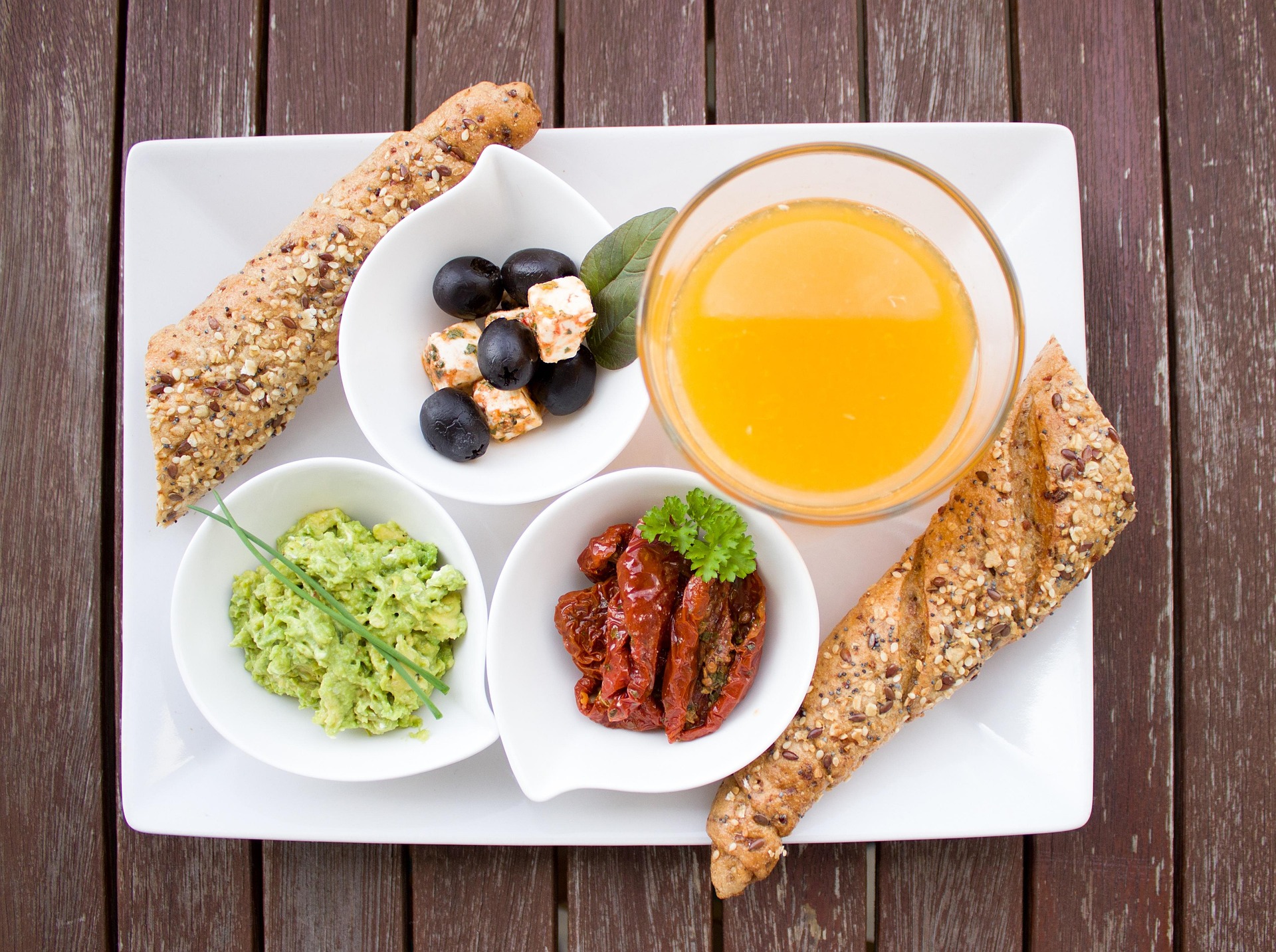
Photographs from the first days of implementation circulated among parents and on social media, showing breakfast portions that included fruit in individual plastic packaging alongside baked products and artificially sweetened milk.
The images prompted criticism from some parents regarding both the quantity of food provided and the volume of single use packaging involved.
Responding to the concerns, the education ministry confirmed that issues had been identified during the first phase of implementation and said feedback was already being evaluated.
According to ministry officials, representatives were present in participating schools during the opening days of the programme to monitor food preparation, transportation and children’s reactions to the meals.
The ministry said the menu had been prepared by a team of nutritionists and was designed to meet the nutritional needs of preschool children.
Breakfast options include both savoury and sweet muffins with fruit, served with milk (yalatakis).
Officials said the objective is to ensure that food provided to children is “high quality”, safe and suitable for their age group while encouraging healthy eating habits consistent with the Mediterranean diet.
The programme was announced by President Nikos Christodoulides in May as a €1.5 million initiative funded through private sponsorship.
Christodoulides added that the government’s goal is to expand the programme nationwide and eventually across all educational levels.
A meeting involving organised parents and other stakeholders was held earlier this week to review observations and assess possible adjustments.
The ministry also addressed criticism regarding the volume of plastic used in the packaging process.
The ministry said the contractor awarded the catering agreement operates under specific contractual obligations, including the collection and recycling of waste generated through the programme.
However, the ministry indicated that efforts would be made to examine ways of reducing plastic use while maintaining food safety requirements.
Food is prepared and transported by the contractor in temperature-controlled containers before distribution to schools.
Officials stressed that the current phase is intended to serve as a pilot programme, allowing authorities to identify operational issues before any wider rollout.
The pilot will continue in kindergartens in Larnaca and Famagusta during the next school year, with expansion to additional districts planned from next September.




Click here to change your cookie preferences