
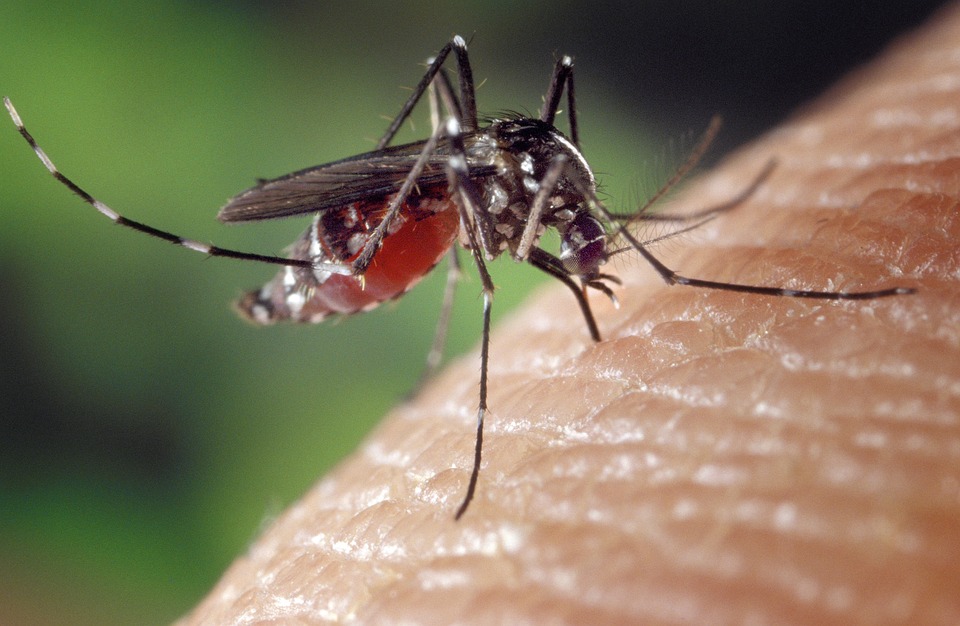
Mosquito-borne diseases, once seen as remote risks, are now a pressing public health issue in Europe, Health Minister Neophytos Charalambidessaid on Wednesday.
At a conference in Nicosia, he highlighted that climate change, environmental pressures, and increased global movement are altering the spread of these diseases.
Conditions like dengue, chikungunya, Zika, and West Nile virus are no longer just theoretical concerns but indicators of a changing climate that requires heightened vigilance.
The conference, part of Cyprus’ EU presidency, gathered experts and policymakers from across Europe.
Charalambides noted that mosquito-borne illnesses exemplify the health impacts of climate change, with rising temperatures and demographic shifts affecting disease-carrying mosquitoes.
He emphasised the need for a comprehensive public health approach, focusing on prevention, sustainability, and the One Health principle, which connects human, animal, and environmental health.
Cyprus is particularly vulnerable due to its location and climate.
The minister stressed the importance of preparedness before outbreaks, advocating for investments in surveillance, research, laboratory capacity and mosquito-control strategies.
He urged viewing mosquito-borne diseases as a strategic European challenge that impacts tourism, agriculture, infrastructure and social wellbeing.
Ole Heuer from the European Centre for Disease Prevention and Control warned that Europe faces a “new reality” in vector-borne disease epidemiology.
He noted that while the current situation is manageable, future outbreaks could be significant without early intervention.
He pointed out that geography is no longer a protective factor, with northern Europe now at risk and southern countries under increasing pressure.
He identified climate change, globalisation, and ecological shifts as key factors in the expansion of mosquito populations, with species like Aedes albopictus and Aedes aegypti already spreading across large parts of the EU.
Heuer also mentioned challenges such as limited biocides, rising insecticide resistance, and varying preparedness among member states.
Effective surveillance is crucial, as public health action relies on it.
He called for improved predictive modelling, enhanced mosquito-control expertise, and effective public communication to encourage community participation.
The conference will address epidemiology, surveillance, mosquito-control methods, preparedness, modelling, and communication strategies to bolster Europe’s response to emerging public health threats.




Click here to change your cookie preferences