
The government search for independent criminal investigators to examine the findings of the anti-corruption authority’s Mafia State report are continuing after several lawyers reportedly declined to take part, citing conflicts of interest.
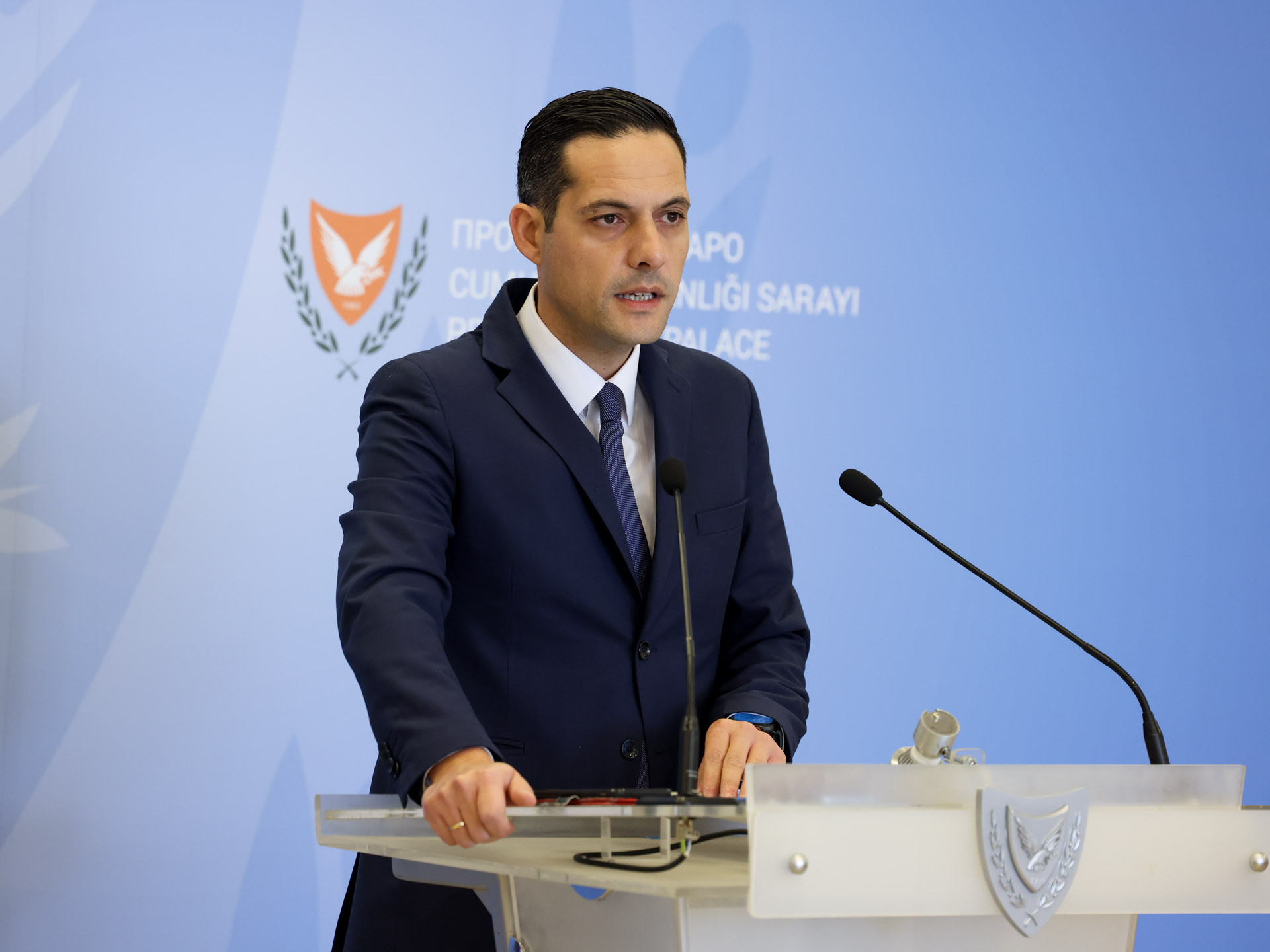
Government spokesman Konstantinos Letymbiotis confirmed on Friday that a number of individuals approached by President Nikos Christodoulides had refused the appointment after identifying potential conflicts of interest which would prevent them from participating in the investigation.
The president is now seeking to finalise a team of investigators for approval at the next cabinet meeting.
The government has ruled out appointing a single investigator, opting instead for a panel to assess the findings of the anti-corruption authority’s inquiry into allegations levied in Makarios Drousiotis’ book Mafia State.
Letymbiotis said the overriding criterion remains the appointment of people of “unquestionable prestige” who have no actual or perceived conflict of interest.
He said an initial shortlist had already been compiled through recommendations from cabinet ministers and the president, but some of those approached had themselves identified conflicts which made participation inappropriate.
The government is also awaiting responses from candidates outside Cyprus who have been invited to join the investigative team.
Letymbiotis said the process has taken longer because of the need to ensure complete independence.
He added that the terms of reference are being prepared by the cabinet secretariat using previous experience, while any legal guidance required will come from the prosecutorial council after both the attorney-general George Savvides and his deputy Savvas Angelides recused themselves from the case.
The investigation follows the publication of the authority’s report, which concluded that former president Nicos Anastasiades may face potential criminal liability for abuse of power.
The government has repeatedly said investigators will examine the authority’s findings independently before deciding whether further criminal proceedings should follow.
Meanwhile, criminologist Yiannis Ioannou questioned whether the current legal framework allows the case to progress effectively.
He argued that the anti-corruption authority can only assess the possibility that offences may have been committed rather than conduct a full criminal investigation.
He said this explains the report’s reliance on the “balance of probabilities” rather than definitive legal findings.
Ioannou called for urgent legislative changes to strengthen the authority’s investigative powers, arguing that the present framework risks undermining the process.
He described the case as “doomed to failure from the start” unless the House amends the relevant legislation to allow the authority to conduct full criminal investigations and reach conclusive findings.





Click here to change your cookie preferences