
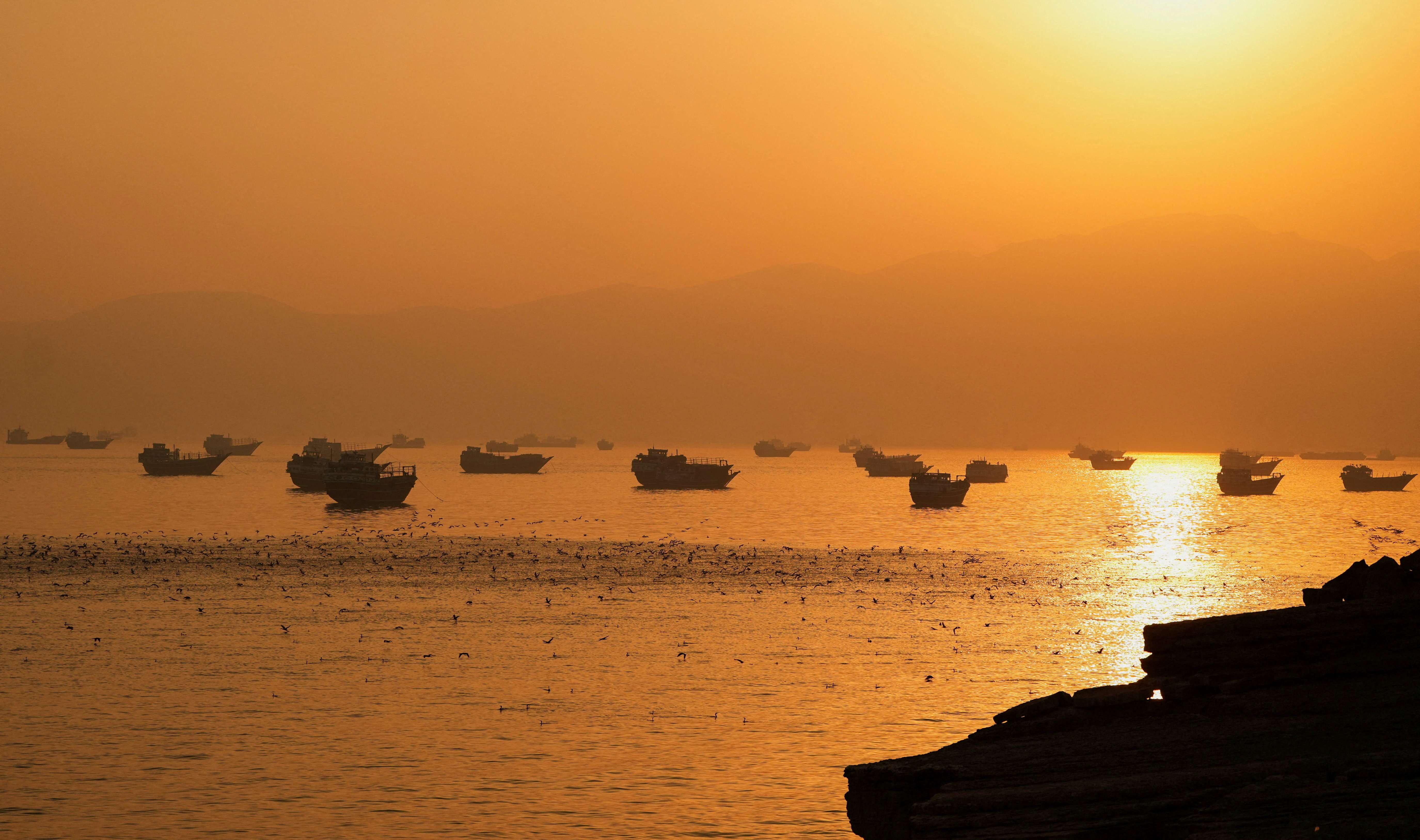
US President Donald Trump abandoned plans for a 20% fee on cargo passing through the Strait of Hormuz on Tuesday, replacing the proposed charge with trade and investment agreements involving Gulf states as Washington prepares to resume a naval blockade of Iranian ports.
Trump had announced the fee as part of efforts to cover the cost of US operations in protecting shipping through the strategic waterway, which has seen a sharp reduction in traffic following renewed strikes between the United States and Iran.
In a statement on his Truth Social platform, Trump said he had decided to replace the “20% United States Reimbursement Fee” with “Trade and Investment Deals” that Gulf states would make with the US.
“Those investments will be MASSIVE but, at the same time, extraordinarily good for them, and their future,” he wrote, without providing further details.
Trump later said the Strait of Hormuz was “open to ALL Ship traffic except for Iran”, adding that “oil is flowing like never before, thanks to the awesome Power of the United States Military”.
The US Central Command previously announced that a naval blockade on Iranian ports would come into effect from 20:00 GMT on Tuesday as Washington seeks to increase economic pressure on Tehran.
The developments follow a series of military exchanges between the two countries, with the US saying it had carried out further strikes aimed at reducing Iran’s ability to target shipping in the region. Iranian state media reported explosions in several cities, including Bushehr, where the country’s nuclear power plant is located.
Shipping data showed traffic through the Strait had fallen to its lowest level in two months, while oil prices increased amid concerns over disruption to one of the world’s most important energy routes.
The Strait of Hormuz previously carried around a quarter of global oil supplies and a fifth of liquefied natural gas shipments before tensions escalated after US and Israeli strikes against Iran on February 28.
Iran has accused Washington of interfering in its control of the waterway, while US officials have said the measures are aimed at protecting international shipping and limiting Tehran’s military capabilities.





Click here to change your cookie preferences