
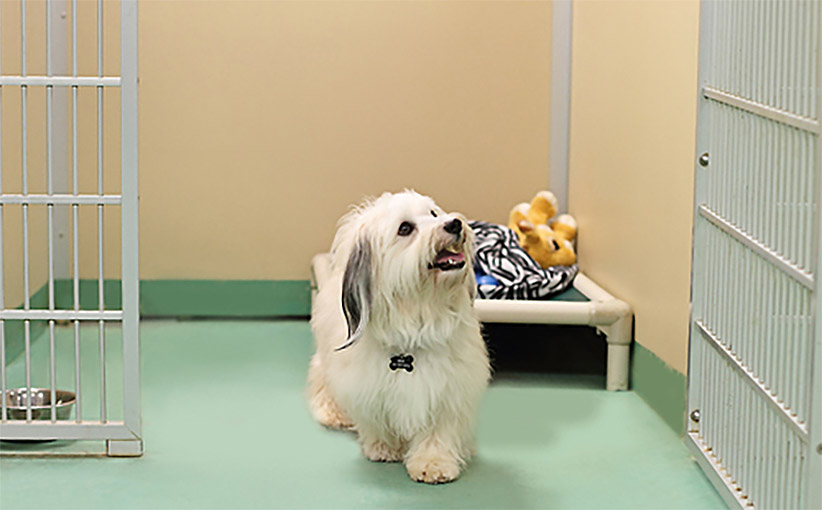
A report on the status of pet hotels in Cyprus is expected to be completed in early September, environment and animal welfare commissioner Elias Myrianthous said on Wednesday, as authorities seek a clearer picture of the sector before considering regulatory changes.
Myrianthous said his office’s report will primarily look at pet hotels that accommodate dogs, and will record the number of facilities operating in Cyprus, how many are licensed and how many are operating without a licence.
He said he discussed the issue on Tuesday with the veterinary officer seconded to the commissioner’s office, who is responsible for preparing the report.
According to Myrianthous, the aim is to create a comprehensive record of the sector that will allow the authorities to regulate the operation of animal boarding facilities more effectively.
He explained that the veterinary officer is currently working at the commissioner’s office only one day a week until September 1.
Once she begins working there full time, the report is expected to be completed within the first 10 days of September.
Asked whether his office had received complaints about poor treatment of animals at pet hotels, Myrianthous said that since taking office he had not received any such reports or complaints.
He added that one of the most pressing issues facing his office is the lack of animal shelters.
Myrianthous said the issue had already been raised during his first meetings with local authorities in Paphos, where discussions focused on plans to establish an animal shelter.
He added that conversations with the veterinary officer indicated that similar issues exist in other districts.
He said the greater Nicosia area is in a better position regarding animal shelters, but said better coordination between local authorities and government services is needed to move shelter construction and operation projects forward.
While stressing that he is still being briefed on a range of issues, Myrianthous said animal welfare is a broad field that has a direct impact on the quality of life of both people and animals.



Click here to change your cookie preferences